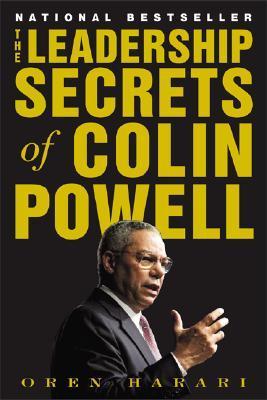
The Leadership Secrets of Colin Powell
Book Description
What does it take to lead with unyielding resolve in the face of chaos? "The Leadership Secrets of Colin Powell" unveils the timeless principles that propelled one of history's most influential military minds. From navigating high-stakes conflicts to fostering unity in discord, this gripping exploration reveals Powell’s strategies for empowerment, integrity, and decisive action. Each powerful insight uncovers the essence of true leadership, demonstrating how character can shine amidst the shadows of doubt. Prepare to be inspired—will you unlock the secrets to becoming the leader you’re meant to be?
Quick Book Summary
"The Leadership Secrets of Colin Powell" distills the core principles that guided General Colin Powell throughout his distinguished career in military, government, and public service. Oren Harari draws on Powell’s experiences to outline fundamental traits of effective leadership, including decisiveness, integrity, and the ability to build trust within teams. The book blends anecdotal accounts with actionable advice, illustrating how Powell handled pressure, navigated organizational challenges, and inspired others to achieve collective objectives. From crisis management to nurturing diverse perspectives, this book provides practical guidance not only for aspiring leaders, but for anyone facing high-stakes decisions. The narrative offers a unique blend of military discipline and compassionate, servant leadership, making it a valuable resource for readers seeking to lead with resilience, clarity, and character.


Summary of Key Ideas
Table of Contents
Leading with Integrity and Authenticity
From the outset, the book emphasizes Colin Powell's unwavering commitment to leadership rooted in integrity and authenticity. He believed that leaders must first establish a core of personal honesty and ethical standards, setting an example for others to follow. Powell argued that integrity creates the foundation for credibility, both in calm and contentious times. Throughout his tenure, he consistently demonstrated that upholding one's values is central to earning true respect from teams and stakeholders, especially in moments of uncertainty.
Empowering Others and Building Trust
Powell was a firm believer in empowering those around him. He understood that effective leadership is less about commanding and more about building trust and confidence within an organization. He advocated for open communication, honest feedback, and allowing individuals autonomy in their roles. By cultivating trust, leaders inspire others to take initiative, innovate, and harness their unique strengths for the good of the group. Powell's practice of seeking out diverse viewpoints before making decisions illustrates how engagement and inclusivity propel collective success.
Decisive Action in Chaos
Decisive action stands as a hallmark of Powell's leadership style. He recognized that leaders are often called to make tough choices with imperfect information and limited time. Powell’s signature “40-70 Rule” asserts that waiting for more than 70% of information wastes time, while acting on less than 40% invites failure. The book details how he approached high-stakes military and diplomatic situations with steady resolve, assessing options swiftly and standing by his decisions. This balance of boldness and prudent calculation galvanized teams to act cohesively during crises.
Effective Communication and Clarity
Effective communication threads through all of Powell’s leadership principles. He prioritized straightforward, honest dialogue, understanding that clarity eliminates confusion and empowers others to act decisively. Powell believed that a leader’s words and actions set the tone for an organization’s culture. By communicating goals and expectations transparently—while remaining approachable—leaders make themselves a steadying presence in times of turmoil. Genuine listening was also essential to Powell, fostering mutual respect between leaders and their teams.
Embracing Change and Learning from Failure
Finally, Powell’s career underscores the necessity of embracing change and treating failure as a catalyst for growth. He adapted readily to shifting circumstances, recognizing that inflexibility leads to stagnation. Powell openly discussed mistakes, both personal and organizational, using them as learning opportunities. This attitude created an environment where innovation was not just tolerated, but encouraged. Leaders, he insisted, must remain humble, learn continually, and be willing to adjust strategies in the pursuit of long-term objectives.
Download This Summary
Get a free PDF of this summary instantly — no email required.