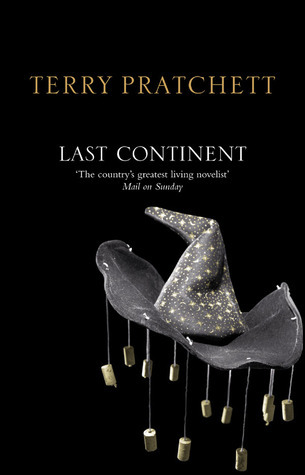
The Last Continent
Book Description
A continent is fading away, lost in the fabric of time, and the fate of Discworld hangs in the balance. Rincewind, the most inept wizard ever to wear a pointy hat, finds himself lost in a realm of kangaroos, overly optimistic university faculty, and the haunting echoes of an impending Armageddon. As the clock ticks and the very essence of existence threatens to unravel, loyalties are tested and friendships forged in the crucible of bizarre adventures. Can one hapless wizard uncover the secrets of the last continent before it disappears forever? What sacrifices will he make to save a world on the brink?
Quick Book Summary
"The Last Continent" is a satirical fantasy novel by Terry Pratchett that transports the hapless wizard Rincewind to a mysterious, fading land reminiscent of Australia. Tasked—albeit unwittingly—with restoring balance, Rincewind blunders through a series of misadventures involving time paradoxes, talking animals, and mythical creatures. Meanwhile, the wizards of Unseen University, who are responsible for much of Discworld’s magical chaos, find themselves on a bizarre journey entangled with fate and creation itself. Pratchett’s signature humor infuses every moment as deep themes of responsibility, destiny, and the quirks of reality are explored. Rincewind must piece together the secrets of the last continent before it fades into legend, facing both the ridiculous and the profound in his quest to save Discworld.


Summary of Key Ideas
Table of Contents
Ineptitude and Heroism: Rincewind’s Reluctant Journey
The novel opens with Rincewind, Discworld’s most accident-prone wizard, stranded on EcksEcksEcksEcks, a continent bearing a striking—and comic—resemblance to Australia. Here, everything from the animals to the landscape seems designed to kill or confound outsiders. As Rincewind struggles to survive, he becomes inadvertently entangled in cosmic events that threaten to unravel the fabric of reality. His journey is propelled less by courage and more by a desperate desire to run from trouble, yet the forces of destiny ensure his involvement.
Satirical Parody of Australia and Culture
Parallel to Rincewind’s misadventures, the faculty of Unseen University attempts to bring him home, inadvertently journeying themselves through time and space. Their own storyline delves into the nature of invention and the accidental origins of creation, as they discover and unwittingly shape the evolution of the last continent. The group’s dynamic satirizes academia and bureaucracy, with characters motivated by self-interest, confusion, and the constant pursuit of lunch.
Time and Causality: Playing with Destiny
The book revels in parodying Australian mythology and culture. Rincewind encounters an ensemble of exaggerated wildlife, meets godlike kangaroos, and faces slapstick versions of classic desert outback challenges. Pratchett uses this setting to lovingly lampoon the Australian spirit, highlighting the land’s peculiar dangers and the resilience of its people (or creatures). This backdrop provides ample space for riffs on language, custom, and the concept of heroism in a world where survival is a full-time occupation.
The Nature of Creation and Creation Myths
At the heart of the narrative is a wry examination of causality and myth. Pratchett explores time paradoxes, particularly with Rincewind’s involvement in events that already happened—or haven’t happened yet. The story pokes fun at the cliché of the chosen hero while probing the deeper question of how legends are born and worlds are made. Through whimsical storytelling, Pratchett challenges the reader to consider the instability of fate and the power of stories in shaping reality.
Magic, Chaos, and the Absurdity of Academia
Ultimately, "The Last Continent" is both a sharp satire and a love letter to storytelling. The chaos unleashed by magic and bumbling wizards becomes a metaphor for the unpredictability of creation itself. As Rincewind stumbles towards improbable solutions and the wizards blunder through cosmic responsibility, the tale celebrates the farcical elements of fantasy while delivering genuine insight into the making—and saving—of worlds.
Download This Summary
Get a free PDF of this summary instantly — no email required.