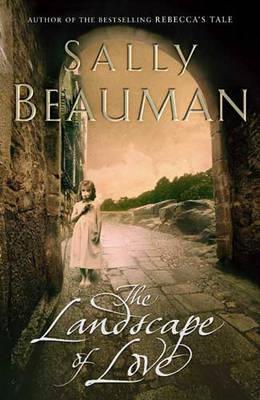
The Landscape of Love
Book Description
Amidst the breathtaking vistas of a windswept estate, secrets simmer beneath the surface of romance and ambition. In 'The Landscape of Love,' passion intertwines with betrayal as a talented artist grapples with a tumultuous relationship that forces her to confront her deepest fears and desires. As family ties unravel and alliances shift, the line between love and obsession blurs, leading to a heart-stopping climax that could cost everything. Can love conquer the shadows of the past, or will it tear them apart forever?
Quick Book Summary
"The Landscape of Love" by Sally Beauman is a historical, gothic tale set against a lush British estate, where hidden passions and family secrets seep through every corner. The story centers on the Mortland sisters—Julia, Finn, and Maisie—and their enigmatic friend Lucas, an artist whose arrival one summer transforms their lives. Love and jealousy spiral into obsession as Lucas paints a portrait that captures more than faces—it reveals fissures in relationships and unresolved traumas. Betrayal and tragedy ultimately unravel the familial bonds, and years later, a return to the estate stirs old shadows and unresolved questions. Through evocative prose, Beauman crafts a layered mystery of memory, love, and the destructive power of hidden truths.



Summary of Key Ideas
Table of Contents
Family Dynamics and Secrets
Set in the sweeping grandeur of the Mortland family estate, the novel introduces sisters Julia, Finn, and Maisie as their close-knit world is disrupted by the arrival of Lucas Fielding, a charismatic artist and family friend. Over one fateful summer in the late 1960s, Lucas decides to paint a group portrait, an act that becomes both a catalyst and symbol for underlying tensions among the sisters and their social circle. Julia, the eldest, is torn between duty and desire, while Finn yearns for independence and artistic validation. Maisie, the youngest and most innocent, serves as an often overlooked witness to the currents swirling around her.
Obsession, Art, and Identity
Beneath the sunlit picnics and bohemian gatherings, the Mortland estate becomes a gothic stage for secrets long kept in the shadows. Family expectations, unspoken resentments, and the weight of history press upon the characters. Lucas’s role as observer and creator upends established relationships, exposing the vulnerabilities and ambitions each member tries to hide. The delicate balance of the family begins to falter, as personal ambitions collide with the desire for love and acceptance.
The Power of Memory and Perspective
Obsession takes root, blurring the boundaries between love, creativity, and possession. Finn’s and Lucas’s artistic visions collide, and Julia’s feelings become entangled in jealousy and yearning. Lucas’s portrait sessions force the sisters to confront their identities and relationships with each other. Tensions mount, leading to betrayal and a shattering tragedy—an event that splinters the family and echoes through the years. Each sister comes to embody a different response to trauma: withdrawal, rebellion, or a longing for lost innocence.
Love, Betrayal, and Forgiveness
Years later, the narrative shifts focus as the characters—now adults—are drawn back to the estate, compelled to confront the failures and heartbreak of their youth. Beauman weaves their recollections with the uncertain clarity of memory, exploring how each has constructed their own story about what happened that crucial summer. Layers of truth and deception are slowly peeled back, shedding light on the personal and collective consequences of their choices.
Ultimately, "The Landscape of Love" meditates on the endurance and fragility of love amidst the destructive forces of secrecy and obsession. The beautifully atmospheric prose and complex characterizations reveal forgiveness as a hard-won possibility—though not for all. The boundary between love and obsession remains ambiguous, but the novel’s closing reflection suggests that even the darkest truths, when brought into the open, offer a chance for healing and redemption.
Download This Summary
Get a free PDF of this summary instantly — no email required.