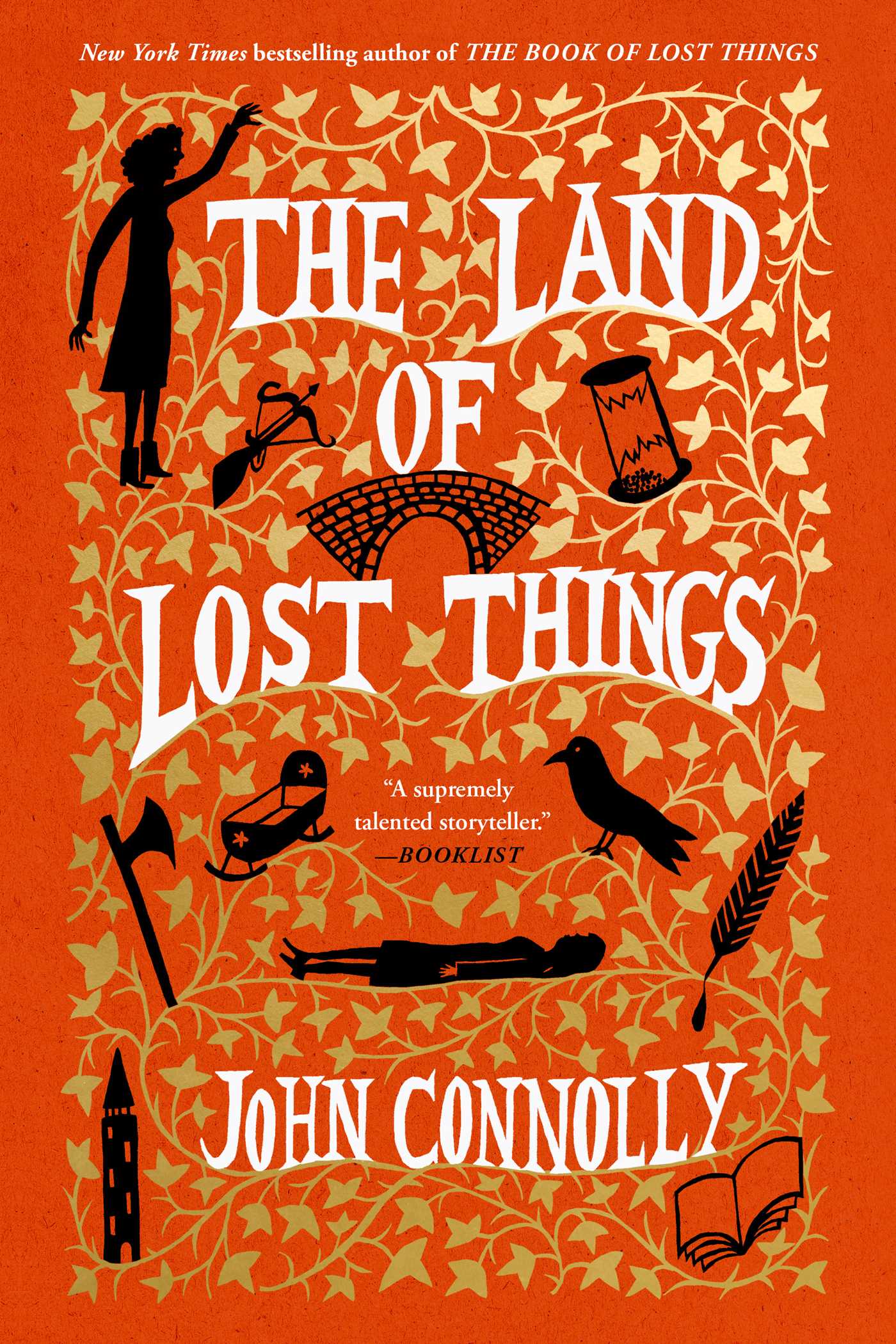
The Land of Lost Things
Book Description
In a world where forgotten dreams and lost memories shape reality, an unexpected hero embarks on a perilous journey through the enigmatic Land of Lost Things. Here, treasures of the heart twist into nightmarish foes, and friendships become the lifelines needed to navigate a realm teetering on the brink of darkness. With danger lurking at every turn and time slipping away, loyalty and courage will be tested. As truths unravel and desires collide, can they reclaim what was lost before it’s too late? What happens when the very essence of identity hangs in the balance?
Quick Book Summary
In "The Land of Lost Things," John Connolly crafts a haunting and enchanting tale where the line between memory and reality blurs. The protagonist, driven by love and grief, finds themselves transported to a shadowed realm formed by forgotten dreams and abandoned hopes. As they traverse this perilous world, they confront terrifying dangers drawn from their own subconscious fears, battling monsters molded by deepest regrets. Along the way, unexpected alliances form, and friendships provide strength and guidance. Underneath the peril lies a powerful meditation on identity, memory, and the sacrifices required to reclaim what matters most. The hero's journey is not just about physical survival, but about rediscovering the self through loss, courage, and the redemptive power of stories themselves.



Summary of Key Ideas
Table of Contents
Memory and Identity
The story unfolds with a protagonist—often an ordinary figure drawn into extraordinary circumstances—haunted by personal loss. Drawn by a quest to recover something (or someone) dear, they pass into the mysterious Land of Lost Things, a place conjured from all that humanity tries to forget. This realm is thick with forgotten dreams, misplaced memories, and regrets, each shaping the physical and metaphysical landscape. The protagonist must make sense of a shifting world where the rules of reality bend to the whims of loss and longing.
The Nature of Fear and Desire
As the hero journeys deeper, they encounter nightmares brought to life: bizarre creatures and landscapes twisted by sorrow and desire. These dangers are not merely physical threats, but manifestations of the protagonist’s innermost fears and regrets. The land itself challenges perceptions, distorting familiar childhood tales and memories into morbid versions of themselves. It is in facing these terrors that the protagonist’s true character is tested, forcing them to confront what they have denied or forgotten within.
Friendship and Sacrifice
Alliance and camaraderie become essential, as the hero meets other lost souls—each with their own burdens and lost things to recover. Through shared trials, friendships form, and the hero comes to realize that recovery is not a solitary pursuit; emotional bonds and acts of sacrifice provide the resilience needed to persist. The help provided and received becomes as significant as reclaiming lost objects, symbolizing the interdependence of human experience.
The Power of Stories
Central to the novel is the theme of storytelling and its transformative power. As the protagonist’s journey progresses, storytelling becomes a way to interpret the Land of Lost Things. Stories provide comfort, encode wisdom, and open portals back to forgotten selves. The protagonist’s fate intertwines with the stories they’ve heard, told, or suppressed—a meditation on how narratives shape both individuals and worlds. In a realm where words literally reshape reality, storytelling is the key to survival and redemption.
Redemption and Self-Discovery
By journey’s end, the protagonist understands that not all lost things can—or should—be reclaimed. The quest becomes one of acceptance, learning that to move forward, some memories and griefs must be left behind. Facing the choice between escape and transformation, the hero chooses self-understanding over denial. Emerging from the Land of Lost Things, they are forever changed—less burdened by loss, but enriched by the courage, loyalty, and hard-won wisdom gathered along the way.
Download This Summary
Get a free PDF of this summary instantly — no email required.