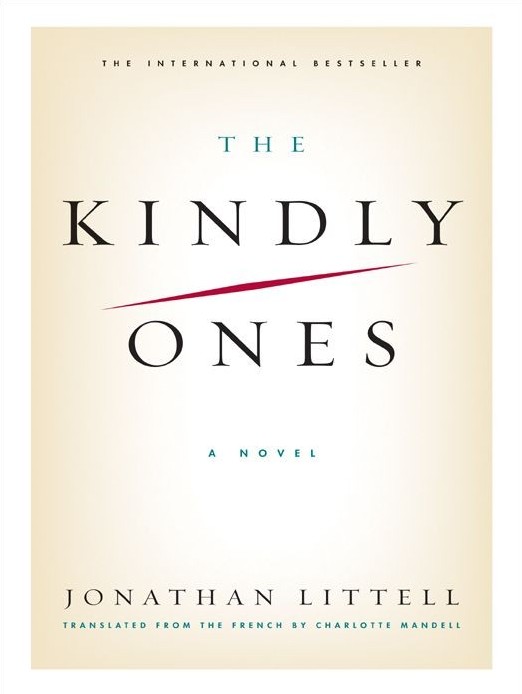
The Kindly Ones
Book Description
Beneath the chilling surface of World War II lurks a haunting tale of complicity and moral ambiguity. Max Aue, an ambitious SS officer, navigates the treacherous corridors of power, all while grappling with loyalty and guilt. As passions ignite and loyalties blur, the specter of violence looms large, and the line between humanity and monstrosity becomes dangerously thin. Each decision ripples through a world on the brink of devastation, bearing the weight of history itself. Can one man's struggle for redemption illuminate the darkest corners of the human soul?
Quick Book Summary
"The Kindly Ones" by Jonathan Littell is an immersive historical novel told from the perspective of Max Aue, a cultured and intellectual SS officer who becomes entangled in the machinery of the Nazi regime during World War II. As Aue ascends through the ranks, he is drawn into the violence and bureaucracy of the Holocaust, confronting complex feelings of loyalty, guilt, and self-preservation. The novel offers a harrowing descent into the psychology of evil, exposing the banality of atrocity and the moral ambiguity of its perpetrator. Intensely researched, the story exposes how ordinary individuals can become complicit in horrific acts, challenging readers to grapple with uncomfortable questions about responsibility, empathy, and the nature of humanity.




Summary of Key Ideas
Table of Contents
The Psychology of Evil and Complicity
Max Aue, the protagonist and narrator, is an intellectual German officer unnervingly at ease with the machinery of Nazi power. Through his clinical, often detached voice, the reader is thrust into the heart of the Third Reich’s operations, witnessing first-hand the transition from ideological rhetoric to the systematic murder of millions. Littell meticulously reconstructs the historical and psychological realities facing both the architects and executors of genocide, portraying Max as both participant and critical observer. Through his eyes, the novel asks how an individual, seemingly rational, can commit and rationalize acts of horror.
Moral Ambiguity and Self-Justification
The narrative is driven by Aue's struggle with his own moral compass. He justifies, compartmentalizes, and intellectualizes his actions, revealing the seductive power of ideology and self-preservation. His internal dialogue peels back the layers of personal guilt, suggesting that complicity is not only a result of allegiance but also of willful blindness and self-deception. Even as he navigates SS politics and executes logistical horrors, he continually questions his place in the moral universe, reflecting on philosophy, law, and human nature.
The Bureaucracy and Banality of Atrocity
Littell exposes the bureaucratic mechanisms that made the Holocaust possible. The novel delves into meetings, paperwork, and the cold calculus of resources, illustrating how the machinery of genocide operated through countless small, seemingly mundane decisions. Rather than depicting evil as the act of monsters, "The Kindly Ones" refracts it through the lens of daily routine and administrative order, making Aue’s journey unnervingly ordinary in its progression from thought to atrocity. This focus on bureaucratic procedure intensifies the horror, emphasizing the banality of evil.
The Fracturing of Identity and Trauma
At its core, the book is an exploration of fractured identity and the enduring scars of trauma. Aue’s personal relationships are fraught; his family history, sexuality, and memories of violence all contribute to a sense of alienation and psychological splintering. The narrative interweaves scenes of brutality with moments of introspection and vulnerability, highlighting how trauma distorts memory, relationships, and self-understanding. Littell’s portrayal of Aue illustrates how involvement in atrocity leaves permanent marks on the perpetrator’s psyche.
Historical Memory and the Weight of Responsibility
Ultimately, "The Kindly Ones" compels readers to confront the burden of historical memory and responsibility. Littell does not offer easy answers or redemption for Aue, instead inviting contemplation on the capacity for evil within ordinary individuals. Through its harrowing portrait of complicity and remembrance, the novel asks how we might confront and remember collective horror—with honesty, discomfort, and a commitment to resist dehumanization in all its forms.
Download This Summary
Get a free PDF of this summary instantly — no email required.