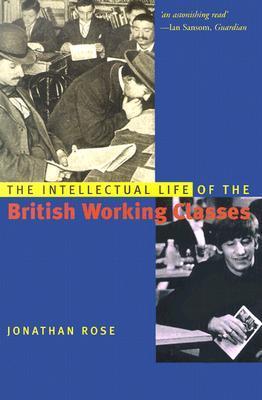
The Intellectual Life of the British Working Classes
Book Description
Amid the shadows of industrial landscapes, a vibrant world of ideas thrived among the British working classes. Jonathan Rose unveils a hidden narrative of intellect, resilience, and social change, revealing how the marginalized transformed literature, philosophy, and politics into tools for empowerment. This gripping exploration sweeps through time, showcasing self-taught scholars and impassioned thinkers who defied their circumstances. From the dusty corners of reading rooms to spirited debates in local pubs, their voices resonate with urgency and purpose. How did their quest for knowledge challenge the status quo and ignite a revolution that still echoes today?
Quick Book Summary
"The Intellectual Life of the British Working Classes" by Jonathan Rose is a revelatory examination of how ordinary Britons, often amid grinding poverty and long work hours, passionately pursued knowledge and culture from the 18th through the 20th centuries. Drawing on memoirs, diaries, and autobiographies, Rose traces the self-education efforts of workers who embraced literature, philosophy, and political theory as means of personal and collective empowerment. Rose demonstrates how reading and discussion allowed the working class not just to engage with high culture but to challenge social hierarchies, influence reform movements, and shape modern British society. The book stands as a testament to the resilience and creativity of those who, despite institutional barriers, forged vibrant intellectual communities and helped democratize learning.


Summary of Key Ideas
Table of Contents
Self-Education and the Pursuit of Knowledge
Jonathan Rose reveals that the British working classes were not passive recipients of culture but active seekers and interpreters of knowledge. Through lending libraries, mechanics’ institutes, and self-improvement societies, workers found opportunities to educate themselves outside formal institutions. They tackled classics and contemporary works alike, illustrating a deep hunger for intellectual growth as a means of transcending their circumstances. This grassroots tradition of autodidacticism was not only a personal quest for enlightenment but also a form of social mobility and resistance.
Literature as Empowerment and Community
Reading was never a solitary endeavor for the working classes. Book clubs, local discussion groups, and communal readings were widespread, fostering a culture of engagement and debate. Workers used literature as a communal bond, connecting with one another through shared discovery. Shakespeare, Dickens, and even political pamphlets became tools for articulating personal identity and group cohesion. This literary culture was pivotal in forging a sense of belonging and intellectual fellowship against the isolating backdrops of factory labor and urban poverty.
Challenging Social and Cultural Hierarchies
Rose highlights how working-class intellectual efforts directly challenged prevailing class distinctions and the exclusivity of high culture. By appropriating literature and philosophy once reserved for the elite, workers contested notions of innate superiority and justified claims for social equality. Through discussion, critique, and reinterpretation, they redefined what cultural participation meant, blurring the boundaries between classes and laying groundwork for social change and educational reform.
Working-Class Intellectuals in Political Movements
The book also underscores the vital link between intellectual culture and political activism. Many working-class thinkers became central figures in labor organizing, suffrage movements, and socialist politics. Their reading and debate shaped radical ideologies and strengthened calls for representation and justice. Rose traces how this intellectual environment fostered not only individual ambition but also collective agency—turning private reading habits into forces for public transformation and social progress.
The Changing Landscape of Learning and Culture
Yet, Rose documents the pressures and transformations facing working-class intellectual life over time. The spread of mass culture, expanding public education, and eventually, the rise of television and consumerism altered the landscape of self-education and eroded some communal traditions. While increased access brought new opportunities, it also posed challenges as traditional forms of learning lost ground. Still, Rose's work testifies to an enduring spirit of curiosity and resilience that helped democratize British culture and left a lasting legacy.
Download This Summary
Get a free PDF of this summary instantly — no email required.