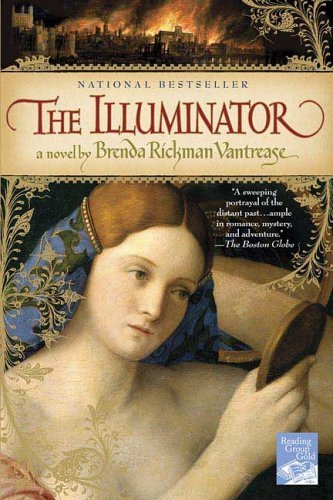
The Illuminator
Book Description
A hidden manuscript holds the key to a perilous secret in a world where knowledge equates to power. As an illuminating artist battles against the tyranny of an oppressive regime, alliances are forged and betrayals tucked in the shadows. Every stroke of her brush unveils not just beauty but danger, as danger lurks around every corner and trust becomes a luxury few can afford. Courageous hearts collide as love threatens to distract from their quest for truth. Will they risk everything to protect what they treasure most, or will the light of hope be extinguished forever?
Quick Book Summary
Set in fourteenth-century England, "The Illuminator" by Brenda Rickman Vantrease tells the story of Kathryn, a widow struggling to manage her estate and protect her family during a time of social upheaval and religious strife. When she takes in Finn, a talented illuminator working on a secret manuscript that could challenge the powerful church, both are drawn into a dangerous world of intrigue and rebellion. Against a backdrop of tension between the ruling elite, the church, and the growing voices for reform, Kathryn and Finn must navigate threats from without and within, questioning their loyalties and the lines between faith, love, and survival. Their courage and connection drive them to face perilous choices, ultimately fighting to preserve hope, justice, and knowledge in an unforgiving era.

Summary of Key Ideas
Table of Contents
The Pursuit and Suppression of Knowledge
England in the 1300s is rife with tension — a country reeling from economic hardship, the rigid grip of the church, and rising calls for reform. Kathryn, a recently widowed woman left to manage her estate and care for her daughters, faces not only personal grief but the constant threat posed by land-hungry neighbors and unyielding priests. Her precarious position makes her wary of trust, and her resilience is continually tested by the constraints imposed on women of her era.
Faith, Art, and Rebellion
Kathryn’s world changes when she employs Finn, a master artist and illuminator. He is secretive, for his work carries not only beauty but dangerous ideas: the creation of an English translation of the Bible intended to spread knowledge beyond the reach of the church’s authorities. Finn’s mission is part of a larger movement questioning accepted doctrine and advocating for accessible truth. Kathryn becomes increasingly embroiled in Finn’s mission, risking her safety for a cause greater than herself.
Societal Roles and Personal Autonomy
The book explores the power relationships that define medieval society—between the church and commoners, lords and peasants, men and women. Finn and Kathryn’s alliance challenges traditional gender roles and the structures that circumscribe their lives. Through Finn’s artistic creation and Kathryn’s administrative acumen, they each find agency, leveraging their talents in defiance of authority. Their defiance brings both hope for justice and the peril of reprisal, as those in power seek to crush dissent and maintain control.
Love and Loyalty Amidst Betrayal
In the midst of intrigue and secrecy, betrayal lurks near. Allies and friends prove unreliable as the stakes rise, forcing Kathryn and Finn to question who they can trust. Their growing affection offers solace but also vulnerability; both must weigh personal happiness against their moral convictions and the demands of survival. The romance weaves a human thread through the broader social and religious conflicts, illustrating the personal costs of courage and the risks inherent in loving amid treachery.
The Struggle for Justice and Hope
As persecution intensifies, Kathryn and Finn must determine what is truly worth protecting — their lives, their loved ones, or the transformative power of knowledge. Their choices reflect the broader longing for justice simmering in English society. Through sacrifice and resilience, they spark hope that enlightenment can survive oppression. The novel closes with a sense of hard-earned triumph and lingering uncertainty, encapsulating the enduring struggle between darkness and illumination.
Download This Summary
Get a free PDF of this summary instantly — no email required.