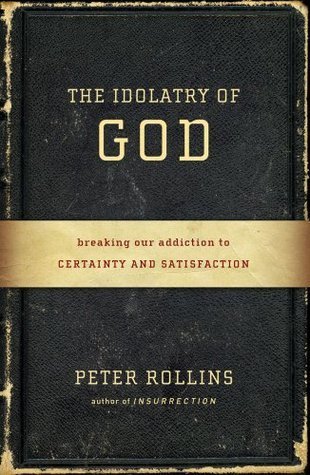
The Idolatry of God
Book Description
What if the very thing we worship blinds us to the profound truth of existence? In "The Idolatry of God," Peter Rollins boldly dismantles the illusions that entrap faith and spirituality, revealing the hidden dangers of idolatry lurking within our beliefs. With razor-sharp insights and provocative reflections, he confronts the sacred cows of religion, challenging readers to confront their deepest fears and desires. This transformative exploration ignites a fierce dialogue on authenticity, belief, and the essence of the divine. What happens when faith demands that we let go of our most cherished idols?
Quick Book Summary
"The Idolatry of God" by Peter Rollins is a theological exploration into how traditional religion may actually hinder authentic faith. Rollins challenges conventional understandings of God by suggesting that many believers turn God into an idol—a cure-all or security blanket that keeps them from confronting the complexities of existence. By exposing the ways in which people use faith to avoid anxiety and uncertainty, Rollins invites readers to move beyond the pursuit of certainty and fulfillment, and instead embrace doubt, lack, and the unknown. Through thought experiments, philosophical engagement, and personal anecdotes, Rollins proposes a more radical, transformative faith—one that is honest about suffering and accepts the absence at the heart of the spiritual search.




Summary of Key Ideas
Table of Contents
The Idolatrous Nature of Certainty
Rollins begins by critiquing the traditional image of God as a supernatural being who fulfills our deepest desires and offers security. He argues that many forms of religion unintentionally transform God into an object—an idol—that promises certainty and satisfaction in life. This idolatry, Rollins claims, distracts believers from grappling with the real anxieties, doubts, and uncertainties central to the human condition. Religion, in this view, can function as a psychological defense mechanism, shielding us from reality rather than illuminating it.
Faith Beyond Satisfaction and Security
Next, the book explores how certainty and satisfaction promised by religious belief often function as substitutes for authentic spiritual growth. Rollins asserts that authentic faith is not about having answers or feeling complete, but about honestly facing the lack, brokenness, and limitations inherent in human existence. He suggests that faith which seeks to eliminate doubt and discomfort ultimately misses the deeper transformative possibilities offered by Christianity.
Embracing Doubt and Unknowing
Rollins delves into the importance of embracing doubt, uncertainty, and a sense of absence within spiritual life. He posits that the path towards genuine faith involves letting go of the need for perfection and completeness. Instead, he encourages readers to accept that the absence or silence of God creates space for authentic engagement, compassion, and solidarity with others. This move away from idolatry opens the door to a more vulnerable, honest relationship with both the divine and our fellow humans.
Confronting Anxiety and Lack
A central theme is confronting rather than escaping anxiety and lack. Rollins argues that true transformation comes not from escaping life’s difficulties, but from embracing them courageously. By facing our fears and acknowledging our deepest needs without retreating into comforting illusions, we become more open to experiencing grace, love, and community. This radical honesty liberates us from the tyranny of needing success, certainty, or fulfillment from our faith.
Radical Transformation Through Love
In conclusion, Rollins advocates for a form of Christianity that is stripped of its idols—those promises of certainty, satisfaction, and completeness. He suggests that true faith is not about replacing one idol with another, but about learning to live meaningfully with our lack, doubts, and vulnerabilities. Through this process, people can discover a deeper solidarity with others and a more profound experience of love that transcends the limitations of religious idolatry.
Download This Summary
Get a free PDF of this summary instantly — no email required.