
The House of Rothschild, Vol 1: Money's Prophets, 1798-1848
Book Description
In a world teetering on the brink of revolution, one family rises to unimaginable power and wealth. "The House of Rothschild, Vol 1: Money's Prophets, 1798-1848" unveils the thrilling saga of the Rothschild banking dynasty, revealing how they played puppet masters amid Europe’s tumultuous upheavals. With eyes on empire, they navigate treachery, ambition, and unprecedented opportunities, shaping not just their destiny, but the fate of nations. A relentless pursuit of dominance and influence unfolds, leaving a lasting legacy. As fortunes shift and alliances fracture, can money truly buy loyalty, or will it be their undoing?
Quick Book Summary
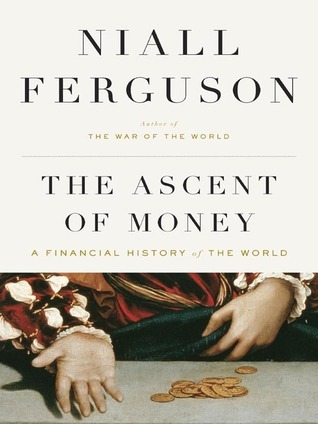
"The House of Rothschild, Vol 1: Money's Prophets, 1798-1848" by Niall Ferguson chronicles the meteoric rise of the Rothschild banking dynasty during one of Europe's most tumultuous eras. Through shrewd financial acumen, secretive family strategies, and an expansive network of kin across the continent, the Rothschilds become indispensable power brokers. They finance wars, stabilize governments, and shape Europe’s economic landscape, exercising influence behind the scenes while navigating the risks and prejudices of the age. Ferguson carefully unveils not only the mechanics of their banking innovations, but also their human ambitions and anxieties. The book crafts an intricate portrait of a family whose legacy is inextricably bound to the fate of nations and the evolving systems of European finance and politics.



Summary of Key Ideas
Table of Contents
Networks and Family Strategy
Ferguson opens by situating the Rothschild family in the ghetto of Frankfurt, where Mayer Amschel Rothschild lays the groundwork for a financial empire amidst the upheavals of the late 18th century. The patriarch’s principal innovation is to use his five sons as trusted agents, positioning them strategically in Europe's financial capitals: Frankfurt, London, Paris, Vienna, and Naples. This network enables swift, confidential communication and coordination, allowing the Rothschilds to operate transnationally, bypassing many of the limitations and risks faced by other bankers. Their Jewish heritage presents both obstacles in a prejudiced society and a resilient communal bond vital to their cohesion.
Financing Wars and Shaping Nations
The Rothschilds' fortunes ascend rapidly as they become vital to European monarchs and governments seeking war finance. Their capacity to move capital across frontiers, particularly during the Napoleonic Wars, earns them both profit and unique influence. Notably, their financing of Wellington’s campaigns and the postwar reconstruction cements their reputation as indispensable allies to ruling powers. The family's willingness to finance both sides and to maintain strict neutrality, combined with logistical ingenuity, secures their position above the usual fray of politics and commerce.
Innovation in Banking and Finance
Integral to their rise is a relentless pursuit of financial innovation. The Rothschilds expand the role of the bond market, popularize new debt instruments, and streamline cross-border payments. They harness advances in postal and courier systems to ensure intelligence arrives faster than for rivals, making informed, timely decisions and capitalizing on market trends. Their risk management—diversifying investments, cultivating exclusive sources, and persisting with family governance—renders them nearly impervious to the financial shocks that sink competitors.
Political Influence and Secrecy
Yet their extraordinary clout is matched by secrecy and suspicion. Resentment of their perceived power, antimoneylending prejudice, and rampant antisemitic conspiracy theories swirl around the family. Ferguson reveals how the Rothschilds navigated political minefields, exercising behind-the-scenes influence with monarchs, politicians, and diplomats, all the while carefully managing their public image and remaining steadfastly discrete about the extent of their control.
Legacy and Controversy
The first volume closes by assessing the legacy forged during these five decades. The intricate Rothschild network, financial innovations, and strategic political alliances leave an indelible mark on international finance and diplomacy. However, the concentration of power also seeds controversy and persistent myths. Ferguson’s account captures not only the practical methods and risks but also the human dramas that defined the Rothschild ascent, offering a nuanced portrait of ambition, ingenuity, and the complexities of wielding influence on an unprecedented scale.
Download This Summary
Get a free PDF of this summary instantly — no email required.