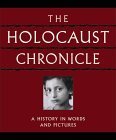
The Holocaust Chronicle: A History in Words and Pictures
Book Description
A journey through darkness, 'The Holocaust Chronicle: A History in Words and Pictures' unveils the harrowing truth of humanity’s most devastating chapter. Striking images and poignant narratives intertwine to bring the experiences of countless lives to the forefront, each page echoing with loss, resilience, and the unbreakable human spirit. Witness the relentless pursuit of hope amidst overwhelming despair as voices long silenced rise to tell their stories. This powerful chronicle does more than educate; it compels reflection on the very essence of humanity. How can we ensure that such horrors are never repeated?
Quick Book Summary
The Holocaust Chronicle: A History in Words and Pictures, authored by Marilyn J. Harran, offers a comprehensive and unflinching portrayal of the Holocaust, meticulously chronicling events from the rise of Nazi ideology to the lingering aftermath on survivors and the world. Through evocative photographs and firsthand accounts, the book traces the systematic persecution and annihilation of millions of Jews and other marginalized groups. It balances the wide-scale horrors perpetrated by the Nazi regime with personal stories of suffering, resilience, and, at times, heroic resistance. Harran’s compilation urges readers not just to bear witness, but also to reflect on the deeply human consequences of prejudice and violence. This chronicle is both an educational record and a memorial, reminding future generations of the urgent need to confront hatred and uphold human dignity.



Summary of Key Ideas
Table of Contents
Roots and Rise of Nazi Antisemitism
The Holocaust Chronicle opens by exploring the social and political currents in early twentieth-century Europe that set the stage for the Holocaust. Deep-seated antisemitism, economic strife, and the aftermath of World War I laid fertile ground for Adolf Hitler’s ideology. The book documents how fear, propaganda, and incremental restrictions on Jewish rights led to the normalization of discrimination, steadily escalating from marginalization to outright violence during Kristallnacht and subsequent Nazi policies. Readers are confronted with the chilling bureaucratic efficiency that turned hate into a state-controlled program of annihilation.
Mechanisms of Genocide and Dehumanization
With careful attention to detail and an array of photographs, the narrative examines the systematic execution of the Holocaust—most notably through the establishment of ghettos, concentration camps, and death camps. The Chronicle explains how Nazi Germany orchestrated the genocide: from forced deportations and the logistics of rail transport to the creation of industrial-scale killing centers like Auschwitz. Testimonies and images reveal the brutal conditions suffered by Jews, Roma, and other targeted groups, underscoring the dehumanization that was both official policy and daily reality for victims.
Daily Life and Survival in the Ghettos and Camps
Amid the pervasive horror, the book does not neglect stories of resilience, ingenuity, and moral resistance. It highlights not only the monumental suffering but also individual and collective efforts to survive, resist, and retain dignity. There are accounts of uprisings in camps such as Sobibor and acts of everyday courage within the ghettos. The Chronicle honors those who risked their own lives to rescue others—such as the Righteous Among the Nations—and contemplates the complexity and cost of moral choices in times of nearly overwhelming evil.
Resistance, Rescue, and Acts of Courage
The work moves beyond the liberation of the camps to consider the immediate aftermath for survivors. Many faced daunting challenges: reclaiming their identities, locating family members, and rebuilding lives in the shadow of trauma. The book addresses the Nuremberg Trials and the evolving understanding of crimes against humanity, tracing how the world reckoned with guilt, complicity, and the need for remembrance.
Legacy, Memory, and the Moral Imperative
Concluding with reflections on memory, education, and the imperative of bearing witness, The Holocaust Chronicle urges readers to confront the reality of the Holocaust and its warning for humanity. The book emphasizes the ongoing responsibility to remember victims, combat denial, and foster a world in which such atrocities are never repeated. It is both a chronicle and a call to conscience, preserving history to prevent future horrors.
Download This Summary
Get a free PDF of this summary instantly — no email required.