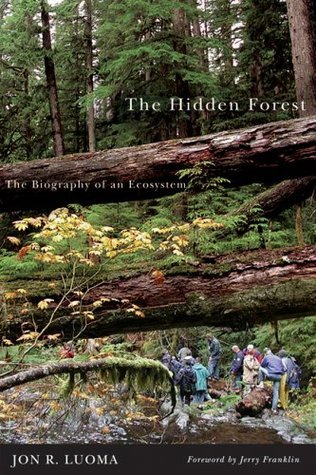
The Hidden Forest: The Biography of an Ecosystem
Book Description
Deep within the verdant embrace of a hidden forest lies a world brimming with life, conflict, and intricate relationships that pulse with a vibrant heartbeat. This is not just a place of beauty; it's an ecosystem where trees communicate, fungi forge alliances, and creatures fight for survival against the relentless march of change. Jon R. Luoma unveils the secrets of this enchanting realm, exposing the delicate balance that sustains it and the perils it faces from human intervention. Can the intricate web of life hold fast against the encroaching shadows, or will it unravel before our eyes?
Quick Book Summary
"The Hidden Forest: The Biography of an Ecosystem" by Jon R. Luoma delves into the vibrant, interconnected world of a temperate forest ecosystem. Through rich storytelling and scientific insight, Luoma unveils the underlying systems that sustain the forest: from the communication between trees through root and fungal networks to the complex relationships among plants, fungi, animals, and microbes. The narrative emphasizes the subtle balance that allows this natural community to persist, thrive, and adapt to challenges. Luoma powerfully illustrates the threats that human intrusion—such as deforestation and pollution—pose to this equilibrium. Ultimately, the book serves as both a window into the marvels of ecosystem ecology and a cautionary tale about the fragility of natural systems in the modern age.


Summary of Key Ideas
Table of Contents
Symbiotic Connections and Communication
Within the lush expanse of the forest, life is interwoven in a tapestry of symbiotic connections. Trees are not isolated entities; they share resources and information through underground root systems and mycorrhizal networks formed with fungi. This hidden communication facilitates mutual support—older trees nurture saplings, and fungi extract sugars in exchange for vital minerals. The web of relationships extends to insects, birds, and mammals, each contributing to the forest’s dynamic balance, from pollination to seed dispersal and predation.
Cycles of Growth, Decay, and Renewal
The forest’s vitality relies on cyclical processes of growth, decay, and renewal. As trees and plants grow, they capture energy from the sun, which then flows through herbivores and predators. When organisms die, decomposers like fungi and bacteria break down organic matter, recycling nutrients back into the soil. This cycle ensures long-term fertility and productivity, allowing new generations of flora and fauna to flourish. The stages of decay and regrowth underscore the importance of every organism’s role in sustaining the forest.
Resilience and Adaptation in Nature
Ecosystems are shaped by disturbance and change, to which forests have evolved remarkable resilience. Natural events such as fires, storms, and disease can disrupt the equilibrium, but adaptive strategies enable recovery. Plants may sprout vigorously after fire, animals migrate or adapt their behaviors, and an ever-changing cast of species fills ecological niches. These adaptations highlight the forest’s inherent flexibility and its ability to maintain function in the face of environmental stress.
Human Impact and Environmental Change
Human activity, however, presents unprecedented challenges. Logging, pollution, climate change, and land fragmentation threaten the core processes that maintain forest health. Luoma documents the subtle, often invisible consequences of these pressures—from altered water flows and soil chemistry to reduced biodiversity. The delicate balance established over centuries can unravel rapidly, affecting not just wildlife, but also human livelihoods and the planet’s broader ecological integrity.
The Urgency of Conservation
Conservation emerges as a vital imperative. Luoma calls for an appreciation of the intricate, fragile connections that define forest life. He urges readers to consider not just the visible beauty of these habitats, but the unseen mechanisms that sustain them. Preserving and restoring forests is essential, not only for the myriad species that reside within but for the wellbeing of human societies dependent on ecosystem services. Through stewardship and understanding, the hidden forest’s legacy can endure.
Download This Summary
Get a free PDF of this summary instantly — no email required.