
The Green Mile
Book Description
On Death Row, hope is a fragile thread, and justice is often a twisted game. Step into the world of Cold Mountain Penitentiary, where the extraordinary gifts of a gentle giant collide with the darkness of humanity's choices. As guards navigate the blurred line between right and wrong, they are faced with haunting secrets and moral dilemmas that challenge their beliefs. The pulse of fear and compassion beats unwaveringly as one man's fate hangs in the balance. Can miracles happen in a place designed for despair, or is redemption just a fantasy?
Quick Book Summary
"The Green Mile" by Stephen King is a haunting and compassionate tale set on Cold Mountain Penitentiary's death row, known as the Green Mile. The story unfolds through the eyes of Paul Edgecombe, the head guard, who encounters a towering, gentle inmate, John Coffey, convicted of a horrific crime but possessing mysterious healing powers. As supernatural events begin to blur the boundaries of reality and morality, the guards confront their own perceptions of justice, guilt, and mercy. Coffey's miracles challenge them to reevaluate what it means to be guilty or innocent. The narrative weaves together themes of hope, redemption, the horrors of capital punishment, and the capacity for both cruelty and kindness within the human heart.

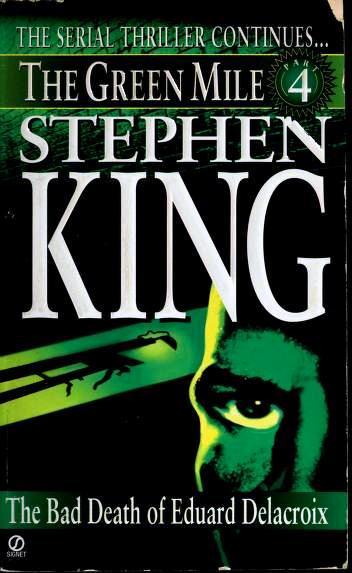



Summary of Key Ideas
Table of Contents
The Nature of Justice and Mercy
The story is centered in 1932 at Cold Mountain Penitentiary, where death row inmates await execution on the electric chair, walking the so-called Green Mile. Paul Edgecombe, the empathetic head guard, narrates his experiences overseeing the prisoners and managing his team. The arrival of John Coffey, a physically imposing but remarkably gentle black man convicted of raping and murdering two young girls, disrupts the routine. Coffey’s demeanor and actions puzzle Paul and his team, making them question the nature of his guilt and innocence in a racist and prejudiced society.
Supernatural Gifts and Miracles
Unexplained supernatural phenomena begin after Coffey’s arrival. He demonstrates the ability to heal grievous injuries and cure illnesses, saving Paul from a painful infection and even resurrecting a pet mouse. Coffey’s powers both awe and frighten the guards, causing them to secretly orchestrate acts of mercy beyond the prison’s regulations. These miracles, occurring in the shadow of imminent death, highlight the possibility of extraordinary goodness in the bleakest environments and raise profound questions about fate, miracles, and the limits of human understanding.
Human Cruelty and Compassion
Paul and his team are forced to confront the cruelty inherent in both the justice system and individuals like Percy Wetmore, a sadistic guard who abuses his authority. The guards wrestle with moral dilemmas as they witness Coffey’s innocence and the good he brings, yet are obligated to fulfill the law’s demands. The contrast between compassion and brutality is stark, as Cold Mountain becomes a microcosm for exploring the darker and lighter facets of human nature, accentuated by the suffering and grace of those condemned.
The Weight of Guilt and Redemption
Coffey’s actions offer a path to redemption for the guards and inmates alike. His sacrificial spirit and capacity for empathy redeem not only those he helps but also those tormented by guilt and regret. For Paul, Coffey’s influence forces introspection about his role in carrying out executions, and makes him question the irreversibility of justice. Coffey ultimately reveals he is innocent, bearing the pain of the world and choosing acceptance of his fate as an act of mercy for himself and others.
The Reality of Death and the Human Experience
The narrative concludes with reflections on mortality, the lasting burden of guilt, and the search for meaning amid despair. Paul, aged and living in a retirement home, still wrestles with the events of the Green Mile, haunted by his decisions and Coffey’s miraculous gifts. The Green Mile stands as a testament to the enduring conflicts between hope and despair, punishment and mercy, and the inexplicable mysteries that can shape—and sometimes redeem—a life.
Download This Summary
Get a free PDF of this summary instantly — no email required.