
The Great Democracies
Book Description
A tumultuous era beckons as nations clash over ideals and destinies. In "The Great Democracies," Winston S. Churchill embarks on an electrifying exploration of liberty and leadership, unraveling the monumental struggles that shaped the democratic world. With courage and conviction, he weaves a vivid tapestry of history, illuminating the fierce battles for freedom and the relentless pursuit of justice. As the fate of nations hangs in the balance, the question lingers: can the spirit of democracy triumph over tyranny, or will darkness claim the day?
Quick Book Summary
"The Great Democracies" by Winston S. Churchill explores the sweeping narrative of democratic progress, focusing on the pivotal role played by Great Britain and the United States in shaping the modern world. Churchill charts the triumphs and tribulations of these nations as they champion liberty, confront despotism, and ultimately steer the course of global events. With his characteristic insight and eloquence, Churchill examines the ideological roots and historical milestones that define democratic governance. He pays tribute to the leaders, citizens, and movements that have carried the torch of freedom through war, revolution, and reform. The book ultimately grapples with the enduring question: can democracy sustain itself against the tides of tyranny and upheaval, or will its promise falter under relentless pressure?


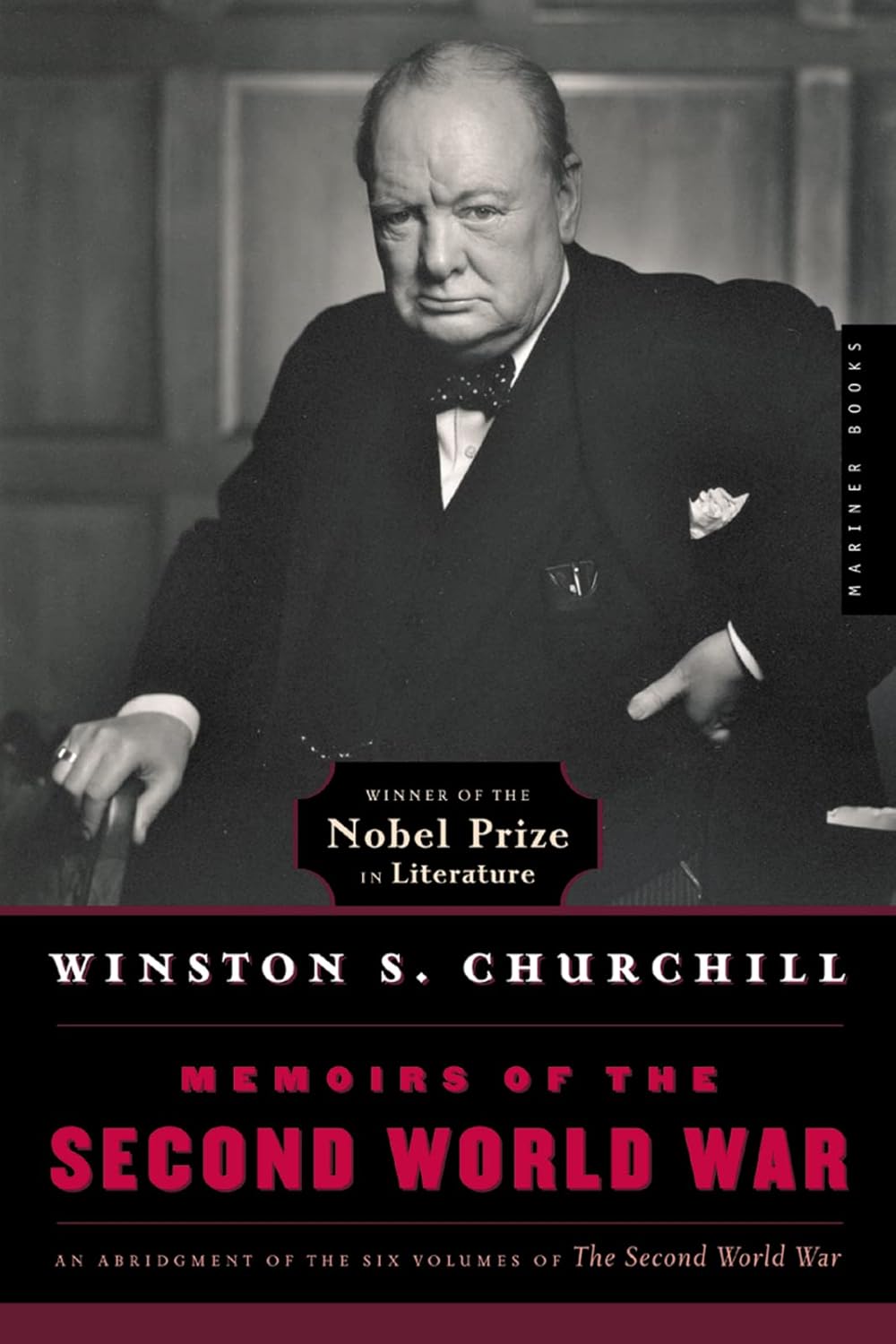
Summary of Key Ideas
Table of Contents
The Evolution of Democratic Ideals
Churchill begins by chronicling the philosophical and political roots of democracy, highlighting its emergence from centuries of monarchical and aristocratic rule. He assesses key moments such as the Glorious Revolution, the American Revolution, and the development of constitutional government, emphasizing how these laid a foundation for representative institutions. Churchill underscores the gradual expansion of suffrage, the rule of law, and civil liberties as crucial milestones in the democratic journey.
Struggles Against Tyranny and Despotism
Throughout the book, Churchill explores the persistent threats democracy faced from absolutist powers and authoritarian regimes. He examines the Napoleonic Wars, the rise of totalitarian ideologies, and the persistent specter of external aggression. Churchill details how democracies responded to internal divisions and external challenges, exemplifying the resilience and adaptability necessary for survival in a volatile world.
Leadership in Shaping Free Societies
A core theme is the role of visionary and principled leadership in stewarding democratic nations through crises. Churchill highlights figures such as Washington, Lincoln, and Gladstone, examining how their choices and convictions shaped their countries’ destinies. He argues that the fate of democracy often hinges on the ability of such leaders to inspire unity, courage, and a steadfast commitment to justice and liberty.
The Interplay of War and Political Reform
Major wars and political upheavals serve as catalysts for democratic reform throughout the narrative. Churchill illustrates how the pressures of conflict tested institutions and prompted necessary changes. For example, he covers the American Civil War and British reforms in the wake of industrialization, showing how these crucibles fostered broader political inclusion and stronger societal bonds.
The Enduring Challenge to Democracy
In his reflection on the future, Churchill stresses the ongoing struggle to safeguard democracy from complacency and emerging threats. He warns that democracy’s triumph is never final, requiring perpetual vigilance, civic engagement, and a commitment to the ideals of freedom and justice. The book closes by urging readers to recognize the shared destiny of democratic nations and to remain steadfast in defending their hard-won liberties.
Download This Summary
Get a free PDF of this summary instantly — no email required.