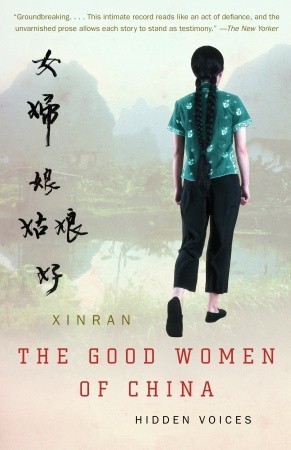
The Good Women of China: Hidden Voices
Book Description
Amidst the shadows of China’s patriarchal society, a chorus of resilient voices rises from the depths of silence. 'The Good Women of China: Hidden Voices' uncovers the untold stories of women who grapple with love, loss, and unimaginable struggles, revealing their strength and spirit. Each tale unfolds like a vivid tapestry, weaving together heartbreak and hope, as these women challenge the constraints of tradition and forge their own destinies. Their journeys are both harrowing and inspiring, prompting powerful questions about identity and resilience. What happens when the walls of silence finally start to crumble?
Quick Book Summary
"The Good Women of China: Hidden Voices" by Xinran is a collection of poignant, real-life stories from women across China, drawn from the author's work as a radio host in the 1990s. Through candid interviews and firsthand accounts, Xinran brings to light the hidden traumas and resilience of women overshadowed by a patriarchal society and decades of sociopolitical upheaval. The book reveals personal battles with oppression, heartbreak, and hope, moving beyond stereotypes to capture the emotional complexity of Chinese women’s lives. By giving voice to their experiences of love, loss, abuse, and courage, Xinran not only preserves their histories but also challenges cultural silences, highlighting the transformative power of storytelling and the enduring strength of the human spirit.





Summary of Key Ideas
Table of Contents
Silenced Voices and Storytelling
Xinran’s work as a late-night radio host in Nanjing forms the backbone of "The Good Women of China." On-air, she invited women to share personal stories that had long been concealed by societal taboos and political repression. These narratives, collected over years, exposed the hidden realities of domestic violence, sexual assault, broken families, and the residue of campaigns such as the Cultural Revolution. The radio became a rare platform for confession and catharsis, giving women the chance to be truly heard, sometimes for the first time in their lives.
Resilience Amid Oppression
The book illuminates the resilience required for women to navigate China’s layered oppression, both historical and contemporary. Many accounts reveal how women endured emotional and physical suffering, including forced marriages, bullying, child loss, and abandonment. Despite systemic injustice, their adaptability and resolve shine through, whether in surviving hardship or nurturing hope for themselves and their children. Xinran presents these women not as victims, but as survivors, whose endurance redefines traditional notions of strength.
Generational Trauma and Change
Generational differences shape the suffering and coping mechanisms of Chinese women. Older women recall the trauma of war, starvation, and political purges, while younger voices outline challenges brought by rapid modernization and changing social expectations. Xinran deftly explores how societal transformations—such as the One Child Policy—impose new forms of pressure and pain. The passing down of silence and suffering from mother to daughter gradually shifts, as increased opportunities for dialogue and storytelling foster new paths toward healing and agency.
Women's Agency and Identity
Identity and agency emerge as central threads, with many women questioning their roles, desires, and sense of self under the weight of tradition. Xinran’s interviews illustrate how these women negotiate their autonomy amid constraints, sometimes rebelling against expectations, other times making peace with their circumstances. Through education, work, and connection with others, some women find ways to assert control over their destinies, suggesting a slow cultural evolution toward greater female empowerment in China.
Love, Loss, and Hope
At the heart of these stories is a complex interplay of love, loss, and hope. Women recount love stifled by arranged marriages or policies, and losses compounded by grief and isolation. Yet, within these tragedies, Xinran finds moments of beauty: acts of kindness between women, perseverance in the face of despair, and small victories that signal hope for future generations. "The Good Women of China" becomes a testament to the transformative power of listening, empathy, and letting hidden voices finally be heard.
Download This Summary
Get a free PDF of this summary instantly — no email required.