
The Good Old Days: The Holocaust as Seen by Its Perpetrators and Bystanders
Book Description
What if history's darkest moments were not witnessed by heroes, but by ordinary people? "The Good Old Days" unveils the chilling reality of the Holocaust through the eyes of those who perpetrated the atrocities and those who stood by, complicit in silence. Thought-provoking testimonies and haunting reflections expose a society that turned a blind eye while systematically dismantling humanity. Each page reveals the staggering moral dilemmas faced in the face of evil, raising unsettling questions about complicity and conscience. How could so many ordinary lives blend into one of history's greatest horrors? Can we truly separate ourselves from our past?
Quick Book Summary
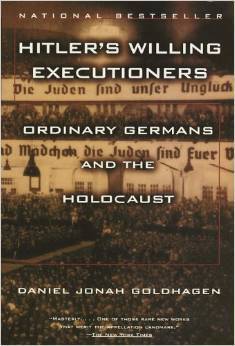
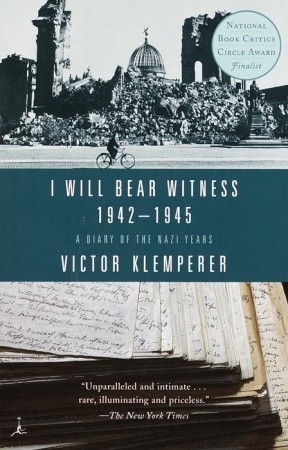
"The Good Old Days: The Holocaust as Seen by Its Perpetrators and Bystanders" exposes the disturbing reality of the Holocaust from the perspectives of those who participated in and witnessed the atrocities, rather than the victims. The book is a compilation of firsthand documents: letters, diary entries, photographs, and postwar testimonies from SS officers, police, and ordinary Germans. These raw narratives reveal how commonplace and bureaucratic the machinery of genocide became, highlighting the chilling normality with which mass murder was perpetrated. By providing these perspectives, the book challenges readers to confront uncomfortable truths about complicity, obedience, and moral responsibility, demonstrating that the Holocaust was not only the work of evil masterminds, but also of ordinary individuals.

Summary of Key Ideas
Table of Contents
Ordinariness of Perpetrators and Bystanders
"The Good Old Days" confronts the reader with the reality that the Holocaust was not carried out solely by sadistic monsters but by ordinary men and women within a bureaucratic system. Through contemporary reports, letters, and testimonies, the book paints a portrait of everyday life among perpetrators and bystanders, exposing their mundane routines, personal reflections, and justifications for their actions. These materials reveal that genocide was frequently approached as just another job, with disturbing calm and routine permeating the accounts.
Bureaucratization and Normalization of Evil
Central to the book is the way normalized routines turned systematic murder into an almost administrative task. Bureaucratic language and paperwork reduced human lives to statistics, as officials and guards filled out forms, organized transports, and listed quotas. This atmosphere allowed individuals to deflect personal responsibility, hiding behind orders and procedures. The banality of evil, as theorized by Hannah Arendt, is palpably present—evil flourished not through passion, but through efficient adherence to policy.
Moral Disengagement and Rationalization
The perpetrators and bystanders employed various rationalizations for their roles. Many justified their participation by citing orders from superiors, duty to the state, or the belief in Nazi ideology. These testimonies expose mechanisms of moral disengagement, such as dehumanizing victims and treating killing as just another routine. Rationalization allowed many to live with their actions, with some even recalling these years as "good old days," demonstrating shocking moral detachment.
Complicity and the Silence of Bystanders
Equally chilling is the role of bystanders. Police, railway workers, local officials, and ordinary citizens often facilitated or ignored mass murder. Documentation in the book shows how silence, indifference, and even passive cooperation enabled the atrocities to proceed unchallenged. The complicity of those who "just did their jobs" forms a crucial part of the Holocaust's tragic narrative, highlighting the perils of apathy and submission to authority.
Legacy and Lessons on Human Nature
The book concludes with a sobering reflection on what the Holocaust reveals about human nature. The writings and testimonies provided force readers to question assumptions about decency, morality, and the fragility of conscience under pressure. "The Good Old Days" stands as a powerful reminder that history's darkest chapters are not only written by monsters, but can be facilitated by ordinary people whenever conscience gives way to obedience and indifference.
Download This Summary
Get a free PDF of this summary instantly — no email required.