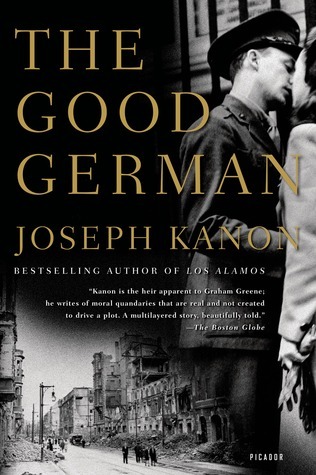
The Good German
Book Description
Berlin, 1945: a city torn apart by war and buried secrets. American journalist Jake Geismar finds himself embroiled in a tangled web of espionage, betrayal, and a haunting past as he searches for a lost love. With the walls closing in and allegiances shifting, every decision could spell life or death. Allies become enemies, and nothing is as it seems in a city where the shadows of Nazism linger. As Jake navigates this treacherous landscape, will he uncover the truth before it consumes him? In a world where loyalty is fleeting, how far would you go to find the answers?
Quick Book Summary
"The Good German" by Joseph Kanon is a gripping historical thriller set in the devastated city of Berlin immediately following World War II. American journalist Jake Geismar returns to Berlin as part of the Allied press corps, hoping to find Lena Brandt, the woman he once loved. As he navigates the chaotic aftermath of war, Jake stumbles upon a murder that leads him into a labyrinth of espionage, corruption, and unresolved loyalties. He uncovers secrets hidden behind the ruins and discovers that the line between good and evil is blurred amid the Allied occupation and emerging Cold War tensions. Through Jake’s investigation, the novel explores the haunting legacy of the war and the complexities of seeking justice in a world where everyone is hiding something. Kanon’s narrative immerses readers in a city rife with intrigue, betrayal, and moral ambiguity, ultimately questioning what it means to be "good" in a time of such darkness.




Summary of Key Ideas
Table of Contents
Moral Ambiguity and the Nature of Guilt
Amid the rubble of postwar Berlin in 1945, Jake Geismar, an American journalist, is thrust into a landscape where the old order has crumbled and a new, uncertain one is taking shape. Jake returns as a correspondent for the Potsdam Conference, tasked with reporting on the city’s reconstruction. However, his real quest is personal: to find Lena Brandt, his German lover from before the war. The city he finds is a divided, desperate place, filled with refugees, black marketeers, and the victorious but wary Allies. Berlin’s eerie ruins mirror the fractured morals of its inhabitants, and Jake must carefully navigate a world where trust is scarce and danger feels imminent.
Postwar Berlin: Chaos, Ruins, and Survival
Jake’s search for Lena soon becomes entangled with the suspicious murder of an American soldier. As Jake investigates, he realizes the case is much more than it appears. Various factions—the Americans, the Soviets, and former Nazis—are all interested in the outcome for reasons steeped in the complexities of politics and retribution. Each side is eager to exploit German scientists and intelligence for their own Cold War ambitions, further blurring the lines between victors and vanquished. Jake faces shifting allegiances, mutual suspicion, and the harsh truth that justice is often sacrificed for expediency.
Espionage, Power, and Shifting Allegiances
Through his investigation, Jake becomes embroiled in a world of espionage and deceit. The Allies are not just liberators but also opportunists vying for leverage in the emerging Cold War. Everyone, from generals to refugees, harbors secrets. The characters Jake encounters—American officers, Soviet agents, old friends, and war criminals—embody the moral grayness of the time. As Jake peels back layers of deception, he is forced to reckon with his own moral compass and consider the cost of survival versus the value of integrity. The weight of collective and individual guilt pervades every interaction in the shattered city.
The Search for Love and Redemption
At the heart of Jake’s journey is his complicated relationship with Lena. Both are haunted by their pasts and by the choices they made during the war. Lena’s husband, presumed dead, is revealed to be alive but deeply implicated in war crimes. Jake and Lena’s attempt to find redemption and connection is constantly imperiled by the unforgiving realities of postwar Berlin. Their love story is a painful, persistent thread running through the shifting allegiances and betrayals that define the city.
The Price and Complexity of Truth
Ultimately, "The Good German" examines what it means to seek truth and justice in a world where both are in short supply. Jake’s pursuit leads him to difficult moral decisions, illuminating the price individuals must pay for honesty and the ambiguous legacy of wartime choices. The novel closes on an uneasy note, underscoring that in a world ravaged by conflict, the answers to questions of guilt, goodness, and redemption are as complex—and elusive—as the ruins of Berlin itself.
Download This Summary
Get a free PDF of this summary instantly — no email required.