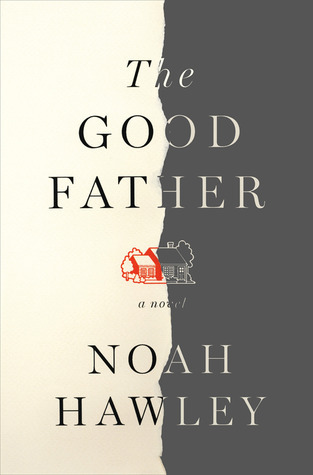
The Good Father
Book Description
A father stands accused of a shocking crime, and in a world where the line between guilt and innocence blurs, his son must unravel the truth. As secrets unravel and loyalties are tested, the bond between them is pushed to its breaking point. Each revelation leads to harrowing choices that echo far beyond the courtroom. With every twist and turn, the stakes climb higher, and the chilling question remains: what does it mean to protect the ones we love, even when the truth may destroy them? Would you sacrifice everything for your family?
Quick Book Summary
"The Good Father" by Noah Hawley dives into the heart of a parent's worst nightmare when Dr. Paul Allen's life unravels after his son, Daniel, is accused of assassinating a presidential candidate. Grappling with disbelief, guilt, and the relentless pursuit of truth, Paul embarks on a transformative journey through the justice system, his own memories, and the fractured bond with his son. As the facts surrounding the crime surface, Paul questions the nature of responsibility, the limits of parental influence, and the boundaries between love and truth. Hawley crafts a tense, psychological thriller that challenges notions of justice, explores the pain of familial estrangement, and examines how tragedy can redefine the ties that bind family together.





Summary of Key Ideas
Table of Contents
Parental Responsibility and Guilt
Dr. Paul Allen leads a seemingly successful and fulfilled life until it is shattered by the news that his estranged son, Daniel, has been arrested for the high-profile murder of a presidential candidate. Stunned and in disbelief, Paul’s initial reaction is a desperate search for alternative explanations for Daniel’s alleged crime. This denial sets him on a path through evidence, past memories, and every intersection where he suspects he might have failed as a father. Hawley paints a vivid portrait of a man attempting to assert control over chaos, confronting both private doubts and harsh public scrutiny.
The Complexity of Truth and Justice
As Paul digs deeper, he becomes obsessed with understanding every factor that could have led Daniel to violence, from psychological and genetic predispositions, to their fractured father-son relationship. The novel skillfully explores the concept of parental guilt, emphasizing the tension between nurture and nature. Paul agonizes over the role his own actions and absences may have played, wrestling with questions that have no satisfying answers. This section also uncovers the complexity and limitations of personal responsibility, especially within the messy reality of family ties.
Familial Bonds Under Siege
Throughout the investigation and legal proceedings, Paul’s relationship with Daniel is tested to its breaking point. Flashbacks reveal a mix of missed opportunities, genuine caring, and the heartbreaking realization that love is sometimes not enough to prevent tragedy. The bond between father and son is at the core of the narrative, as Paul vacillates between wanting to protect Daniel and grappling with the possibility of his guilt. Hawley intensely explores the pain of family estrangement, capturing the loneliness that comes from being able to neither trust nor fully abandon one’s child.
Isolation and Grief in the Face of Tragedy
Paul’s journey is not only a search for answers, but also a quest for personal redemption. Facing relentless media attention and the alienation that comes with being the parent of the accused, Paul is forced to reconsider his identity—not just as a father, but as a man whose life is now defined by a single, irrevocable act. Grief and isolation permeate his experience, yet these emotions also catalyze moments of self-discovery and moral reckoning as he weighs the cost of unconditional love.
The Search for Redemption
Ultimately, "The Good Father" raises profound questions about justice, truth, and the sacrifices demanded by family loyalty. As legal reality collides with emotional need, Hawley examines how far one goes to protect loved ones in the face of overwhelming evidence. The novel ends without simple resolutions, leaving Paul—and the reader—to reflect on the true meaning of fatherhood and the inescapable burdens it carries. The story’s gripping psychological tension and emotional honesty invite readers to reconsider what it means to forgive, understand, and ultimately accept the ones we love.
Download This Summary
Get a free PDF of this summary instantly — no email required.