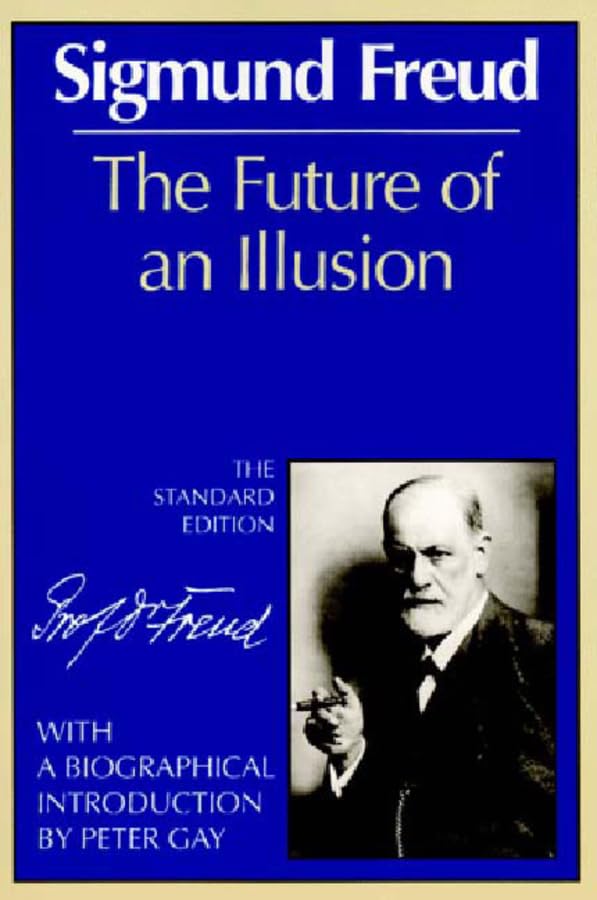
The Future of an Illusion
Book Description
A mind-bending confrontation awaits in "The Future of an Illusion," where Sigmund Freud unravels the tangled relationship between religion and the human psyche. Dive into the depths of belief as Freud challenges the very foundations of faith, revealing how illusion shapes our world and influences the masses. With each page, the tension builds, pitting rational thought against primal need, igniting questions about the nature of truth and the comforts of delusion. As civilization teeters on the brink of enlightenment, what will be sacrificed when the light of reason pierces the shadows of faith?
Quick Book Summary
"The Future of an Illusion" is Sigmund Freud’s provocative exploration of the psychological roots and social functions of religious belief. Freud argues that religion is an illusion, emerging from deep-seated human fears and desires. He contends that religious doctrines are wish fulfillments, constructed to offer comfort against existential anxieties and the harsh realities of life. While recognizing religion’s role in providing cohesion and moral order, Freud questions its ultimate value, suggesting that it inhibits the growth of rationality and scientific understanding. He proposes that as humanity matures and relies more on reason and science, religion will lose its influence, making way for a worldview grounded in critical inquiry rather than comforting illusions.





Summary of Key Ideas
Table of Contents
Religion as Wish Fulfillment
Freud begins his analysis by investigating why religion takes such a profound hold on the human mind. He argues that religious ideas are wish fulfillments: they originate from the deepest childhood needs for protection and guidance, personified as fatherly, powerful gods. These illusions provide psychological comfort by offering explanations for suffering, hope for justice, and reassurance against mortality. Freud asserts that religious doctrines resemble the dreams and myths that help individuals cope with life’s uncertainties.
Psychological Origins of Belief
Beyond individual comfort, Freud unpacks the societal roles of religion. He points out how shared beliefs foster social cohesion and establish moral codes, which serve to regulate impulses and maintain civilization. According to Freud, religion acts as a collective superego—a system of prohibitions and prescriptions that channel primal human instincts. Although this function can preserve social order, Freud questions whether the reliance on supernatural authority undermines genuine moral development and hinders intellectual progress.
Societal Functions of Religion
A central tension in the book is Freud’s critique of the conflict between science and religious faith. He contends that religion rests on unquestioned authority and perpetuates illusions, whereas scientific thought is grounded in observation, skepticism, and reason. Freud examines the resistance to abandoning religious beliefs, attributing it to their deep emotional roots. Nonetheless, he maintains that a future based on science and rational inquiry offers a more reliable foundation for truth and collective wellbeing than clinging to comforting illusions.
The Clash between Science and Faith
Freud anticipates objections to his ideas, acknowledging that critics see religion as indispensable for ensuring ethical behavior and social stability. He responds by arguing that humans are capable of moral responsibility rooted in rational understanding, not fear of divine punishment. For Freud, ethical maturity comes from recognizing the realities of existence and embracing duty for its own sake, rather than relying on supernatural promises or threats.
The Prospects for a Rational Worldview
In the concluding reflections, Freud speculates on the fate of religion in a world increasingly illuminated by reason and science. He expresses guarded optimism that, over time, humanity will outgrow religious illusions and embrace a secular, rational worldview. However, he also recognizes the enduring psychological and cultural power of religious belief. Freud’s work remains a landmark critique of faith, challenging readers to confront the comforting illusions at the heart of civilization and to consider the possibilities—and responsibilities—of a world guided by reason.
Download This Summary
Get a free PDF of this summary instantly — no email required.