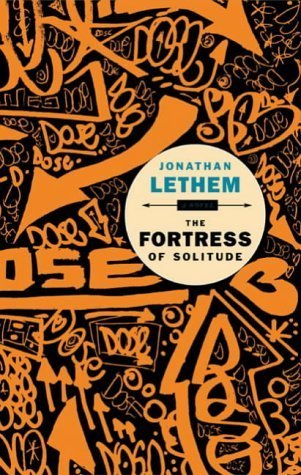
The Fortress of Solitude
Book Description
Amidst the gritty streets of 1970s Brooklyn, two boys form an unbreakable bond through the magic of comic books and the harsh realities of their lives. As they navigate the treacherous waters of friendship, race, and identity, their connection is tested by betrayal and secrets that threaten to tear them apart. With the haunting presence of a legendary superhero looming over them, the line between fantasy and reality blurs. Can their friendship survive the weight of their choices, or will the fortress of solitude become a prison of their own making?
Quick Book Summary
"The Fortress of Solitude" by Jonathan Lethem is a sweeping coming-of-age novel set in 1970s and 1980s Brooklyn, following the lives of Dylan Ebdus, a white boy growing up in a predominantly Black neighborhood, and Mingus Rude, his charismatic Black friend. Their friendship is forged amid the tumultuous backdrop of gentrification, racial tension, and the escapism provided by comic books and soul music. The boys discover a mysterious ring that grants them superpowers, further blurring the boundary between their harsh reality and imagined heroics. As they grow older, personal betrayals, societal pressures, and coming-of-age revelations cause their paths to diverge. Lethem explores themes of race, identity, the loss of innocence, and the and the bittersweet nature of friendship against the vibrant, shifting landscape of Brooklyn.



Summary of Key Ideas
Table of Contents
Race and Identity in Urban America
The novel begins in the predominantly Black neighborhood of Gowanus, Brooklyn, during the 1970s, where Dylan Ebdus is one of the few white children. His introverted nature and passion for comic books make him an outsider, leading to frequent bullying and isolation. Mingus Rude, the son of a former soul singer, becomes Dylan’s closest friend, with both boys bonding over their love for music, graffiti, and escapist fantasy. Their neighborhood is in flux, shaped by racial tension and the slow creep of gentrification. Through their friendship, Dylan and Mingus navigate the complexities of race and belonging in a city undergoing cultural and demographic shifts.
The Complexity of Friendship
Central to the boys' connection is a magical ring that grants them the superpower of flight and invisibility. This fantastical element serves as a metaphor for both escape and empowerment, allowing the boys to transcend the limitations imposed by their environment and identities. However, their adventures with the ring also mirror the allure and dangers of escapism, as the boundaries between fantasy and reality begin to blur. The superhero motif reinforces their desire to be seen and to transcend the expectations placed on them by their families and society at large.
Blurred Lines Between Fantasy and Reality
As Dylan and Mingus move into adolescence and adulthood, the strains on their friendship mount. Dylan’s academic opportunities take him away from Brooklyn, while Mingus is increasingly ensnared by personal demons, family struggles, and the harsh realities of systemic racism. The ring’s powers become more ambiguous, symbolizing lost innocence and the impossibility of true escape. Betrayals and secrets emerge; the once unbreakable bond between the boys is tested by their diverging paths, and the choices they make carry long-term consequences for both.
The Impact of Gentrification and Change
Brooklyn itself is a vital presence in the novel, its changing landscape serving as both a backdrop and catalyst for the characters’ development. The threat and reality of gentrification, shifting cultural norms, and fading neighborhoods reflect the boys’ internal transformations. Lethem skillfully interweaves personal history with broader societal change, highlighting how place and community shape, bind, and sometimes hurt those who live within them.
The Loss of Innocence
By the novel’s end, Dylan and Mingus are adults grappling with regret, memory, and their complex connection to each other and their shared past. The fortress of solitude—once a symbol of safety and possibility—becomes a metaphor for the isolation each man feels. Lethem’s narrative interrogates the myths of heroism and the realities of identity, leaving readers with a poignant reflection on the enduring scars of childhood, the unfulfilled promise of magical transformation, and the indelible imprint of friendship amid the ruins of a changing city.
Download This Summary
Get a free PDF of this summary instantly — no email required.