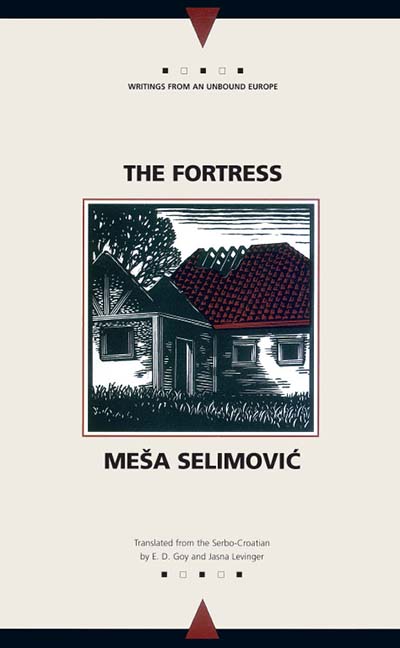
The Fortress
Book Description
A man finds himself trapped in a fortress of his own making, where the walls echo with the whispers of doubt and despair. As the shadows of war loom, he wrestles with conflicting loyalties, haunting memories, and the relentless search for meaning in a fractured world. Relationships fray and tensions ignite as every decision could be the difference between freedom and despair. Betrayal lurks in every corner, and trust becomes a rare commodity. Can hope survive in a place where darkness reigns? In the midst of chaos, what sacrifices will he make to reclaim his fate?
Quick Book Summary
Meša Selimović's "The Fortress" follows Ahmet Šabo, a wounded former soldier returning to his hometown in Ottoman-era Sarajevo, haunted by trauma and drifting through postwar uncertainty. Alienated and disillusioned, Ahmet grapples with the moral decay and hypocrisy surrounding him, wrestling with his own conscience, his family’s expectations, and the complexities of survival in a repressive society. He forges a fragile hope through love and friendship, yet persistent doubts and the city’s turbulent atmosphere threaten to engulf him. Across intimate and public spheres, Ahmet’s journey becomes an exploration of trust, the search for authenticity, and the struggle to maintain personal integrity amidst oppression and despair.



Summary of Key Ideas
Table of Contents
Alienation and the Search for Identity
Returning to Sarajevo after the war, Ahmet Šabo is physically and spiritually scarred, moving through a city shadowed by unrest. Disenchanted by the dissonance between his internal turmoil and the city's exterior normalcy, Ahmet becomes an outsider, struggling to rediscover his purpose in a world unsettled by uncertainty. The fortress, both literal and metaphorical, symbolizes the rigid boundaries limiting his existence and the walls he constructs around himself.
The Psychological Impact of War and Trauma
The aftermath of conflict reverberates through Ahmet’s psyche, shaping his relationships and view of the world. He is haunted by the violence and betrayals of war, unable to shake a deep sense of dislocation and grief. The specter of loss defines his interactions, sowing distrust and inhibiting his ability to form genuine connections. As the city simmers with suspicion and clandestine animosities, Ahmet’s solitude deepens, mirroring the broader alienation experienced by society.
Moral Ambiguity and Integrity
Within this fraught atmosphere, Ahmet encounters a cast of characters—family, friends, and adversaries—each reflecting the ethical ambiguities of their era. The difficulties of reconciling ideals with reality test Ahmet’s moral compass. He witnesses duplicity, desperation, and self-preservation, but clings to an internal sense of justice. Moments of integrity and courage emerge, yet are continually threatened by the suffocating forces of corruption and conformity.
Love, Trust, and Human Connection
Despite the pervasive gloom and cynicism, hope flickers in Ahmet’s tentative human connections, particularly in his love for a courageous woman who inspires him to believe in renewal. These relationships, precarious but profound, provide a lifeline as he navigates betrayal and distrust. In rare moments of candor and intimacy, Ahmet glimpses the possibility of redemption and personal liberation, suggesting that trust and empathy can survive even in the darkest times.
Survival in a Repressive Society
Ultimately, "The Fortress" is a meditation on freedom, resignation, and the persistent quest for meaning. Selimović portrays the necessity of small acts of resistance and kindness in a world bent on crushing the spirit. Ahmet’s sacrifices, both painful and noble, highlight the enduring human struggle to define oneself against overwhelming odds. The novel concludes on a note of ambiguity, echoing the uncertainties of life in oppressive times, but affirms the value of inner strength and the hope that endures amid despair.
Download This Summary
Get a free PDF of this summary instantly — no email required.