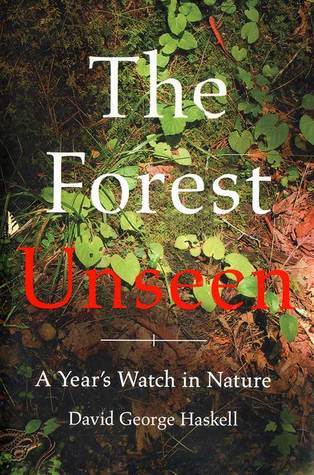
The Forest Unseen: A Year’s Watch in Nature
Book Description
Witness the heartbeat of a forest over an entire year, where every moment holds a story waiting to unfold. As David George Haskell immerses himself in a single patch of wilderness, he unravels the intricate web of life—each creature and plant interwoven in a dance of survival, beauty, and transformation. Spanning the seasons, this exploration reveals mind-bending truths about nature’s resilience and interconnectedness, sparking wonder and reflection. Dive into a vivid tapestry of sounds, scents, and sights that captures the essence of life itself. What revelations lie hidden in the whispers of the trees and the songs of the wild?
Quick Book Summary
In "The Forest Unseen: A Year’s Watch in Nature," biologist David George Haskell embarks on a remarkable journey to observe the intricate ecosystem of a small, one-meter-square patch of old-growth Tennessee forest—his mandala. Over the span of a year, Haskell returns time and again to chart the transformations, dramas, and minute details that unfold daily within this living microcosm. Through keen observation and lyrical writing, he unveils profound scientific and philosophical insights—exploring the hidden relationships between plants, animals, fungi, and the changing environment. The book beautifully conveys how every component is interdependent, reflecting nature’s astonishing complexity and resilience. Haskell’s meditative approach invites the reader to appreciate the extraordinary within the ordinary, encouraging a deeper, more mindful engagement with the natural world.


Summary of Key Ideas
Table of Contents
The Power of Close Observation
Through the lens of a single square meter of forest, Haskell demonstrates how close, attentive observation transforms our understanding of nature. Instead of traveling widely, he plants himself in one place and returns recurrently, developing an intimacy with the mandala. This slow, deliberate method allows him to notice subtle shifts—changes in light, the emergence of fresh leaves, quiet animal encounters—and fosters a deeper appreciation for the dynamics of life. His process is both scientific and contemplative, blending inquiry with awe, as he records how the forest evolves through the seasons.
Interconnectedness of Life
The narrative is woven around the concept of interconnectedness. Each species Haskell encounters—from salamanders and snails to wildflowers and moss—exists in a web of relationships. Predators, prey, pollinators, fungi, and bacteria dance together in cycles of cooperation, competition, and balance. Haskell explores how even tiny organisms, like bacteria on fallen leaves, play vital roles. He reveals the hidden dependencies binding this microcosm, illustrating how the health of the whole ecosystem rests on these unseen connections and how disruption in one component affects the entire network.
Cycles and Transformations in Nature
A core theme is the cyclical nature of change. Haskell observes how life in the mandala responds to passing seasons: the surge of growth in spring, the bustle and reproduction of summer, the preparation for winter’s hardships, and the slow decay and renewal during autumn and winter. Each season brings distinct challenges and opportunities, highlighting nature’s constant state of flux. Through detailed diaries, he conveys the ever-turning cycles of birth, maturation, death, and rebirth, offering profound insights into the resilience and persistence of the natural world.
Resilience and Adaptation
Resilience and adaptation are recurrent motifs. Haskell uncovers the strategies living things use to endure adversity—whether it’s a sudden frost, drought, parasitism, or predation. He describes the defenses of plants, the clever camouflage of insects, and the energy-saving tactics of overwintering animals. Microbes decompose fallen matter, ensuring nutrients flow back into the system. These adaptations are not merely survival mechanisms; they are testaments to the ingenuity of evolution and the robustness of ecological communities.
The Human Connection to Wilderness
Ultimately, the book is a meditation on human responsibility and affinity with the natural world. Haskell’s narrative evokes a sense of wonder and humility, reminding readers that we are part of these same biological tapestries. By grounding science in sensory richness and philosophical reflection, he argues for a more meaningful relationship with nature—one built on observation, respect, and stewardship. "The Forest Unseen" encourages readers to look more closely at their own surroundings, fostering a vital sense of connection and care for the planet.
Download This Summary
Get a free PDF of this summary instantly — no email required.