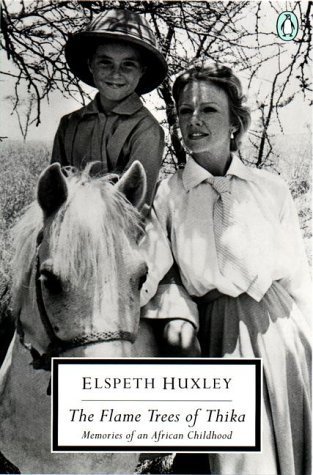
The Flame Trees of Thika: Memories of an African Childhood
Book Description
Amidst the vibrant landscapes of Kenya, a young girl’s world is painted with both breathtaking beauty and harsh realities. As Elspeth Huxley navigates the trials of life in the African wilderness, she encounters a kaleidoscope of characters whose lives intertwine in unexpected ways, revealing the fragility of innocence against the backdrop of colonial change. The lush flame trees loom large, bearing witness to laughter, loss, and resilience. Each moment brims with tension, as dreams clash with stark truths. Can the spirit of childhood survive in a world swirling with uncertainty and transformation?
Quick Book Summary
"The Flame Trees of Thika: Memories of an African Childhood" chronicles Elspeth Huxley’s experiences as a young girl when her family moves from England to colonial Kenya in 1913. Through Elspeth’s eyes, readers witness the excitement, challenges, and culture shock of forging a new life in the African wilderness. The memoir details the family’s attempts to establish a coffee farm amid a landscape both dazzling and unforgiving. As Elspeth befriends both European settlers and local Africans, she learns about the region’s customs, wildlife, and shifting colonial dynamics. Set against the breathtaking beauty—and latent dangers—of Kenya, the book balances nostalgia and realism, revealing innocence tested by adversity, and the ways in which dreams are shaped and sometimes shattered by the forces of history and nature.





Summary of Key Ideas
Table of Contents
Encountering the African Landscape and Wildlife
Upon arriving in Kenya, Elspeth Huxley and her parents are instantly struck by the untamed splendor of the African landscape. The vivid flame trees, dense forests, and expansive plains evoke a sense of wonder but also hint at the challenges ahead. The hazards of wild animals and unpredictable weather underscore the fragility of the settlers’ ambitions. Huxley’s detailed observations convey the awe and fear that characterized her formative experiences, as the family’s daily life becomes a blend of discovery and adaptation in their unfamiliar world.
Cultural Collision and Colonial Tensions
The Huxleys’ relationships with their African neighbors and European compatriots illustrate the complex interactions typical of colonial societies. Elspeth observes both camaraderie and cultural misunderstandings. While her parents navigate shifting alliances with other settlers, Elspeth befriends local Kikuyu children and gradually understands the nuances of native customs. These encounters expose the tensions and hierarchies embedded in colonial life, revealing both moments of bridging understanding and persistent divisions shaped by race and power.
Childhood Innocence and Coming-of-Age
Through a child’s perspective, the book captures the innocence and curiosity that insulated Elspeth from the full weight of colonial realities. Everyday routines—like learning from her mother or discovering wildlife—become formative adventures. However, episodes of danger and loss gradually erode this innocence, forcing Elspeth to confront mortality and the complexities of adulthood. The memoir deftly weaves smaller personal dramas into the larger tapestry of African colonial history.
Resilience Amid Hardship and Uncertainty
The Huxleys’ pioneering spirit is continually tested by drought, crop failures, and personal tragedies. Their dogged determination reflects the resilience necessary for survival in such an unpredictable environment. Through setbacks and fleeting joys, Huxley conveys the emotional highs and lows of forging a home in foreign soil. The landscape itself becomes a symbol of both adversity and promise, shaping the identities and destinies of its inhabitants.
Relationships Between Settlers and Local Communities
At its core, "The Flame Trees of Thika" is a meditation on human connection—across cultures, generations, and circumstances. The intricate relationships between settlers and local Africans, built on dependence, trust, and occasional conflict, reveal the ambiguities of colonial interactions. As Elspeth matures, she recognizes both the beauty and the instability of this world. The memoir closes with an acknowledgment of change’s inevitability, the fragility of childhood, and the enduring resonance of place and memory.
Download This Summary
Get a free PDF of this summary instantly — no email required.