
The Fields
Book Description
A fierce storm brews in the heart of a struggling farming community, where the land holds secrets as deep as its soil. Tensions rise between neighbors as desperation fuels fierce rivalries and whispered betrayals. Amid the clash of ambition and survival, one family's bonds are tested as they grapple with love, loss, and the unyielding grip of the land they call home. With every decision weighing heavily, will they rise together or be torn apart by the very dreams that bind them? As the fields twist beneath the weight of their struggles, who will emerge unbroken?
Quick Book Summary
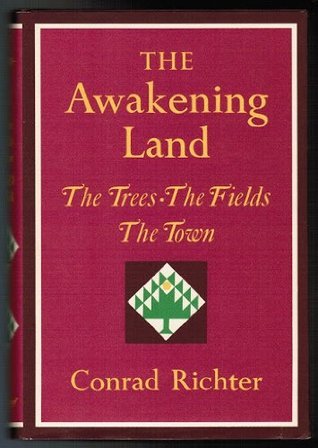
"The Fields" by Conrad Richter transports readers to a rural American farming community, where the ebb and flow of nature shapes the fates of its inhabitants. Set against the backdrop of an impending storm, the novel delves into the lives of families whose survival depends on the unpredictable land they tend. As hardship tightens its grip, rivalries erupt among neighbors, secrets fester, and betrayal lurks beneath the veneer of camaraderie. The central family at the heart of the narrative faces mounting challenges as their loyalty and love are strained by ambition, grief, and the relentless demands of their environment. Through evocative prose, Richter captures the timeless struggle between human perseverance and the unyielding forces of the land, as hearts and hopes are tested to the breaking point. Ultimately, "The Fields" is a profound meditation on community, resilience, and the deep ties that bind and sometimes break families.




Summary of Key Ideas
Table of Contents
Struggle for Survival and the Power of Nature
The novel opens with a vivid portrayal of a farming community on the precipice of change. The landscape is both nurturing and unforgiving, reflecting the precarious balance of its people's lives. A fierce storm brews—not just in the skies, but in the relationships among neighbors. Richter captures the raw interplay between nature's whims and the community's attempts to master their fate, highlighting the daily toil, small victories, and inevitable losses that shape rural existence.
Community, Rivalry, and Betrayal
Amid these harsh conditions, tensions simmer among the families as ambitions clash. Long-standing rivalries and alliances surface, turning neighbor against neighbor as scarcity breeds suspicion and competition. Whispered betrayals ripple through the tight-knit society, making survival not just a matter of overcoming the land, but also deciphering who can be trusted. The swirling storm becomes a metaphor for the emotional turmoil and unrest that threaten to engulf the characters.
Family Bonds and Generational Legacy
Central to the narrative is the family whose journey anchors the novel. Each member embodies a different response to adversity: the stoic patriarch, the nurturing yet longing matriarch, and the children torn between tradition and hope for a better future. Grief and loss test the family’s bonds, demanding resilience in the face of heartache. Through their struggles, Richter explores generational legacy—how the land, with all its hardships and gifts, shapes not just individual lives but entire lineages.
Dreams, Ambitions, and the Cost of Progress
Dreams and the drive for progress become double-edged swords. Some characters pursue change and opportunity with dogged determination, while others cling to familiar ways, wary of losing themselves. As modernity encroaches and the fields twist under the weight of new challenges, the community must confront the costs of ambition—both in terms of relationships and their connection to the land itself. The novel interrogates what is lost and gained as dreams are followed and realities shift.
Secrets and the Weight of the Past
Throughout, secrets lie beneath the surface, rooted as deeply as the crops themselves. Past choices, hidden shames, and unspoken alliances come to light, forcing characters to reconcile with their histories. These revelations ultimately threaten or fortify the ties that bind families and neighbors, raising questions about forgiveness and survival. "The Fields" concludes by illustrating how, despite—or because of—enduring hardship, the human spirit endures, sometimes emerging unbroken and forever marked by the land it calls home.
Download This Summary
Get a free PDF of this summary instantly — no email required.