
The Family Experiment
Book Description
What would you sacrifice for the perfect family? In "The Family Experiment," chaos descends as six strangers, united by a bold social experiment, must navigate betrayal, deceit, and shocking truths that bind them together. Each choice unleashes psychological tests on love, loyalty, and desperation, revealing the raw edges of human relationships. As the stakes intensify and paranoia sets in, a hidden agenda threatens to unravel their lives entirely. Secrets lurk in every corner; friendships are tested, and the line between ally and enemy blurs. When trust shatters, which bonds will survive the ultimate test? How far will they go to keep their family intact?
Quick Book Summary
"The Family Experiment" by John Marrs thrusts six strangers into a high-stakes social experiment, asking them to create the "perfect family" under constant surveillance and manipulation. Bonds are quickly forged and broken as each participant faces psychological challenges designed to expose their true selves and deepest secrets. Through intricate layers of deceit, shifting alliances, and escalating distrust, the experiment tests not just the strength of their fabricated family, but also the limits of human morality. As the participants unravel hidden agendas and contend with betrayals, the story becomes a gripping examination of loyalty, desperation, and the consequences of tampering with human relationships. In this claustrophobic environment, no one is quite who they seem, and surviving may mean destroying the very concept of family they hoped to uphold.
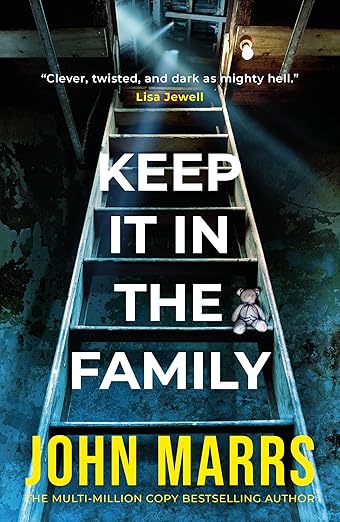





Summary of Key Ideas
Table of Contents
The Psychology of Family and Belonging
Six strangers enter a highly controlled environment as part of an ambitious social experiment overseen by a shadowy organization. Their challenge: to forge a seamless family unit and maintain harmony despite vastly different backgrounds and personalities. Initial optimism and camaraderie soon give way to suspicion as the rules and expectations of the experiment become increasingly opaque and invasive. Each participant is forced to present their best self, all while feeling the pressure of hidden surveillance and the anxiety that any misstep could cause irrevocable failure.
Deception and Manipulation Under Pressure
As days pass, the psychological strain intensifies. The organizers introduce challenges intended to fracture relationships and sow doubt. Participants begin to notice inconsistencies in each other’s stories and subtle manipulations in their environment. Tensions mount as personal secrets are revealed—some by accident, others through deliberate deception. The desire to succeed in the experiment is matched only by the fear of exposure. Loyalties are repeatedly tested as individuals are forced to choose between personal survival and group cohesion.
Shifting Alliances and The Nature of Trust
Trust becomes the experiment’s rarest commodity. The strangers, once potential friends, start seeing each other as potential threats. Strategic alliances form and dissolve as new revelations shatter previous bonds. The group collectively grapples with the realization that their orchestrators are exploiting their vulnerabilities for unknown purposes, while also struggling with the possibility that some among them may be secretly working for their captors. This paranoia tips the balance from fragile coexistence to volatile conflict.
Ethics of Experimentation on Human Bonds
Underlying the unfolding drama are probing questions about the ethics of experimentation and what lines individuals are willing—or forced—to cross in order to survive. Participants confront uncomfortable truths about their own capacities for deceit, loyalty, and betrayal. The experiment isn’t just a test of familial love; it’s a crucible that lays bare the primal instinct for self-preservation. Each character must reckon with whether the concept of family is worth fighting for, or merely an illusion manipulated by those in control.
Resilience and Sacrifice in Extreme Situations
As the experiment hurtles toward its conclusion, the stakes for each participant become intensely personal. Confrontations are inevitable, as past choices come back to haunt them and new alliances form in the face of mutual destruction. In the end, "The Family Experiment" delivers a suspenseful, unpredictable narrative that examines not just how families are built and destroyed, but why individuals will fight—sometimes ruthlessly—to keep them together, even if it means facing the darkest parts of themselves.
Download This Summary
Get a free PDF of this summary instantly — no email required.