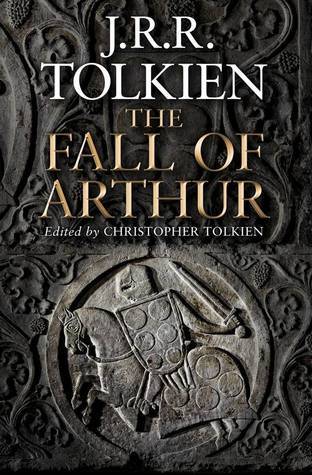
The Fall of Arthur
Book Description
A kingdom teeters on the brink of chaos, where loyalty battles betrayal and glory entwines with despair. As Arthur, the once-great king, faces an encroaching darkness, knights clash on the battlefield, and ancient magic stirs in the shadows. Love and honor collide as Camelot’s fate hangs by a thread, pushing friendships to their breaking points and exposing the fragility of power. With legends reborn and destinies intertwined, can the heart of a true leader withstand the ultimate test? What sacrifices will be made to save a realm on the verge of collapse?
Quick Book Summary
"The Fall of Arthur" by J.R.R. Tolkien is an epic narrative poem that reimagines the legend of King Arthur's tragic downfall. Set during the waning days of Camelot, Arthur prepares for a final campaign against invading Saxon forces, while betrayal and ambition simmer within his own ranks. At the heart of the story lies the complicated love triangle between Arthur, his queen Guinevere, and his most loyal knight, Lancelot. As ancient allegiances fracture, the ideals of chivalry and honor are tested by lust, pride, and personal ambition. Tolkien merges ancient myth with his signature poetic style, weaving a somber, atmospheric tale of a once-glorious reign crumbling under betrayal and despair. Incomplete yet profound, Tolkien's vision resonates with timeless themes of loss, loyalty, and the burdens of leadership.


Summary of Key Ideas
Table of Contents
The Fragility of Leadership and Power
Tolkien’s narrative opens with King Arthur at a crossroads, his realm threatened not only by external Saxon incursions but also by discord within. Arthur stands as a symbol of ideal kingship, striving to unite his knights and uphold the values of justice and order. However, the foundation of his authority is weakened by personal failings and competing ambitions, setting the stage for internal and external conflict. The text captures Camelot as a kingdom poised precariously between glory and ruin, its fate tied intimately to Arthur’s leadership and character.
The Strain of Forbidden Love and Betrayal
Amidst the looming war, the forbidden love between Guinevere and Lancelot adds a human dimension to the epic. Their emotional turmoil fractures the unity of Arthur’s court, underscoring how private desires can undermine public duty. Lancelot’s loyalty is tested, torn between devotion to Arthur and his passion for Guinevere. This love triangle not only heightens the tragic tone but also foreshadows the kingdom’s unraveling, as personal betrayal mirrors the greater betrayal brewing within Camelot’s ranks.
The Clashing of Old Myths and New Realities
Ancient magic and myth hover on the outskirts of the story, shaping and haunting the choices of mortal characters. Although Tolkien emphasizes the human struggles, the presence of Merlin and whispers of destiny remind readers of the larger, mysterious forces at play. The clashing of old and new is palpable, as Arthur’s Christianized ideals collide with the lingering pagan world, suggesting a civilization in the throes of transformation and loss.
The Call to Heroism and its Costs
The looming battles embody both heroism and futility, as knights clash for a cause that grows ever more ambiguous. Tolkien’s elegiac verse dwells on the heavy cost of duty: even the bravest warriors are not spared sorrow or regret. Glory is hard-won but short-lived, and each act of valor or sacrifice seems to draw Camelot closer to its end. The narrative mournfully charts the collapse of Arthur’s dream, reflecting on the limits of individual greatness in the face of inexorable doom.
The Enduring Impact of Fate and Doom
Ultimately, Tolkien’s poem is a meditation on fate and the inescapable tide of history. The fall of Arthur is depicted as both a personal tragedy and an epochal turning point, where ideals are tested to destruction. The story closes amid uncertainty and sadness, emphasizing that even the highest aspirations can be undone by human frailty and the relentless advance of time. Through richly crafted language and subtle psychological insight, Tolkien offers a timeless reflection on leadership, love, and the bittersweet impermanence of legend.
Download This Summary
Get a free PDF of this summary instantly — no email required.