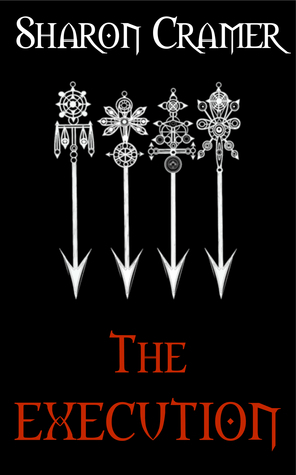
The Execution
Book Description
Beneath the surface of a quiet town lies a pulse of terror, where the line between justice and vengeance blurs with every tick of the clock. When a chilling execution date is set for a man convicted of a crime that divides the community, secrets unravel and alliances shatter. As tensions mount, those closest to the case grapple with their own beliefs and the haunting shadows of their pasts. Relationships are tested, loyalties are strained, and no one is safe from the consequences of the truth. In this high-stakes thriller, what happens when the scales of justice tip too far?
Quick Book Summary
Set against a medieval backdrop, "The Execution" by Sharon Cramer weaves a suspenseful tale that fuses historical detail, romance, and psychological drama. As an execution looms over a divided community, old secrets and buried grievances rise to the surface. The novel intricately explores how justice, when tainted by vengeance and fear, can fracture even the closest relationships. Through the eyes of several characters—each wrestling with their own demons and loyalties—the story unravels the complexities of truth, power, and love in a climate thick with suspicion. As the execution date approaches, the line between right and wrong dissolves, forcing each character to confront the darkness within both themselves and their society.


Summary of Key Ideas
Table of Contents
Justice versus Vengeance
The shadow of an impending execution dominates Sharon Cramer’s novel, serving as both catalyst and crucible for the town's collective psyche. The unnamed medieval community, though seemingly tranquil, seethes with latent tensions erupted by the conviction of a man whose alleged crime splits the townspeople. As the execution date nears, fear and uncertainty infect daily life, forcing each character to question their sense of justice and responsibility. The condemned man's fate becomes a mirror reflecting the society's fractured moral compass, with old grudges resurfacing and new divides forming along lines of class, kinship, and belief.
The Complexity of Loyalty and Betrayal
Central to the narrative is the blurry distinction between justice and vengeance. What begins as a quest for retribution soon devolves into a witch hunt, as rumor and innuendo drive suspicion. Key figures—local officials, family members, outsiders—are forced to choose sides. Some believe in applying the law without mercy; others doubt the man's guilt, sensing the dangers of a system bent on punishment over truth. The storyline deftly unpacks how the machinery of justice can be swayed by personal vendettas and the wrath of the masses, endangering the innocent and guilty alike.
Secrets and Hidden Pasts
Personal relationships are tested to their breaking point. Friends, lovers, and families fracture under the strain, their bonds weakened or strengthened by rapidly shifting allegiances. Characters grapple with secrets: unspoken loves, hidden betrayals, and traumatic histories that color their decisions. The novel’s romantic subplot intertwines with the broader fight for justice, offering moments of tenderness and hope amid the broader darkness. Each relationship is a microcosm of the community's larger reckoning, reflecting the difficulty of holding to one's values when confronted by pain and loss.
The Consequences of Fear and Suspicion
Suspense builds as the truth behind the crime—and the characters’ own histories—slowly emerges. Fear becomes both weapon and shield, used to justify harsh actions or protect the vulnerable. The author skillfully illustrates how suspicion corrodes trust, making allies out of former adversaries and vice versa. Ultimately, the townsfolk must confront what they are willing to sacrifice to feel safe, and whether true justice can survive when poisoned by fear.
Romance Amidst Turmoil
As the execution draws near, all pretenses unravel. The push toward vengeance gives way to revelations that force the town to look inward. In the end, the consequences of their choices ripple outward, irrevocably transforming relationships and reshaping long-held beliefs about justice, loyalty, and love. Cramer’s story lingers, inviting readers to ponder whether forgiveness and truth can rise from the ashes of violence, and what it truly means to be just in a world fraught with moral ambiguity.
Download This Summary
Get a free PDF of this summary instantly — no email required.