
The End
Book Description
In a world where the undead roam and survival is a ruthless game, a group of desperate teens fights to stay alive against overwhelming odds. As the infection spreads and chaos reigns, alliances are forged and shattered, revealing hidden fears and unbreakable bonds. Betrayal lurks around every corner, and every choice could mean life or death. Amidst the terror, a flicker of hope remains—will they uncover a cure or will the end truly be their beginning? Tension mounts as they battle not just monsters, but the darkness within each of them. Are they fighting to survive... or simply fighting to escape?
Quick Book Summary
"The End" by Charlie Higson delivers a suspenseful, grim conclusion to his horror-laced post-apocalyptic series set in a London overrun by plague-mutated adults. As the story unfolds, a ragtag group of teenagers faces relentless pursuits from both the undead and other survivors, forcing them into desperate alliances and harrowing confrontations. The core of the narrative examines humanity's capacity for courage and cruelty while probing the threads of hope that persist even in catastrophe. Betrayals, shifting loyalties, and high-stakes quests for survival define every interaction, pressing the group to confront threats from within and without. Amid their struggle, questions about leadership, morality, and the cost of survival emerge, framing a narrative as much about personal transformation as about outrunning the infected. Ultimately, the teens must decide if fighting for a cure—or simply for each other—is worth the risks, as the fate of what remains of their world hangs in the balance.
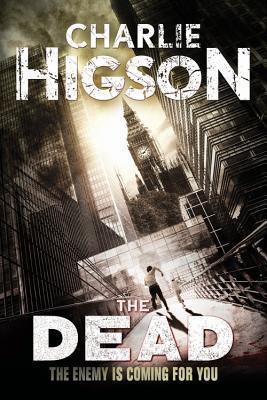



Summary of Key Ideas
Table of Contents
Survival and Sacrifice
As London lies shattered by a monstrous plague that transforms adults into predatory zombies, a scattered group of young survivors must navigate a world that has lost all order. In this lawless landscape, every day demands ingenuity and bravery simply to eat, rest, or find shelter. The collective trauma of witnessing society's downfall weighs heavily, and many characters are haunted by the losses they've endured. The terrain itself becomes an antagonist, forcing the kids to weigh the dangers of movement against the risks of staying put, all while fending off attacks from creatures once known as parents or teachers.
Leadership in Crisis
Leadership naturally emerges as survival demands decisions, alliances, and strategies. Yet leadership often proves a double-edged sword, bringing with it the heavy burden of responsibility, and sometimes, the temptation to manipulate or dominate. Rival factions spring up—each led by charismatic or ruthless figures, sowing division. These internal conflicts force characters to confront the true nature of authority: is it better to rule through fear or trust, and who is willing to shoulder the blame when things go wrong? Differing visions for the future, especially the existence of a possible cure, ignite heated disputes and galvanize action.
Trust and Betrayal
Trust becomes a rare commodity as the survivors struggle with competing interests, fear, and the knowledge that betrayal could strike at any moment. Friendships and loyalties are continually tested by the drive to survive. Survival sometimes demands terrible choices—or justifies dreadful acts. As old bonds splinter and new ones form, the group must learn to read intentions, weigh risks, and protect vulnerable allies while never lowering their guard. The collapse of adult supervision removes the safety net, making each decision more uncertain and every alliance more precarious.
Hope Versus Despair
Despite devastation and loss, the story pulses with hope, both fragile and fierce. Some survivors are motivated by rumors of a cure, igniting quests that risk everything for a chance at salvation. Others draw hope from their connections, finding meaning in new families forged in adversity. Small victories—a rescued friend, an outwitted zombie, a moment of laughter—offer emotional lifelines in the bleakness. But despair remains a powerful adversary, pushing some toward surrender, cynicism, or isolating self-reliance, forcing each character to decide how much hope they're willing to cling to—and what they're prepared to sacrifice for it.
The Search for Purpose
Ultimately, the battle for survival is also a search for purpose in a world stripped of normalcy. The characters wrestle with who they want to become amid the ruins, whether to uphold ideals or descend into brutality. The search for a cure, leadership choices, and acts of personal sacrifice become catalysts for self-discovery and transformation. The survivors must determine if their fight is for mere existence or for a future worth living—a question that drives the novel toward its tense, emotional conclusion.
Download This Summary
Get a free PDF of this summary instantly — no email required.