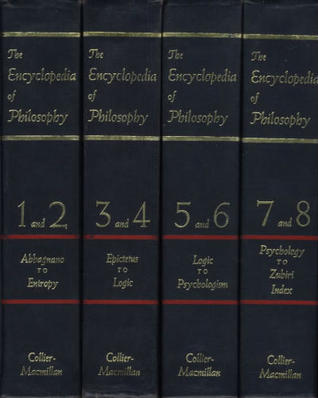
The Encyclopedia of Philosophy
Book Description
Dive into the depths of human thought with "The Encyclopedia of Philosophy" by Paul Edwards, where the greatest minds collide in a relentless quest for truth. Unravel the mysteries of existence as you traverse the vast landscapes of ethics, metaphysics, and knowledge—each entry a portal to profound revelations and soul-searching debates. Experience the thrill of intellectual discovery, from the ancient sages to contemporary visionaries, each grappling with life’s biggest questions. Challenge your own beliefs and ignite your curiosity. Are you ready to confront the ideas that have shaped civilizations?
Quick Book Summary
"The Encyclopedia of Philosophy," edited by Paul Edwards, stands as a monumental reference work cataloguing the major questions, concepts, traditions, and thinkers that define human philosophical inquiry. Spanning ancient to contemporary eras, it synthesizes centuries of intellectual endeavor, making dense ideas accessible to both scholars and lay readers. Each entry—from logic to ethics, metaphysics to epistemology—offers concise yet thorough expositions of central figures, arguments, and schools of thought. It not only explains the terms and people but also highlights the ongoing debates that animate philosophy. Rich with historical context, cross-references, and critical analysis, this encyclopedia invites readers to appreciate the complexity, diversity, and evolution of philosophical thought as it grapples with the perennial questions of meaning, reality, and understanding.





Summary of Key Ideas
Table of Contents
The Evolution of Philosophical Thought Across Cultures
The encyclopedia opens with a panoramic survey of philosophy’s evolution across civilizations. It traces foundational ideas from ancient Greece and India, through the Middle Ages, into modernity and contemporary times. Edwards stresses the dynamic interplay between cultures, as philosophers in disparate societies wrestle with similar existential questions yet tailor their approaches to specific historical and social contexts. This cross-cultural perspective enables readers to see philosophy as a living tradition responsive to changing human needs.
Key Branches and Concepts in Philosophy
Central to the work is its coverage of the major branches of philosophy: metaphysics, epistemology, ethics, logic, and aesthetics. Each area is systematically unpacked, with explanations of cardinal concepts like causality, free will, knowledge, moral responsibility, and beauty. Readers gain insights into not just what these fields study, but how their questions and methods interrelate. The encyclopedia also supplies nuanced discussions of philosophical terminology, guiding users through the technical language that shapes sophisticated debate.
Influential Philosophers and Their Contributions
A vital feature is its comprehensive exploration of influential philosophers: from Plato, Aristotle, Confucius, and Aquinas to Kant, Nietzsche, Wittgenstein, and Simone de Beauvoir. Each thinker receives a balanced account—outlining their principal ideas, contextual significance, and the intellectual legacies they have inspired. The encyclopedia emphasizes both individual originality and the wider conversations that link generations of philosophical minds.
Debates and Divergences Within Philosophical Traditions
The book delves deeply into debates and divergences within philosophies, elucidating enduring disagreements over topics like the nature of reality, the limits of reason, and the foundations of morality. Controversies between empiricists and rationalists, utilitarians and deontologists, or relativists and universalists come alive through clear exposition and critical analysis. The work encourages readers to understand not only the consensus views but also the vibrant disputes propelling philosophical development.
The Relevance of Philosophy to Contemporary Issues
Finally, the encyclopedia reveals how philosophy continues to shape and challenge contemporary concerns, from the ethics of artificial intelligence to the meaning of justice and human rights. It shows philosophy’s relevance to science, politics, religion, and everyday life, inviting readers to connect the discipline’s grand questions with present-day dilemmas. Edwards’s editorial vision offers both a repository and an invitation—to explore humanity’s deepest puzzles and perhaps join the ongoing conversation.
Download This Summary
Get a free PDF of this summary instantly — no email required.