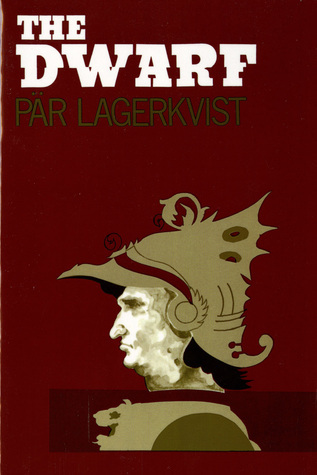
The Dwarf
Book Description
A world teetering on the brink of chaos has one unlikely witness: a bitter, sardonic dwarf whose sharp observations cut deeper than swords. As the court of a tyrannical ruler descends into madness and moral decay, this small figure grapples with his own monstrous nature and the dark truths that lie beneath the surface of humanity. Surrounded by power plays, treachery, and the haunting specter of war, loyalty and betrayal clash in a relentless battle. Can an outcast rise above the shadows of the kingdom, or will he too fall prey to the depths of despair? What remains of humanity when the soul is stripped bare?
Quick Book Summary
"The Dwarf" by Pär Lagerkvist is a dark and introspective novel narrated by Piccoline, a misshapen dwarf who serves as both observer and instigator within the tumultuous court of a Renaissance Italian prince. Gifted with keen intelligence and a vicious disposition, the Dwarf is attuned to humanity’s basest instincts, exposing the hypocrisy, violence, and moral decay that fester beneath the veneer of nobility. The narrative blurs the line between observer and participant, as Piccoline not only chronicles but also catalyzes events that lead to betrayal, war, and tragedy. Through the Dwarf’s unflinching perspective, Lagerkvist explores the roots of evil, the complexities of power, and the eternal struggle between darkness and light within the human soul.






Summary of Key Ideas
Table of Contents
Evil as an Inherent Part of Human Nature
Piccoline, the Dwarf, narrates the story from the shadows of the prince’s court, offering an unvarnished view of the world around him. Though physically small and deformed, his mind is sharp and his spirit cold. He is driven by a misanthropic philosophy, convinced that evil is mankind’s true nature. His position as both an outsider and a confidant to power gives him unique insight into both the intrigues and intimate failings of those who rule and serve.
The Corrupting Influence of Power
Life in the prince’s court is depicted as a nest of political maneuvering and duplicity. The Dwarf is both servant and enforcer for the unnamed prince, whose rule is characterized by ruthlessness and ambition. The court’s public displays of piety and civility are exposed as hollow, masking a reality marked by cruelty, envy, and betrayal. The Dwarf’s actions—and his encouragement of the prince’s darkest impulses—drive the court further into chaos, culminating in acts of violence and war.
Alienation and Outsider Perspective
Alienation is central to the Dwarf’s identity. He remains emotionally isolated from the humans he observes, viewing their relationships, joys, and tragedies with detached contempt. He despises love and creativity, mocking those who seek beauty or redemption. This outsider status allows him to see the hollow core of their morality, yet it also feeds his hatred and inability to find connection, reinforcing his belief in the essential depravity of mankind—and himself.
Hypocrisy and Moral Decay in Society
The novel relentlessly interrogates the theme of evil, suggesting that it is not an aberration but a constant presence in the fabric of humanity. The Dwarf sees himself as the embodiment of this principle, the secret force behind the prince’s worst deeds and the honest voice among hypocrites. However, Lagerkvist also hints at hope and goodness as frail but persistent alternatives. In contrasting the Dwarf’s nihilism with moments of kindness and beauty, the story asks whether humanity can choose something other than darkness, or if it is ultimately doomed by its shadows.
By focusing on the Dwarf’s perspective, Lagerkvist builds a powerful allegory about war, power, and the corruptibility of the soul. The Dwarf is both a literal character and a symbol for the destructive tendencies within all people. His narrative exposes how easily high ideals are subverted by fear and cruelty, and how the smallest among us can wield outsized influence. In the end, the novel leaves the reader with unsettling questions about complicity, conscience, and the genuine possibility of redemption.
Download This Summary
Get a free PDF of this summary instantly — no email required.