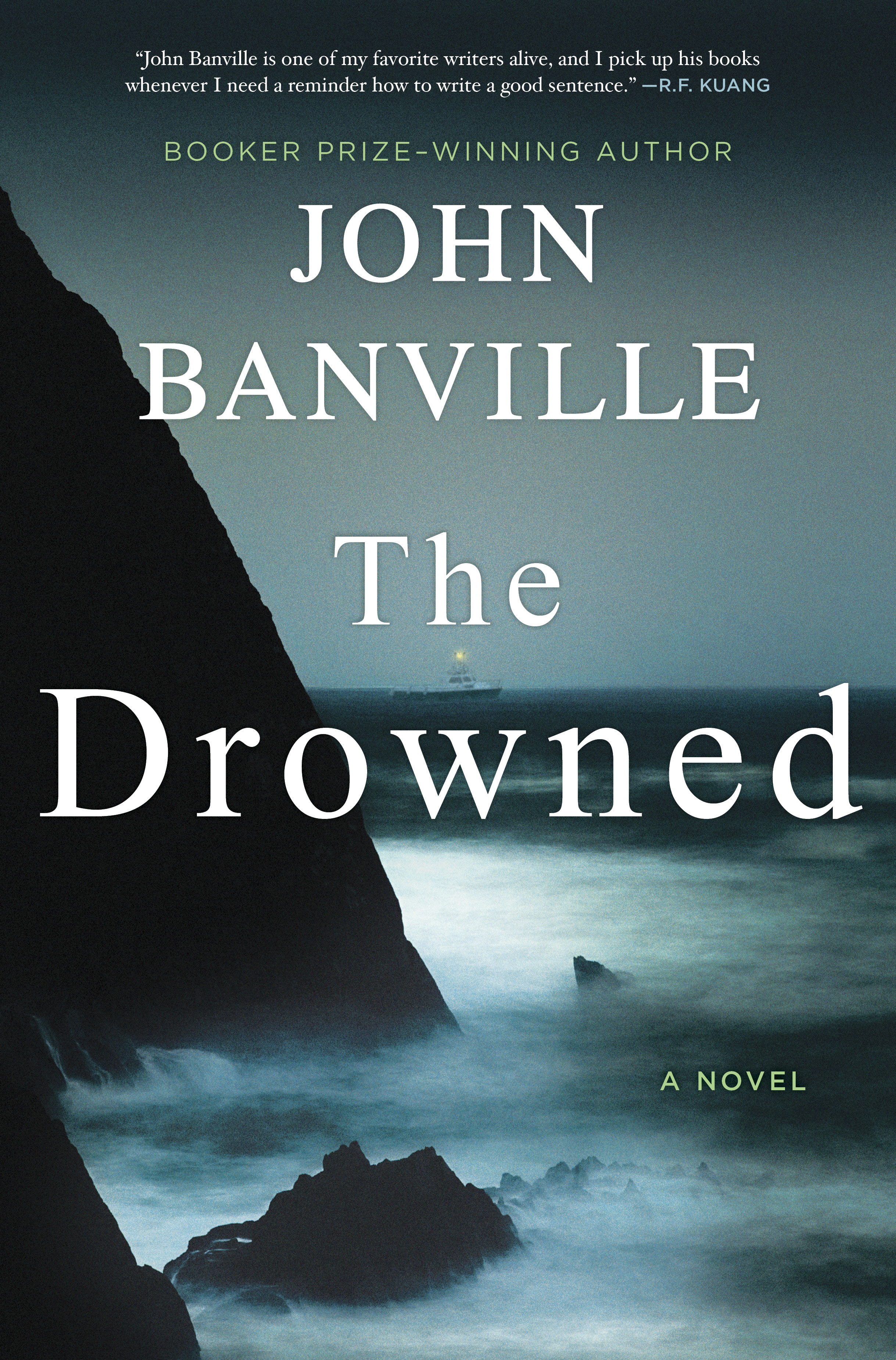
The Drowned
Book Description
Beneath the shimmering surface of a coastal town, secrets lurk like shadows waiting to emerge. When the body of a drowning victim washes ashore, echoes of the past collide with the present, unraveling lives intertwined by love, betrayal, and haunting regrets. Tensions rise as old wounds are reopened, forcing the townsfolk to confront their hidden truths. Relationships teeter on the edge, and the line between innocence and guilt blurs amidst the murky waters. What happens when the ghosts of yesterday refuse to stay buried? Prepare for a gripping tale that questions the very nature of memory and redemption. What will surface when the tide turns?
Quick Book Summary
Set against the atmospheric backdrop of a weather-beaten Irish coastal town, "The Drowned" by John Banville plunges readers into a world where the currents of history and memory pull at every character. The discovery of a body, washed up after a storm, reignites old tensions and unearths secrets that have been hidden beneath decades of silence. As local authorities investigate the suspicious circumstances of the drowning, personal histories and unresolved traumas rise to the surface. The entwined destinies of the townsfolk unfold through love affairs, betrayals, and long-held remorse. With Banville’s lyrical prose, the story explores the fragility of truth, the burden of guilt, and the possibility of redemption, making for a haunting and immersive literary mystery.





Summary of Key Ideas
Table of Contents
The Persistence of the Past
The novel begins with the unsettling discovery of a drowning victim on the shores of an Irish town still marked by its past. The identity of the deceased and the circumstances behind the drowning are shrouded in ambiguity, prompting an official investigation that draws in members of the insular community. Relationships and alliances within the town are swiftly revealed to be more complex than they appear, with old friends and lovers forced back into uneasy proximity. The rhythms of the sea, ever-present and symbolic, set the tone for a tale characterized by uncertainty and shifting loyalties.
Memory’s Unreliability and Redemption
As the investigation unfolds, the narrative weaves through various perspectives—each colored by memory, denial, and longing. Personal histories emerge, revealing decades-old romances, infidelities, and betrayals that have shaped the town’s collective conscience. Characters grapple with their roles in the town’s tragedies: some cling steadfastly to innocence, while others are consumed by guilt or desperate for forgiveness. The boundaries between victim and perpetrator, justice and revenge, become increasingly blurred as the townsfolk confront their shared past.
Love, Betrayal, and Hidden Regrets
Central to the story is Banville’s probing meditation on the nature of memory and truth. The narrative frequently slips between past and present, mirroring how old wounds and secrets cannot be cleanly separated from the day-to-day lives of the characters. Details of the original event, together with the new drowning, are subject to distortion and selective recall. As long-held secrets are revealed, each character must reconcile their recollections and mistakes, questioning whether genuine redemption is possible or desirable.
Community Secrets and Collective Guilt
Amid the suspense and gradual revelation of the town’s secrets, Banville delves deeply into the themes of love and regret. The drowning victim’s connection to multiple townsfolk forces them to relive moments of passion, abandonment, and heartache. The threat of exposure brings out both compassion and cruelty, as characters try to right past wrongs or protect their reputations. Family loyalties, generational divides, and the fear of public shame all play critical roles in the unfolding drama.
The Blurred Line Between Innocence and Guilt
By the novel’s close, the investigation into the drowning ultimately becomes a catalyst for broader reckoning within the community. The truth, when it finally surfaces, offers neither total closure nor condemnation. Instead, Banville leaves readers with an ambiguous sense of catharsis, where the tides of memory and forgiveness continue to ebb and flow. "The Drowned" stands as a masterful work of Irish literature, blending mystery and introspection to ask what it truly means to confront the ghosts of the past.
Download This Summary
Get a free PDF of this summary instantly — no email required.