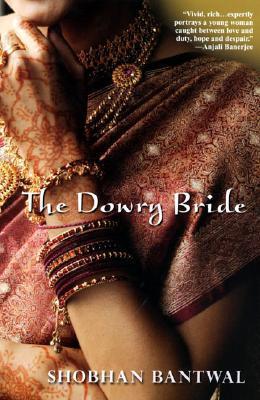
The Dowry Bride
Book Description
A wedding means celebration, but for one bride, it signifies a battle for survival. When a dowry demand spirals into a deadly ultimatum, the vibrant colors of her future are washed in shades of fear and desperation. Torn between tradition and her desire for freedom, she must navigate the treacherous waters of family loyalty, societal expectations, and personal ambition. With love hanging in the balance, will she dare to defy a tyrannical culture for a chance at true happiness? In a world where every choice could be her last, what sacrifices will she make to escape a life shackled by obligation?
Quick Book Summary
In "The Dowry Bride" by Shobhan Bantwal, Megha Joshi, a young woman from India, finds her arranged marriage thrust into turmoil when her husband's family, dissatisfied with her dowry, plots against her. On the brink of a violent fate, Megha escapes into the night, challenging the cultural norms that have chained her. Forced to survive without support and facing social ostracism, Megha is torn between tradition, loyalty, and her yearning for independence. As she takes refuge with Kiran, her husband's cousin, the story explores her struggle for autonomy, love, and safety. Set against the rich backdrop of Indian culture and customs, the novel illuminates the dark realities of dowry and offers hope in the power of self-determination and courage.




Summary of Key Ideas
Table of Contents
The Oppressive Weight of Tradition and Dowry
Megha Joshi’s life changes dramatically when, after only a year of marriage, she overhears a conversation revealing that her husband and mother-in-law intend to murder her for failing to meet their dowry demands. This shocking revelation transforms a life that seemed secure, if restrictive, into a nightmare. Megha’s narrow escape from her in-laws not only forces her to confront the grim realities of domestic life for many Indian women but also propels her onto a journey she never imagined, one that is fraught with both peril and a glimmer of hope.
Female Empowerment and Self-Discovery
Desperate and alone, Megha seeks refuge but is acutely aware of the dangers facing a woman with no family support in conservative Indian society. Help comes unexpectedly from Kiran, her husband’s gentle and compassionate cousin, who offers her sanctuary. The constant threat of discovery looms, but Megha’s resolve grows as she begins to realize the extent of her inner strength. The safety Kiran provides becomes a turning point, giving Megha a chance to rediscover her agency and envision a life shaped by her own choices.
Family Loyalty Versus Personal Freedom
Megha’s journey is as much about personal transformation as it is about survival. She must reconcile the values instilled in her by her upbringing—including loyalty to family and adherence to tradition—with her newfound desire for independence and happiness. As she adapts to her new circumstances, Megha confronts her fears and dreams, evolving from an obedient daughter and wife into a woman who dares to challenge the status quo. Her emotional resilience is tested by waves of guilt, isolation, and shame, but ultimately she nurtures a sense of self-worth.
Love and Trust in the Midst of Fear
Against the backdrop of her personal rebellion, Megha gradually develops a deep bond with Kiran. Their relationship stands out as an oasis of mutual respect and budding love in an otherwise threatening world. Kiran’s support not only helps Megha heal, but also offers both characters a chance to redefine their expectations of love—no longer confined to social prescriptions but grounded in personal connection. This romance, delicate and authentic, rejuvenates Megha’s faith in herself and in the possibility of happiness beyond social approval.
Societal Judgment and the Courage to Defy
"The Dowry Bride" concludes by questioning whether survival means simply escaping harm, or also forging a new path in defiance of oppressive traditions. Megha’s story is ultimately one of courage, where she must risk everything for the chance to build a life on her own terms. Her choices ignite the hope that even in the face of societal judgment, a woman can break free from cultural chains and shape her own destiny. Shobhan Bantwal’s narrative not only exposes the dire consequences of the dowry system but also celebrates the victory of personal determination and the indomitable human spirit.
Download This Summary
Get a free PDF of this summary instantly — no email required.