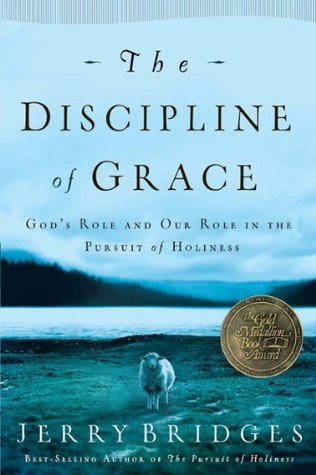
The Discipline of Grace: God's Role and Our Role in the Pursuit of Holiness
Book Description
Grace and discipline collide in a breathtaking journey toward holiness. In “The Discipline of Grace,” Jerry Bridges unveils the intricate dance between divine sovereignty and human effort, challenging every assumption about spiritual growth. With vivid insights and practical wisdom, this transformative guide navigates the complexities of faith, shedding light on how God’s unyielding grace empowers us to pursue a life of integrity and purpose. Each page bursts with revelations that promise to reshape perspectives and deepen convictions. What if the key to true freedom lies not in the absence of discipline but in the embrace of grace?
Quick Book Summary
In "The Discipline of Grace," Jerry Bridges masterfully examines the interplay between God’s unmerited favor and the believer’s responsibility in spiritual growth. Challenging the common misconception that discipline and grace are at odds, Bridges artfully demonstrates that true Christian transformation comes from embracing both. The book delves into the daily application of the gospel, emphasizing that believers are not only saved by grace but also live by it. By distinguishing between self-reliant effort and Spirit-empowered discipline, Bridges encourages a pursuit of holiness that is rooted in gratitude and dependence on God. Practical advice, scriptural insights, and personal anecdotes combine to offer readers a roadmap for growing in faith while continually relying on God’s abundant grace.





Summary of Key Ideas
Table of Contents
Grace as the Foundation for Spiritual Growth
Jerry Bridges opens the book by asserting that grace lies at the very heart of Christian living. He challenges readers to recognize that the same grace that offers salvation also empowers daily growth. This foundational understanding counters the tendency to view holiness as an achievement based on human merit, reaffirming that God’s unmerited favor is the starting point for every aspect of spiritual development. Bridges uses clear examples and scripture to reveal how Christians are both justified and sanctified through grace, inviting readers to rest not in their performance but in God’s persistent love.
The Necessity and Nature of Discipline in the Christian Life
Building on this foundation, Bridges highlights the importance of discipline—not as rigid rule-keeping but as intentional practices inspired by gratitude and guided by the Holy Spirit. He addresses common misconceptions about discipline, arguing that routine, effort, and self-control are not legalistic when rightly motivated. Through prayer, Bible study, and community involvement, Christians cultivate habits that position them to receive and respond to God’s continual grace, enabling long-term spiritual transformation.
The Ongoing Relevance of the Gospel
A key theme throughout the book is the ongoing relevance of the gospel. Bridges urges believers to preach the gospel to themselves daily, reminding them that Christ’s sacrifice covers all sin—past, present, and future. This practice grounds the believer in humility and gratitude, preventing both pride in achievement and despair over failure. Living out of this gospel-centered awareness provides hope, joy, and a renewed sense of purpose in the pursuit of holiness.
Balancing Personal Responsibility and God’s Sovereignty
The delicate balance between God’s sovereignty and human responsibility is another central topic. Bridges explores how God initiates and sustains spiritual growth, while believers are called to act intentionally. Instead of passivity or self-reliance, the Christian life is to be characterized by a cooperative partnership: God supplies the power, but individuals respond by cultivating habits and attitudes that foster holiness. Obedience and accountability become acts of faith, not attempts to earn God’s favor.
Applying Grace to Daily Struggles
Finally, Bridges offers practical guidance for applying grace amid daily struggles. He addresses issues like persistent sin, temptations, and discouragement, showing how a grace-driven perspective leads to resilience and hope. By internalizing God’s forgiveness and unconditional love, believers are equipped to face failures realistically and bounce back in faith. The book concludes by affirming that pursuing holiness is not burdensome when it is rooted in the joy and liberty of God’s grace, making spiritual discipline a response to love rather than a duty.
Download This Summary
Get a free PDF of this summary instantly — no email required.