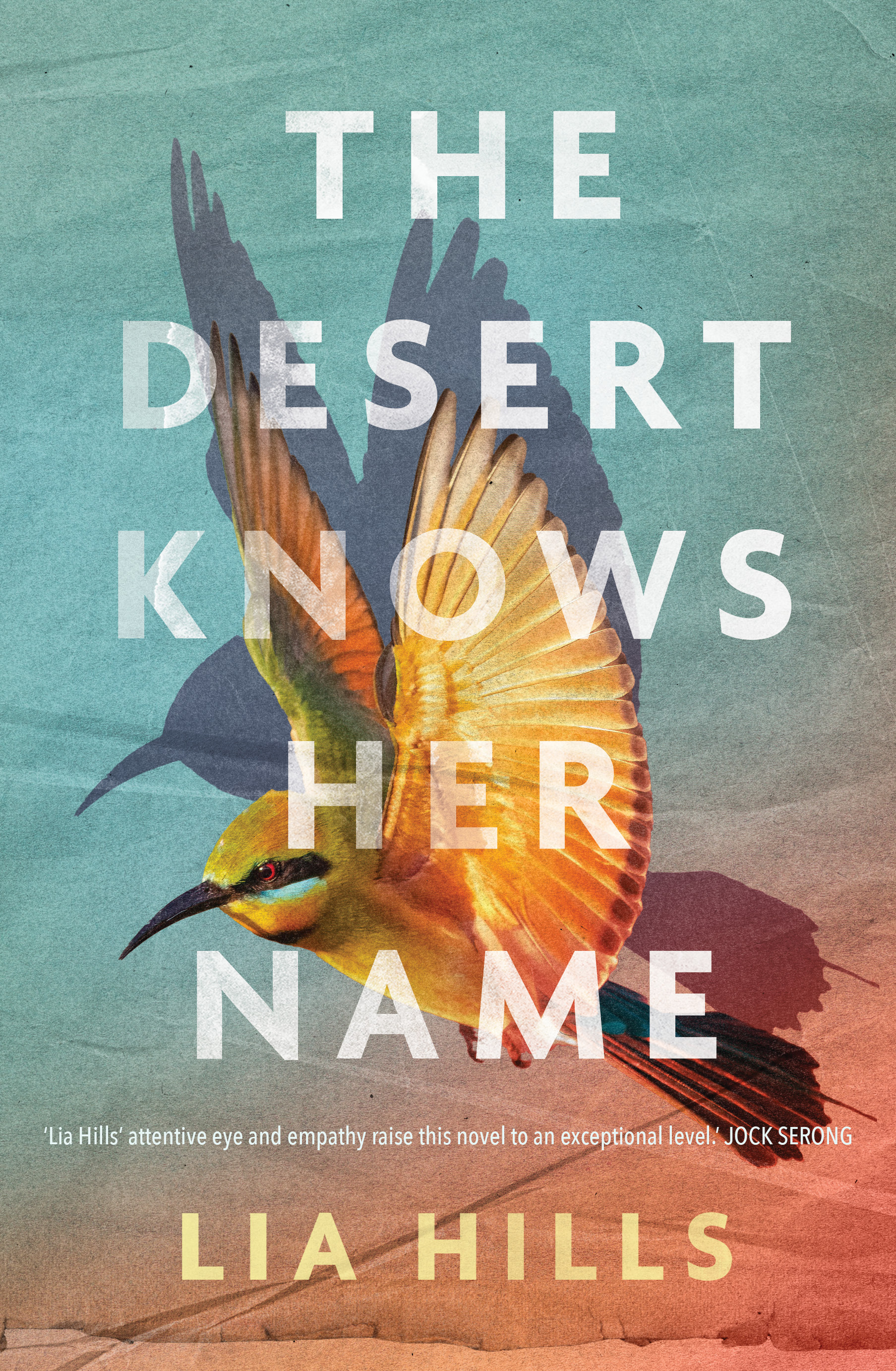
The Desert Knows Her Name
Book Description
A vast desert shrouded in secrets holds the key to a woman’s identity and her buried past. As the sun scorches the earth, she embarks on a journey of self-discovery, facing the ghosts of those she lost and the choices that haunt her. Every sandy mile uncovers intricate relationships and simmering conflicts, each twist tightening the grip of suspense. Will she reclaim her name and her sense of belonging, or will the desert’s truths consume her? Love, betrayal, and resilience collide in an epic tale—what will she sacrifice to find her true self?
Quick Book Summary
"The Desert Knows Her Name" by Lia Hills is a vivid historical novel set in the harsh, mesmerizing expanse of the Australian desert. The story follows a woman, tormented by loss and the shadows of her past, as she sets out alone into the vast, unforgiving landscape in search of her own identity. Each step stirs memories and confrontations with the ghosts that haunt her—family and friends lost, betrayals endured, and choices that cannot be escaped. Through evocative prose, the novel explores themes of belonging and alienation, the destructive secrets buried in history, and the strength required to face both internal and external wilderness. As layers of the desert and her past are peeled away, the protagonist is forced to choose whether to reclaim her name and her sense of home, or allow the relentless desert truths to define her fate. Lia Hills crafts a suspenseful tale about resilience, love, and the cost of self-discovery.




Summary of Key Ideas
Table of Contents
The Search for Identity and Belonging
A lone woman embarks on a determined journey into the heart of the Australian desert, a land both beautiful and threatening, shaped by centuries of secrets. As she travels, the landscape becomes a reflection of her inner turmoil—harsh, mysterious, and full of unspoken stories. The scorching sun and relentless environment force her to reckon with her physical and psychological endurance, drawing out memories she has long tried to bury. The desert’s silence intensifies her awareness, making each encounter and obstacle feel weighted with meaning and history.
Memory, Loss, and the Haunting Past
Her pilgrimage is driven by a desperate need to reclaim her identity, lost amid tragedy and betrayal. Memories of loved ones—those who vanished or were torn away—cling to her, transforming the desert into a living, breathing archive of her past. She faces not only external dangers but also the ghosts of her history: mistakes made, trust broken, and the unresolved grief that shapes her sense of self. The desert walk becomes a process of remembering and mourning, confronting the unresolved traumas that keep her from moving forward.
Nature as Both Adversary and Sanctuary
Throughout her journey, the protagonist encounters others who are also marked by the land—station owners, travelers, Indigenous custodians—each with their own narrative tied to the desert’s history. Interpersonal connections and simmering conflicts reveal the entwined nature of land, people, and story, highlighting the legacy of colonization, the cost of survival, and the power of cultural memory. The protagonist’s interactions teach her about community, forgiveness, and the limits of solitude, prompting moments of vulnerability and transformation.
Secrets, Betrayal, and Forgiveness
Secrets kept for generations begin to surface as she confronts her family’s complicated history and the truths buried beneath both sand and silence. Betrayals, once obscured, are brought to light in stark relief, threatening to unravel her sense of trust but also offering the possibility of reconciliation. Forgiveness—both of others and herself—becomes a central question, as does the courage to accept hard truths. In the crucible of the desert, she is challenged to let go of illusions and face reality, no matter how painful.
Resilience and Self-Discovery
In the end, the reclamation of her name and her place in the world requires a willingness to let the desert’s wisdom shape her. The journey through isolation, grief, and revelation transforms her, revealing unexpected reserves of resilience. By embracing vulnerability and accepting her history, she finds a path to belonging that neither erases the past nor denies its wounds. Lia Hills’ novel illuminates the complex interplay of land, memory, and spirit, offering a moving meditation on what must be sacrificed—and what can be gained—when we seek to truly know ourselves.
Download This Summary
Get a free PDF of this summary instantly — no email required.