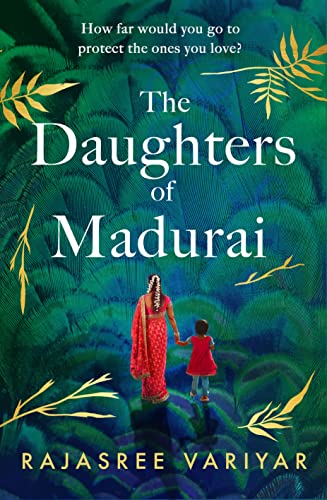
The Daughters of Madurai
Book Description
Beneath the vibrant streets of Madurai, where tradition clashes with ambition, two women navigate a world of secrets and sacrifices. Their lives intertwine in a gripping tale of resilience and betrayal, as they fight to reclaim their voices amidst a society that seeks to silence them. With every decision, the stakes rise, and the bonds of sisterhood are tested like never before. As danger looms and destinies collide, will they have the strength to break free from the chains of the past, or will the weight of tradition consume them? Who will emerge as the true daughter of Madurai?
Quick Book Summary
"The Daughters of Madurai" by Rajasree Variyar is a compelling historical fiction novel set against the bustling, tradition-steeped city of Madurai in India. It follows the intertwined lives of two women from different generations, both caught in the crosscurrents of rigid customs and their own desires for agency and freedom. Navigating the shadowed complexities of family, honor, and forbidden love, these women confront harrowing truths and betrayals. The story illuminates not only the suffocating weight of patriarchal norms but also the enduring strength and resilience that can rise in opposition. As destinies converge and secrets surface, the protagonists are forced to make choices that will determine the course of their lives, wrestling with whether to break the chains of the past or be subsumed by them.




Summary of Key Ideas
Table of Contents
Tradition Versus Ambition
Set in the vibrant, tradition-bound city of Madurai, the novel unfolds a dual narrative centered on two women connected by blood and circumstance. One is an older generation woman, molded by the entrenched customs of her time, while the younger protagonist struggles to assert her own identity in a world that often seeks to silence women. Their stories, though separated by time, resonate with universal themes of longing, rebellion, and endurance, highlighting how personal ambitions can both clash with and be shaped by cultural expectations.
Secrets, Sacrifices, and Silence
The women’s lives are built upon layers of secrets and painful sacrifices, each choice shadowed by the ever-present threat of societal censure. Their ability to keep or reveal these secrets becomes a matter of survival, as traditions dictate harsh repercussions for defiance. Betrayal emerges not only as a wound delivered by others but also as a byproduct of necessary self-preservation, weaving a narrative tension that propels the story’s emotional depth.
Sisterhood and Female Resilience
Central to the novel is the concept of sisterhood, both literal and metaphorical. The bonds between women are tested through trials of trust, jealousy, and love. This collective resilience, forged in silence and struggle, forms a counterpoint to the restrictions imposed from outside. It is within the solidarity—sometimes fraught, sometimes fiercely loyal—that the characters discover reserves of strength and hope for change.
Clash of Generations and Changing Roles
A poignant thread weaving through the story is the clash between generations. As younger women confront the roles prescribed by elders, questions of identity become tied to broader societal shifts. The generational conflict serves to explore evolving views on marriage, autonomy, and womanhood, providing a window into ongoing cultural negotiations in contemporary and historical India.
Breaking Free from the Past
At its core, "The Daughters of Madurai" is about the enduring fight to break free from the burdens of inherited trauma and rigid tradition. The narrative builds toward moments of choice and revelation, asking whether the characters can reclaim their voices and destinies. The outcome hinges on their willingness to challenge the expectations that have defined them, making it a story not only of pain and endurance but also of hope and transformation.
Download This Summary
Get a free PDF of this summary instantly — no email required.