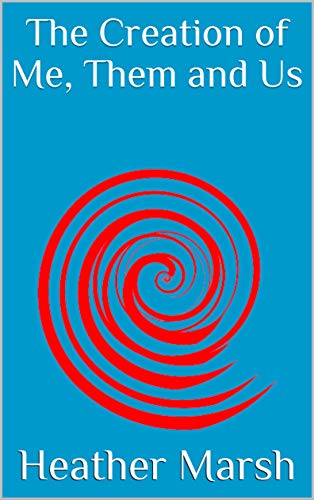
The Creation of Me, Them and Us
Book Description
In a world where identity is a battleground, the lines between self and society blur, igniting an explosive journey through the complexities of human connection. Heather Marsh delves into the chaos of belonging, weaving a tapestry of conflict and intimacy that grips the heart and tests loyalties. With every revelation, the stakes rise, as friendships are fractured, and alliances shift. Emotions run high as characters grapple with their truths in a society that thrives on division. Can love and understanding triumph over the forces that seek to tear them apart? What happens when knowing yourself means redefining those around you?
Quick Book Summary
"The Creation of Me, Them and Us" by Heather Marsh is a deep exploration of personal and collective identity, examining how social structures and psychological dynamics shape the boundaries between self and others. Marsh dissects the foundations of belonging and exclusion, probing the emotional and political landscapes that arise from the constant negotiation between individual autonomy and societal demands. The book questions how loyalties are formed, how conflicts emerge from cultural divisions, and whether empathy and understanding can transcend entrenched barriers. Through philosophical reflection, psychological insight, and political critique, Marsh challenges readers to reconsider the nature of truth, the allure of group identity, and the possibility for authentic connection in a fractured world.



Summary of Key Ideas
Table of Contents
The Construction of Identity and Boundaries
Human identity is not born in isolation but forged in relation to others and the groups to which we belong. Marsh explores how the concept of 'me' is constructed through social interactions, influenced by language, culture, and power structures. These elements define the psychological boundaries between self and others, creating both intimacy and alienation. The process of identity formation is continuous, shaped by the fluid interplay of internal desires and external pressures, leading individuals to both embrace and question their sense of self.
Belonging, Exclusion, and the Politics of Division
Belonging is a double-edged sword; while it offers connection and support within groups, it also demands conformity and the exclusion of outsiders. Marsh examines how social and political systems exploit the human need for belonging, manipulating group identities to foster division, competition, and even hostility. Through the enforcement of 'us versus them' narratives, societies often maintain control and perpetuate inequalities, heightening emotional tensions and threatening individual autonomy.
The Dynamics of Conflict and Loyalty
Conflict emerges naturally from these divisions, pitting loyalty to one group against empathy for others. Marsh scrutinizes the psychological mechanisms at play, highlighting how narratives of opposition and fear can fracture relationships and undermine trust. The shifting nature of alliances and the pain of broken bonds illustrate how deeply society embeds these divisions, yet they also offer opportunities for individuals to re-evaluate loyalties and seek common ground beyond imposed categories.
Redefining Truth and Understanding in a Polarized World
Central to resolving these challenges is the search for truth and understanding amidst polarization. Marsh encourages readers to question accepted narratives and look critically at the ways identities are constructed and manipulated. Drawing from philosophy and education, she argues that overcoming division requires embracing complexity, uncertainty, and empathy, recognizing the limitations of rigid worldviews and the importance of continual learning.
Paths Toward Authentic Connection
Ultimately, the book offers a vision for authentic connection in a world rife with misunderstanding and division. Marsh suggests that by acknowledging the artificiality of many boundaries, and by prioritizing love and understanding over fear and hostility, individuals and societies can move towards reconciliation. This requires courage, vulnerability, and a willingness to redefine what it means to be 'me,' 'them,' and 'us,' forging new pathways to shared humanity.
Download This Summary
Get a free PDF of this summary instantly — no email required.