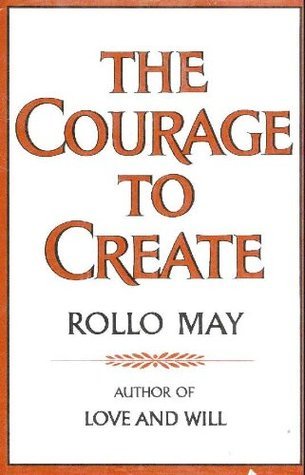
The Courage to Create
Book Description
Creativity isn’t just a skill; it’s a bold act of courage. Rollo May's "The Courage to Create" dives deep into the heart of artistic expression, exploring the fine line between vulnerability and strength. It reveals how the act of creation challenges conformity and ignites personal transformation. As May unveils the psychological battles every creator faces, the emotional stakes soar, creating a thrilling interplay between fear and freedom. Every page resonates with the urgent question: can the courage to create ultimately change the world, and what will you risk to unleash your true self?
Quick Book Summary
"The Courage to Create" by Rollo May delves into the psychological and existential dynamics of creativity, arguing that creative acts require courage in the face of fear, risk, and uncertainty. May draws from psychology, art, and philosophy to demonstrate that creativity is not merely a talent or skill but an essential act of self-expression and personal transformation. Through confronting anxiety and transcending conformity, individuals can unlock their creative potential, finding new meaning in life and contributing to societal change. May highlights how creativity involves both vulnerability and strength, as creators must navigate self-doubt and external pressures to pursue authentic expression. Ultimately, the book suggests that accepting the risks inherent in creativity is pivotal to realizing individuality and fostering innovation in both personal and collective contexts.



Summary of Key Ideas
Table of Contents
Creative Acts as Courageous Encounters
Rollo May begins by reframing creativity as an act requiring profound courage, not simply technical skill. He asserts that to create is to make something genuinely new, which means venturing into uncertainty and risking failure or rejection. This leap into the unknown is inherently anxiety-provoking, with every creator experiencing vulnerability as they challenge established norms. The drive to create, May contends, is fueled by an individual's commitment to self-actualization and a desire to shape the world through new ideas and perspectives.
The Relationship Between Anxiety and Creativity
May explores the interplay between anxiety and creativity, arguing that anxiety is an inevitable companion of the creative process. Rather than being a hindrance, anxiety can be a source of energy and motivation when acknowledged and harnessed constructively. The fear of criticism, insignificance, or personal inadequacy often produces inner conflict. May encourages embracing these emotions, insisting that they are signs of genuine creative engagement and essential to pushing creative boundaries.
Individual Authenticity Versus Conformity
A recurring theme is the tension between individual authenticity and societal conformity. May analyzes how social pressures and cultural norms can stifle innovative thought and discourage originality. Creative individuals must resist these external influences to remain true to their visions. May underscores that authentic creativity often invites misunderstanding or resistance, but it is precisely through grappling with societal norms that new ideas and artistic breakthroughs emerge.
The Transformative Power of Art and Expression
The book further highlights the transformative potential of art and self-expression. May suggests that engaging in creative acts not only enriches the creator's psyche but also offers audiences new avenues for experiencing reality and meaning. Artistic works become catalysts for personal and social transformation, connecting individuals across different walks of life. Creativity thus serves as a bridge between the inner world of the artist and the shared reality of the community.
Creativity as a Path to Personal and Societal Growth
In the concluding reflections, May expands on how creativity acts as a vital force for both personal and collective growth. By summoning the courage to create, individuals can overcome passive resignation, find deeper fulfillment, and inspire broader cultural evolution. May urges readers to confront the risks and uncertainties inherent in creativity, emphasizing that such courage is fundamental to self-discovery and the advancement of society. He ultimately portrays creative courage as both a deeply personal journey and a universal impetus for change.
Download This Summary
Get a free PDF of this summary instantly — no email required.