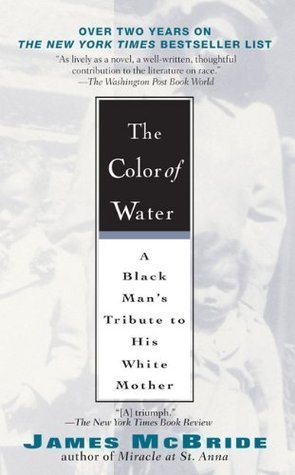
The Color of Water
Book Description
What defines a life when two worlds collide? In "The Color of Water," James McBride weaves a powerful tale of identity, race, and resilience as he unravels the gripping story of his white Jewish mother and her Black husband. Through heart-wrenching anecdotes and vivid memories, the complexities of love, belonging, and cultural conflict explode off the page. Each chapter peels back layers of pain and triumph, revealing how a family can transcend boundaries and spark hope. What would you sacrifice for the people you love the most, and can that love truly overcome the divides of society?
Quick Book Summary
"The Color of Water" is James McBride’s compelling memoir of discovery, identity, and racial legacy. Recounting the intertwined narratives of his own upbringing as a biracial child in a large, struggling Brooklyn family, and his mother Ruth’s life as the daughter of Jewish immigrants, McBride unearths the complexities of belonging in a racially divided America. Ruth's journey from a repressive Jewish household to marrying a Black minister and raising twelve children offers profound insights into resilience, sacrifice, and the meaning of home. Through alternating perspectives, the book delves into how Ruth’s defiance in pursuit of love and faith shaped her children’s destinies. Ultimately, James’s quest to understand his mother leads him to embrace the multiplicity of his heritage, celebrating both the burdens and beauties of a life between worlds.



Summary of Key Ideas
Table of Contents
The Search for Identity and Belonging
The memoir weaves together dual narratives: James McBride’s coming-of-age as the son of a Black minister and a white, Jewish mother, and the recollections of his mother, Ruth. As James grows up in New York City and later in Delaware, he encounters confusion and prejudice from society as he tries to reconcile two racial and cultural identities. Alternating between his own perspective and that of his mother, the book highlights the everyday realities and emotional struggles of living at America's crossroads of race, faith, and family.
The Power of Maternal Sacrifice
Ruth’s early life is marked by hardship. Raised by immigrant parents in the South, she endures her father’s cruelty and the constrictions of Orthodox Jewish life. Escaping to New York, Ruth breaks away from her family and faith, seeking acceptance and love. Her eventual marriage to a kind, Black musician is a courageous act in 1940s America and sets the stage for a household defined by resourcefulness, devout Christianity, and constant movement in pursuit of better opportunities for her children.
Navigating Race and Faith
James details the sacrifices Ruth makes to support her twelve children, insisting on education as the key to overcoming poverty and prejudice. Despite relentless financial and societal obstacles, Ruth’s unwavering faith and refusal to let her children dwell on hardship become the family's guiding force. Her efforts to shield them from racism and her own traumatic past are depicted with candor, revealing a woman whose resilience shapes her children's futures.
Resilience in the Face of Adversity
McBride’s search for self-understanding drives the memoir’s emotional heart. He probes his mother relentlessly for answers about her origins and identity, feeling both lost and empowered by his hybrid background. The emotional tension between James and Ruth—her reluctance to discuss race, her evasiveness about her past—mirrors the broader struggle for acceptance and meaning in a divided society, ultimately culminating in recognition and gratitude.
Transformation Through Education
The story closes with James making peace with his heritage. Through his journey to uncover Ruth's story, he comes to appreciate not only her endurance but also the transformative power of love between mother and child. "The Color of Water" stands as an ode to the strength that emerges from adversity, a meditation on identity and belonging, and a testament to how family can transcend the forces that seek to divide us.
Download This Summary
Get a free PDF of this summary instantly — no email required.