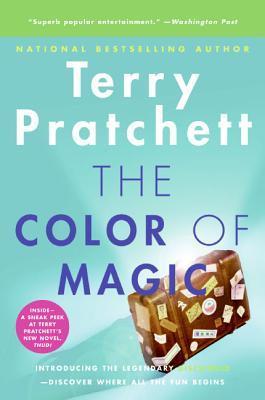
The Color of Magic
Book Description
In a world where magic is a measurable force, an utterly incompetent wizard and a reluctant tourist find themselves on a madcap adventure across the Discworld. As they encounter treacherous landscapes, dragon-riding heroes, and a dangerous specter of an ancient prophecy, their unlikely partnership is put to the ultimate test. Every spell cast leads to unexpected chaos, and each misstep threatens to unravel not just their lives, but reality itself. With time running out and a deadly pursuit hot on their heels, will they discover the true meaning of courage and friendship before the clock strikes doom?
Quick Book Summary
"The Color of Magic" introduces readers to Discworld, a flat world supported by four cosmic elephants standing on the back of Great A’Tuin, a gigantic turtle. In this comedic fantasy, the inept wizard Rincewind becomes an unwilling guide to Twoflower, Discworld’s first tourist, whose curiosity creates a trail of chaos. Accompanied by the magical and fiercely loyal Luggage, their journey spirals through crazed cities, encounters with trolls and dragon riders, and cliffhanger escapes. As Fate and Chance vie for influence, disaster follows every step. More than parody, the novel explores themes of courage, friendship, and the unpredictability of adventure, all served with Pratchett’s trademark wit and humor.



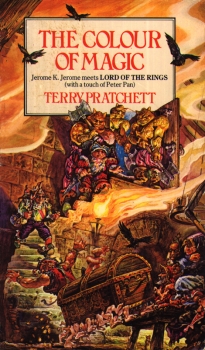
Summary of Key Ideas
Table of Contents
The Nature of Magic and Reality
The Discworld is an eccentric land where magic is quantifiable and reality is often stranger than imagination. Rincewind, a failed and cowardly wizard, is coerced into guiding Twoflower, a naive but eager tourist from the Agatean Empire. Twoflower’s arrival in Ankh-Morpork, Discworld’s chaotic capital, sets off a chain of absurd events—including a catastrophic fire—forcing Rincewind and Twoflower to flee with the mysterious, sentient Luggage in tow. Their exploits draw the attention of powerful beings, turning their adventure into a chessboard for gods where luck and fate are playfully manipulated.
Unlikely Friendships and Partnerships
As Rincewind and Twoflower’s partnership develops, Pratchett playfully subverts the archetype of the wise mentor and brave hero. Rincewind is neither brave nor wise, yet his reluctant acts of self-preservation sometimes accidentally benefit Twoflower, whose optimism is both perilous and endearing. Throughout their journey, the duo must learn to depend on one another’s radically different worldviews, highlighting the importance—and comedic pitfalls—of trust, camaraderie, and open-mindedness in overcoming adversity.
The Power of Story and Myth
Pratchett satirizes classic high fantasy conventions with pointed humor. The pair’s adventures parody the epic quests of heroes and wizards, presenting magic as unreliable and danger as constantly looming. Encounters with dragon-riders, ancient prophecies, and mythic beasts are portrayed through a lens of farce, undermining heroic stereotypes while celebrating the quirky unpredictability of adventure. This lampooning not only entertains but also reflects on the absurdity of narrative traditions in fantasy literature.
Satire of Fantasy Tropes and Adventure
At its core, the story intertwines myth and reality, showing how belief shapes existence on Discworld. Imaginary dragons exist because people believe in them; history and fate are bendable, determined as much by storytelling as by cosmic law. Through Twoflower’s naïve fascination and Rincewind’s world-weary skepticism, the book explores how perspective, myth, and narrative frame one’s experience of reality, often blurring the line between illusion and truth.
Facing Chaos with Humor and Bravery
Pursued by danger and manipulated by fate and chance, Rincewind and Twoflower must learn to face imminent doom with courage, wit, and a dose of humor. Their journey, while filled with bumbling missteps and larger-than-life trials, ultimately demonstrates the resilience found in friendship and the power to adapt when confronted by chaos. In the uproarious unraveling of their adventure, "The Color of Magic" entertains readers while inviting reflection on bravery, partnership, and the magic in embracing the unknown.
Download This Summary
Get a free PDF of this summary instantly — no email required.