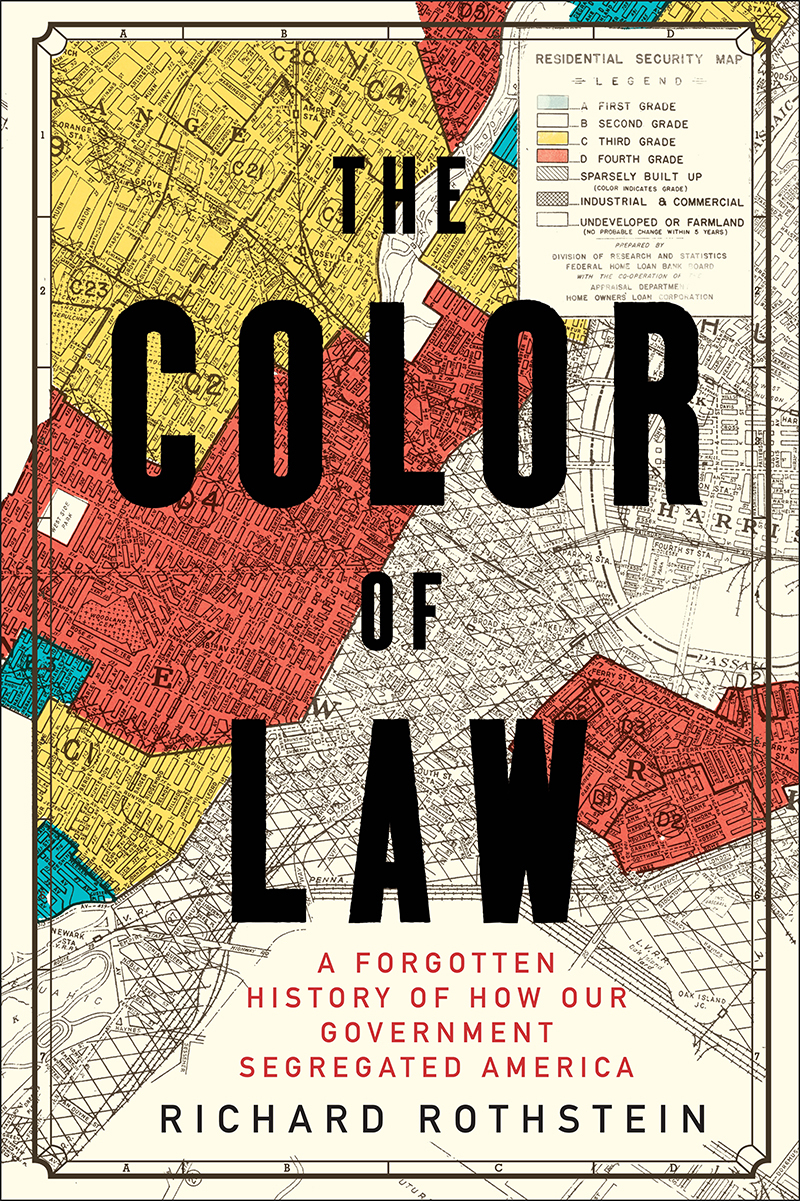
The Color of Law: A Forgotten History of How Our Government Segregated America
Book Description
A hidden blueprint for division lies buried in America’s history, shaping neighborhoods and lives. Richard Rothstein unveils the chilling truth about how government policies engineered racial segregation, locking countless families out of opportunity and fairness. Through stunning revelations, he exposes a systematic approach that transformed cities into bastions of inequality, igniting a powerful conversation about justice and belonging. With each page, the stakes rise and the emotional weight deepens, as the past's shadows loom large over the present. How can a society heal when the very ground its built on was designed to separate?
Quick Book Summary
In "The Color of Law," Richard Rothstein dismantles the widespread belief that American cities became racially segregated due to personal choices or informal practices. Instead, he uncovers an unsettling history of explicit, systematic government action—at all levels—that created and maintained racial divisions. Through extensive historical research, Rothstein demonstrates how laws, policies, and court decisions shaped neighborhoods, restricted African-Americans’ opportunities, and contributed to persistent wealth and achievement gaps. The book details the legacy of redlining, racially restrictive covenants, and public housing segregation, showing that segregation is not accidental but a product of deliberate decisions. Ultimately, Rothstein argues that real reform demands recognizing and confronting these governmental wrongs, making the case for robust remedies to meaningfully redress past injustices.




Summary of Key Ideas
Table of Contents
Government-Engineered Segregation
Rothstein opens by challenging the dominant narrative that racial segregation in the United States resulted mainly from individual prejudices or private actions. He provides compelling evidence that government at all levels—federal, state, and local—deliberately crafted and enforced policies to segregate communities. This intentional process shaped the racial geography of American cities, establishing entrenched patterns that persist today. The author insists that calling segregation "de facto"—as if it were accidental or natural—is misleading and historically inaccurate.
The Myth of De Facto Segregation
One major way governments enforced segregation was through housing policies and financial regulations. The Federal Housing Administration, for example, refused to insure mortgages in Black neighborhoods, while subsidizing suburban developments for whites only. Local governments passed zoning laws and enforced restrictive covenants that barred African-Americans from buying or renting in certain areas. These actions were not isolated, but coordinated efforts that created racial boundaries and limited economic mobility for Black families.
Policy Tools of Racial Exclusion
The consequences of state-sponsored segregation were profound and far-reaching. Rothstein details how these policies denied African-Americans the possibility of homeownership, which is a primary means of building intergenerational wealth in the U.S. The resulting wealth gap has had enduring impacts on health, education, and employment opportunities across generations. Segregation entrenched disadvantage and made upward mobility far more difficult for communities of color.
Socioeconomic Consequences and Lasting Inequality
Rothstein also examines the role of the judiciary and the limits of legal remedies. Court decisions often upheld discriminatory practices or failed to intervene meaningfully, reinforcing the racial divides established by policy. Public officials ignored or evaded desegregation mandates. As a result, the myth of "de facto segregation" hardened into accepted truth, reducing political will for rectifying the harm.
Implications for Justice and Remediation
Concluding, Rothstein argues that meaningful change requires acknowledging the government’s central role in fostering segregation. He advocates for robust remedies and broad public commitments to redress these injustices. The book serves as both a historical reckoning and a call to action, insisting that until this history is fully confronted and addressed, true racial equity in housing and beyond cannot be achieved.
Download This Summary
Get a free PDF of this summary instantly — no email required.