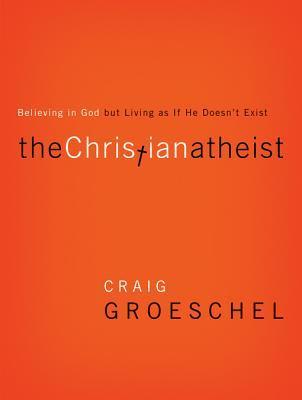
The Christian Atheist: When You Believe in God But Live as If He Doesn't Exist
Book Description
What happens when faith and daily life collide in a tension-filled struggle? In "The Christian Atheist," Craig Groeschel explores the haunting reality of believing in God yet living as if He doesn't exist. With powerful insights and raw honesty, Groeschel unravels the disconnect between faith and lifestyle, forcing readers to confront uncomfortable truths about their spiritual journeys. From the allure of a complacent existence to the transformative power of genuine belief, this compelling narrative prompts a soul-searching question: Are you truly living your faith, or merely going through the motions?
Quick Book Summary
"The Christian Atheist" by Craig Groeschel examines the troubling phenomenon of Christians who profess belief in God but live their daily lives without reflecting that faith. Groeschel identifies the common disconnect between intellectual agreement with Christian teachings and authentically living out those beliefs in practice. Drawing from personal experiences and real-life examples, he challenges readers to confront issues like complacency, fear, hypocrisy, and the struggle for control. The book encourages honest self-examination and offers practical guidance for bridging the gap between Sunday faith and everyday life. Ultimately, Groeschel calls for a more vibrant, consistent relationship with God that transforms both heart and behavior, urging readers to move beyond lip service and into genuine discipleship.



Summary of Key Ideas
Table of Contents
The Danger of Incongruent Faith
Craig Groeschel opens with a candid confession: it's possible to believe in God yet live as if He isn't present or relevant. Many Christians know the right doctrines but fail to apply them in their actions, relationships, and decisions. Groeschel terms this state "Christian Atheism"—the unsettling blend of public confession and private neglect. By sharing his personal moments of spiritual drift, he normalizes the struggle, inviting readers to join him on a journey toward a faith that permeates every aspect of life.
The Role of Authenticity in Spiritual Life
A significant emphasis in the book is placed on authenticity. Groeschel warns against the dangers of hollow religiosity—going through spiritual motions without allowing faith to change our hearts. He explains how honesty with God and oneself is crucial for spiritual growth. The book discusses common masks Christians wear, such as pretending to be fine when struggling, and advocates for vulnerability, which opens the door to real transformation and deeper relationships both with God and others.
Letting Go of Control and Trusting God
Control is another recurring theme. Many believers acknowledge God's sovereignty in theory but live anxiously, striving to manage every detail of their lives. Groeschel explores the roots of this tendency—fear, insecurity, and lack of trust. He offers biblical stories and personal anecdotes, highlighting the peace and strength found when surrendering control. The process involves daily, practical steps: prayer, accountability, and meditating on God's promises, all of which help cultivate true reliance on God rather than on oneself.
Overcoming Complacency and Hypocrisy
Complacency and hypocrisy present additional obstacles to authentic faith. Groeschel discusses how settling for half-hearted Christianity not only limits personal growth but also undermines the church's witness to the world. He challenges readers to examine where they've become spiritually stagnant, urging a move away from a comfort-driven faith. By engaging honestly with doubt and spiritual lethargy, believers can rekindle passion and authenticity, experiencing a faith that is active and outwardly expressed.
Embracing Life-Transforming Belief
Throughout the book, Groeschel offers hope and practical steps toward life-transforming belief. He champions spiritual disciplines—prayer, scripture study, community involvement—as means to cultivate a vibrant relationship with God. Concluding with an invitation to radical honesty and wholehearted commitment, Groeschel affirms that God desires more than mere belief; He seeks to shape our actions, priorities, and hearts. The book leaves readers with a clear call: shed the mask, embrace vulnerability, and let faith flourish in every area of life.
Download This Summary
Get a free PDF of this summary instantly — no email required.