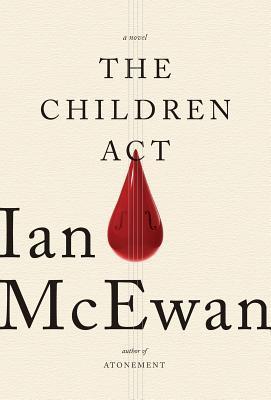
The Children Act
Book Description
When the law clashes with morality, lives hang in the balance. Fiona Maye, a revered High Court judge, faces a harrowing case involving a terminally ill teenager whose faith forbids medical treatment. Torn between her duty to uphold the law and her instinct to save a life, Fiona plunges into a labyrinth of ethical dilemmas, personal sacrifice, and unexpected passion. As tensions rise and the stakes become personal, she must navigate a world where every decision reverberates beyond the courtroom. Can one woman's choices alter the fate of a young soul, or will the weight of the law deliver a tragic verdict?
Quick Book Summary
"The Children Act" by Ian McEwan explores the intricate balance between law, morality, and personal conviction through the lens of Fiona Maye, a High Court judge specializing in family law. Fiona faces a particularly challenging case: Adam Henry, a bright seventeen-year-old with leukemia, is refusing a life-saving blood transfusion because of his Jehovah's Witness faith. As she deliberates whether to overrule Adam and his family's wishes in order to save his life, Fiona is also grappling with turmoil in her personal life, particularly her strained marriage. The novel delves into the complexities of judicial responsibility, the boundaries of compassion, and the subjective nature of justice. Ultimately, Fiona's decision reverberates deeply, forcing her—and the reader—to reconsider where duty ends and humanity begins.

Summary of Key Ideas
Table of Contents
Judicial Responsibility vs. Personal Conscience
Fiona Maye is a highly respected judge in the Family Division of the High Court, renowned for her measured intellect and sense of justice. When she is assigned Adam Henry's case—a seventeen-year-old Jehovah's Witness refusing a critical blood transfusion—Fiona is tasked with making a decision that pits the letter of the law against her own deeply held moral concerns. Her ruling, given Adam's near-adult status and the seriousness of his illness, requires her to weigh his religious autonomy with the state’s responsibility to protect a minor’s life.
Faith, Autonomy, and Parental Rights
At the same time, Fiona’s personal life is in disarray. Her husband Jack announces his desire to have an affair, challenging the equilibrium of their long marriage. Jack’s sense of unfulfillment and Fiona's dedication to her career create a rift that leaves her emotionally vulnerable. This personal turmoil runs parallel to Fiona's professional obligations, complicating her judgement and causing her to reflect on her own capacity for feeling and connection.
The Emotional Cost of Legal Decisions
The case with Adam goes beyond legal precedent. Fiona visits him in the hospital to better understand his true wishes, engaging in a profound and moving discussion about poetry, faith, and the meaning of life. This meeting significantly influences her decision, demonstrating the limits of objective judgment. Fiona ultimately rules in favor of the hospital, allowing the transfusion, and Adam’s life is saved—at least temporarily. The encounter leaves both Fiona and Adam changed, their lives intertwined by this pivotal moment.
Personal Crisis and Professional Detachment
After the case, Adam grows attached to Fiona, seeking her guidance and affection as he struggles to reconcile his religious identity with his survival. Fiona, however, maintains professional distance, wary of the boundaries she must uphold as a judge. The consequences of her decision become apparent as Adam’s crisis deepens, and Fiona confronts the reality that law can neither control nor predict the complexities of the human heart.
Consequences of Choice and Moral Complexity
The tragic resolution highlights the ambiguous power of the judiciary and the profound cost of moral decision-making. Fiona’s struggle illustrates the ways in which personal and professional spheres inevitably collide, and how choices made within the confines of law resonate far beyond the courtroom. In the end, “The Children Act” is a meditation on authority, empathy, and the human capacity for both damage and redemption.
Download This Summary
Get a free PDF of this summary instantly — no email required.