
The Causes of Wars
Book Description
What ignites the flames of conflict that ravage nations and reshape history? Michael Eliot Howard's "The Causes of Wars" delves into the tumultuous landscapes of human ambition, fear, and power dynamics, unraveling the threads that lead to devastating warfare. Each chapter unfolds like a battle scene, exploring the psychological and societal forces that propel men into chaos. From ancient rivalries to modern geopolitical strife, Howard illuminates the dark patterns and recurring themes that permeate the human experience. As the world teeters on the brink, one question lingers: Can understanding these causes finally pave the way for lasting peace?
Quick Book Summary
Michael Eliot Howard's "The Causes of Wars" offers a penetrating examination of the forces that precipitate armed conflicts across history. Rather than settling for simplistic explanations, Howard unpacks the complex interplay of psychological, political, economic, and social stimuli that drive nations to war. He explores how ambition, fear, shifting power balances, misunderstandings, and social pressures can escalate tensions and push societies over the edge into violence. By scrutinizing case studies from antiquity to the modern era, Howard lays bare not just why wars begin, but also why humanity seems perennially susceptible to repeating such devastating mistakes. Ultimately, the book suggests that understanding the multifaceted roots of war is crucial for crafting strategies to prevent future conflicts and achieve lasting peace.
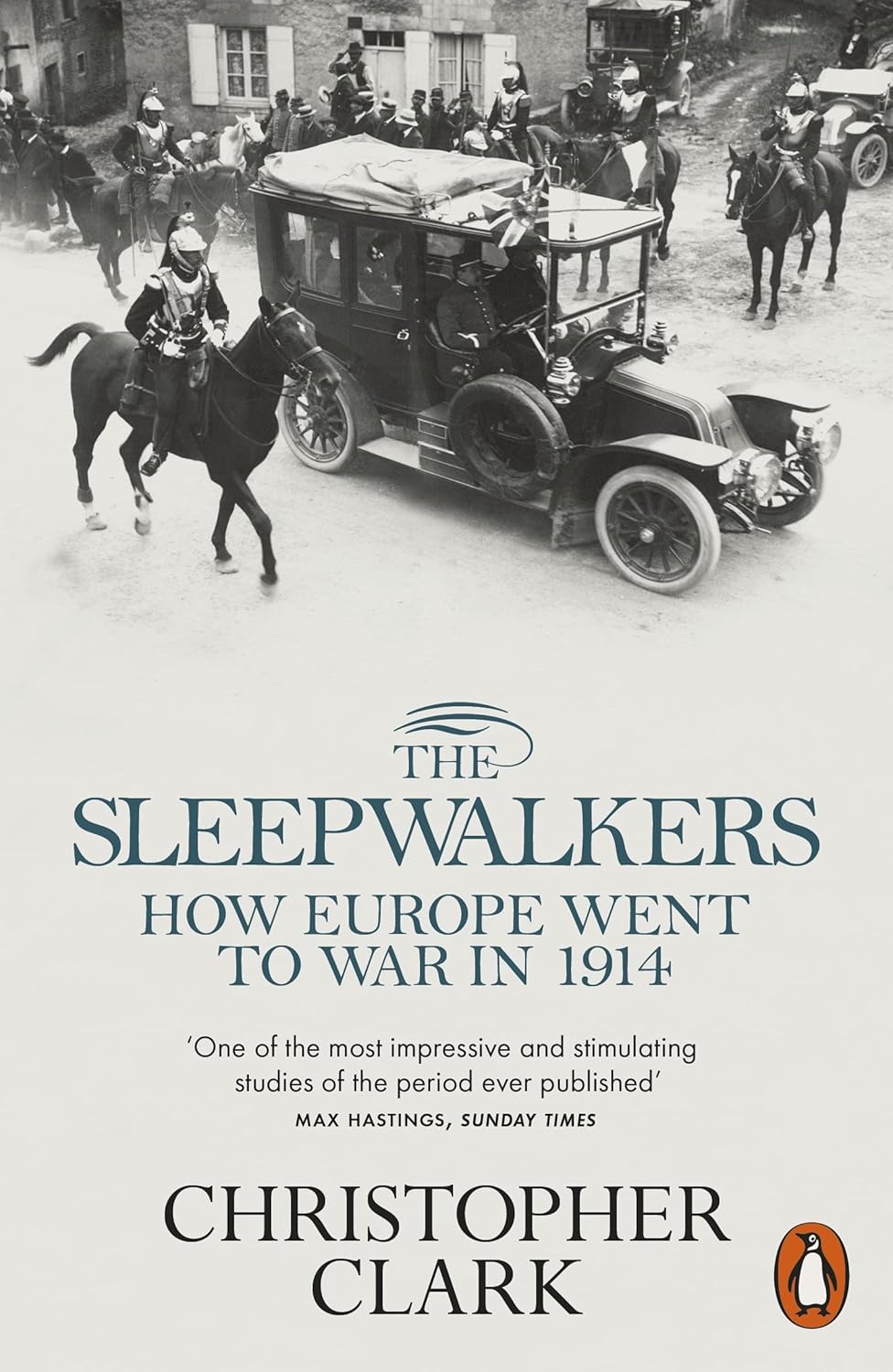
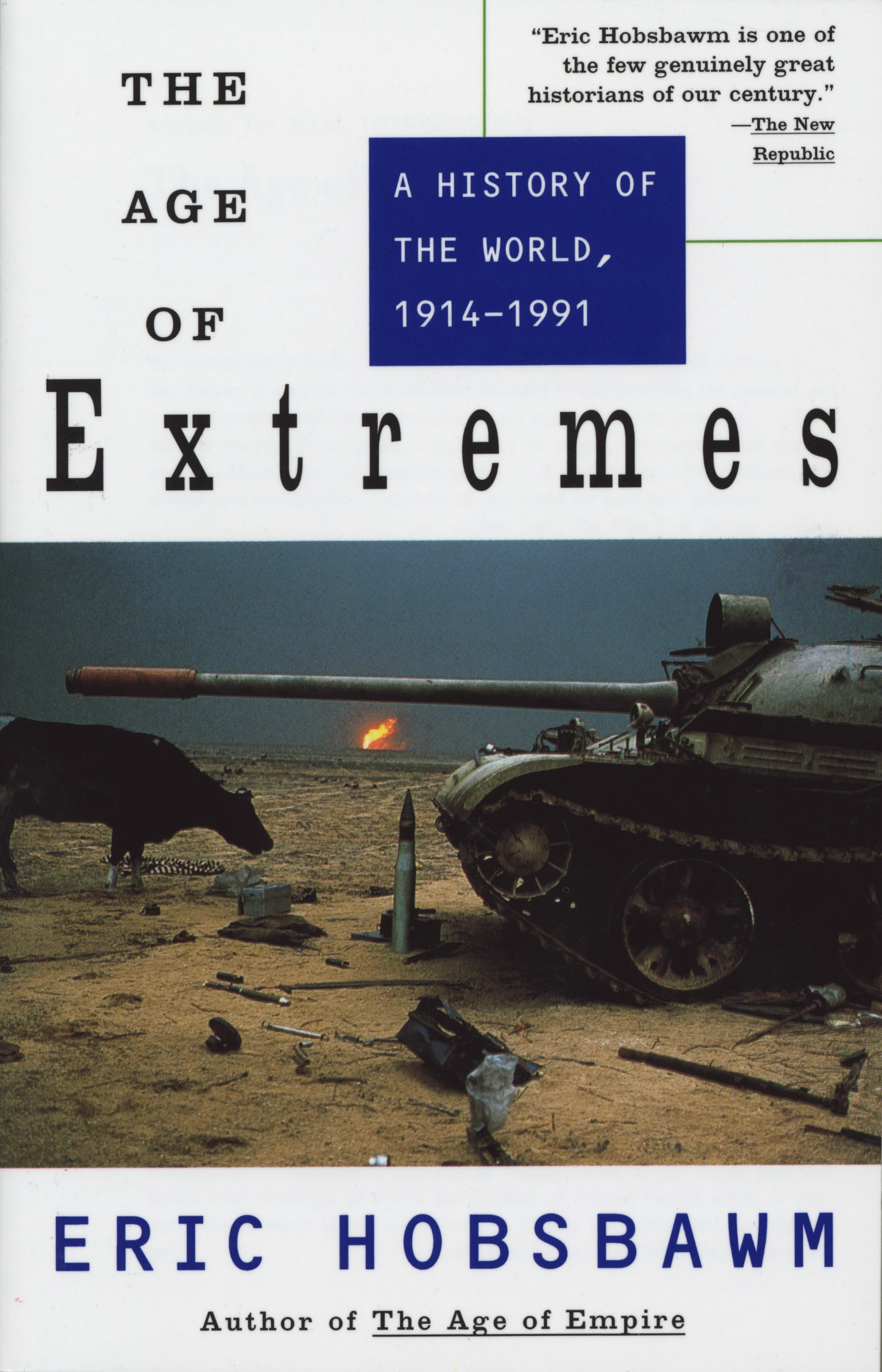



Summary of Key Ideas
Table of Contents
The Role of Human Nature and Psychology in Conflict
Michael Eliot Howard opens his analysis by delving into the persistent influence of human nature and psychology on conflict. He argues that primal emotions—ambition, fear, aggression, and insecurity—often underlie state behavior. These psychological impulses can be amplified by national pride or collective narratives, pushing leaders and populations towards confrontation. In this framework, war often appears less as a rational calculation and more as a product of enduring human instincts operating under historical pressures.
The Impact of Power Dynamics and Balance of Power
Building on this, Howard explores the critical role of power dynamics within the international system. He details how shifts in the balance of power—between rising and declining states—create anxieties that can spark competition, mistrust, and eventually war. The desire to prevent a rival's dominance or to shore up one’s own position may lead to preemptive strikes or alliances, creating a security dilemma where nations unwittingly escalate tensions through defensive measures.
Societal and Political Triggers of War
Societal and political triggers are examined as fertile ground for the outbreak of war. Howard investigates how internal instability, propaganda, economic stress, revolution, and the manipulation of public opinion can pressure governments into militarized responses. He discusses how leaders may exploit social unrest or externalize domestic problems through conflict, redirecting internal dissent towards external enemies.
The Influence of Misperceptions and Miscalculations
A significant portion of Howard’s thesis involves the dangers posed by misperception and miscalculation. Wars frequently result not from clear, deliberate decisions, but from failures in communication, intelligence, and judgment. These misunderstandings—whether deliberate or accidental—can cause crises to spiral out of control, as states act on erroneous assumptions about each other’s intentions, military capacity, or willingness to fight.
Possibilities for Conflict Prevention and Peace
Howard concludes with reflections on the possibility of preventing war and achieving peace. He argues that a nuanced, historically informed understanding of what causes wars is vital for effective diplomacy and policy-making. Mechanisms such as international law, conflict resolution frameworks, arms control, and improved communication between states are vital. However, he remains measured in his optimism, acknowledging that lasting peace requires both structural reform and transformation in human attitudes and institutions.
Download This Summary
Get a free PDF of this summary instantly — no email required.