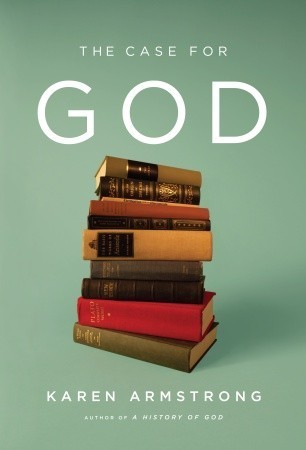
The Case for God
Book Description
What if the world's greatest minds converged to unravel the mysteries of faith? In "The Case for God," Karen Armstrong takes readers on a gripping journey through centuries of religious thought, exposing the intricate dance between belief and doubt, ritual and reason. As she navigates through ancient texts and modern challenges, transformative insights emerge, challenging the very foundations of spirituality. With compelling narratives and bold ideas, Armstrong ignites a profound conversation about the necessity of faith in an increasingly secular world. Can humanity reconcile the age-old quest for meaning with the relentless march of reason? Dive in and discover where they intersect.
Quick Book Summary
"The Case for God" by Karen Armstrong is a sweeping exploration of religious thought, tracing the evolution of humanity's spiritual quest from prehistoric times to modern secularism. Armstrong challenges modern notions of faith by examining how ancient traditions placed mystery, ritual, and unknowing at the heart of religious practice. Contrasting this with today's demand for empirical evidence and dogmatic certainty, she argues that much of the essence of faith has been lost. Drawing on history, philosophy, and theology, Armstrong shows that the world’s greatest religious minds embraced ambiguity and focused on transformative practice rather than literal belief. Ultimately, Armstrong advocates for a return to a more nuanced, open, and experiential understanding of religious life as essential for addressing the profound existential questions of human existence.

Summary of Key Ideas
Table of Contents
The Relationship Between Faith and Reason
Armstrong begins by exploring the complex interplay between faith and reason throughout history. She argues that ancient civilizations never intended for religious narratives to be factual or scientific explanations of the world. Instead, these myths and rituals offered frameworks for grappling with the mysteries and uncertainties of existence. The distinction between mythos (meaning) and logos (rational thought) was clearly understood, and both were considered necessary for a full human experience.
The Role of Myth and Ritual in Religion
The centrality of myth and ritual is highlighted as Armstrong delves into the ways ancient and medieval societies engaged with the sacred. Religious practices were not primarily about doctrinal belief but about participation in transformative rituals that evoked wonder and humility. Through art, music, and communal ceremonies, individuals internalized spiritual truths beyond the grasp of rational analysis. This experiential focus helped nurture ethical sensibilities and a profound respect for the unknown.
The Impact of Modernity and Secularism
As the Enlightenment unfolded, Armstrong describes how a radical shift occurred, emphasizing reason, empirical evidence, and individualism. Religion increasingly became entangled with the expectations of scientific proof, leading to a rise in literalism and fundamentalism as defensive responses. Secularism expanded, and traditional forms of faith were often derided as unscientific or irrational, placing believers on the defensive and reducing religious experience to dogma or superstition.
The Necessity of Mystery and Unknowing
Armstrong insists that mystery, doubt, and unknowing have always been central to authentic religious life. Theologians, mystics, and philosophers from various traditions embraced paradox and acknowledged the limitations of human language in expressing the divine. Religious maturity, she argues, involves acceptance of ambiguity and a commitment to spiritual practices—such as compassion and self-transcendence—that foster personal and communal transformation.
Reclaiming Spiritual Practice in Contemporary Life
In conclusion, Armstrong advocates for a renewed approach to religion in contemporary life—one that honors the original intent of spiritual traditions to cultivate moral growth and wisdom rather than offer rigid answers. By reclaiming the value of ritual, embracing mystery, and relinquishing the need for certainty, humanity can pursue deeper meaning and connection, integrating both faith and reason in addressing the existential challenges of the modern world.
Download This Summary
Get a free PDF of this summary instantly — no email required.