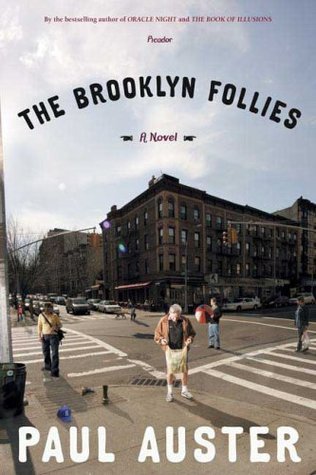
The Brooklyn Follies
Book Description
A dying man seeks refuge in the vibrant chaos of Brooklyn, but what he discovers is a web of unexpected connections that could ignite a new purpose—or lead to ruin. Each character he encounters carries their own secrets and dreams, weaving a tapestry of hope, despair, and redemption. As their lives intertwine, the stakes rise, and a single choice could change everything. Amidst the backdrop of a city teeming with life, can one man's last shot at happiness reveal the true meaning of legacy? What happens when the follies of life lead to the most profound revelations?
Quick Book Summary
"The Brooklyn Follies" by Paul Auster follows Nathan Glass, a man in his sixties recovering from cancer and estranged from his family, as he seeks solace in Brooklyn. Hoping only for peace and a quiet end, Nathan unexpectedly finds himself drawn into a vibrant network of lives after reconnecting with his estranged nephew, Tom. As Nathan encounters a cast of unique characters—each burdened with their own secrets, disappointments, and hopes—his life takes unforeseen turns. The intertwining stories of redemption, serendipity, and renewal offer Nathan and those around him a second chance. Amid everyday follies and unexpected joys, the novel explores the fragile nature of happiness and the immense power of human connection and compassion.


Summary of Key Ideas
Table of Contents
Searching for Meaning at Life's End
Nathan Glass, a recently-divorced cancer survivor in his sixties, arrives in Brooklyn seeking anonymity and peaceful resignation from a life full of disappointments. Carrying bitterness and a sense of weariness, Nathan wants only to observe life from a distance, assembling stories for what he calls his "Book of Human Folly." However, the vibrant energy of Brooklyn and the unexpected reappearance of his nephew, Tom, begin to draw him back into engagement with the world.
Redemption and Second Chances
Tom, once a promising student, is now disillusioned and lost, working a dead-end job in a secondhand bookstore. As Nathan reconnects with Tom, he becomes entangled in his nephew's struggles, discovering that personal despair can sometimes be eased through the simple act of companionship and mutual support. Their growing bond gradually reignites hope in both men. Together, they navigate a makeshift family of oddball characters, including Harry Brightman, an enigmatic bookstore owner with a mysterious past, and a mute little girl named Lucy, whose sudden arrival catalyzes further transformation.
Serendipity and the Web of Human Connection
Each character Nathan meets bears their own wounds, failed ambitions, and hidden dreams. The narrative unspools through intertwined vignettes, showing how individuals are shaped by trauma and hope alike. As Nathan and Tom take Lucy under their care, they confront secrets, confrontations with past mistakes, and moments that force them to reevaluate their purposes. The characters' follies—both tragic and comic—reveal the tender vulnerabilities underlying routine existence.
Secrets, Trauma, and Personal Transformation
Brooklyn itself acts as a character, a bustling and chaotic backdrop that fosters random encounters and genuine connection. The neighborhood's multicultural vibrancy and potential for reinvention grant Nathan, Tom, and their makeshift family the opportunity to heal and start anew. Relationships deepen not in spite of, but often because of, their messiness and unpredictability—a testament to the unexpected gifts life can offer.
Brooklyn as a Catalyst for Change
Ultimately, "The Brooklyn Follies" is a meditation on the possibility of redemption at any age. As Nathan finds himself unexpectedly embroiled in the lives of others, he discovers a renewed sense of purpose and belonging. The meaning of legacy shifts: it is not found in grand gestures, but in small acts of kindness, moments of understanding, and the courage to embrace life’s uncertainties. Auster’s novel affirms that even against the backdrop of endings, joy and transformation are possible, if one is willing to embrace the folly of hope.
Download This Summary
Get a free PDF of this summary instantly — no email required.