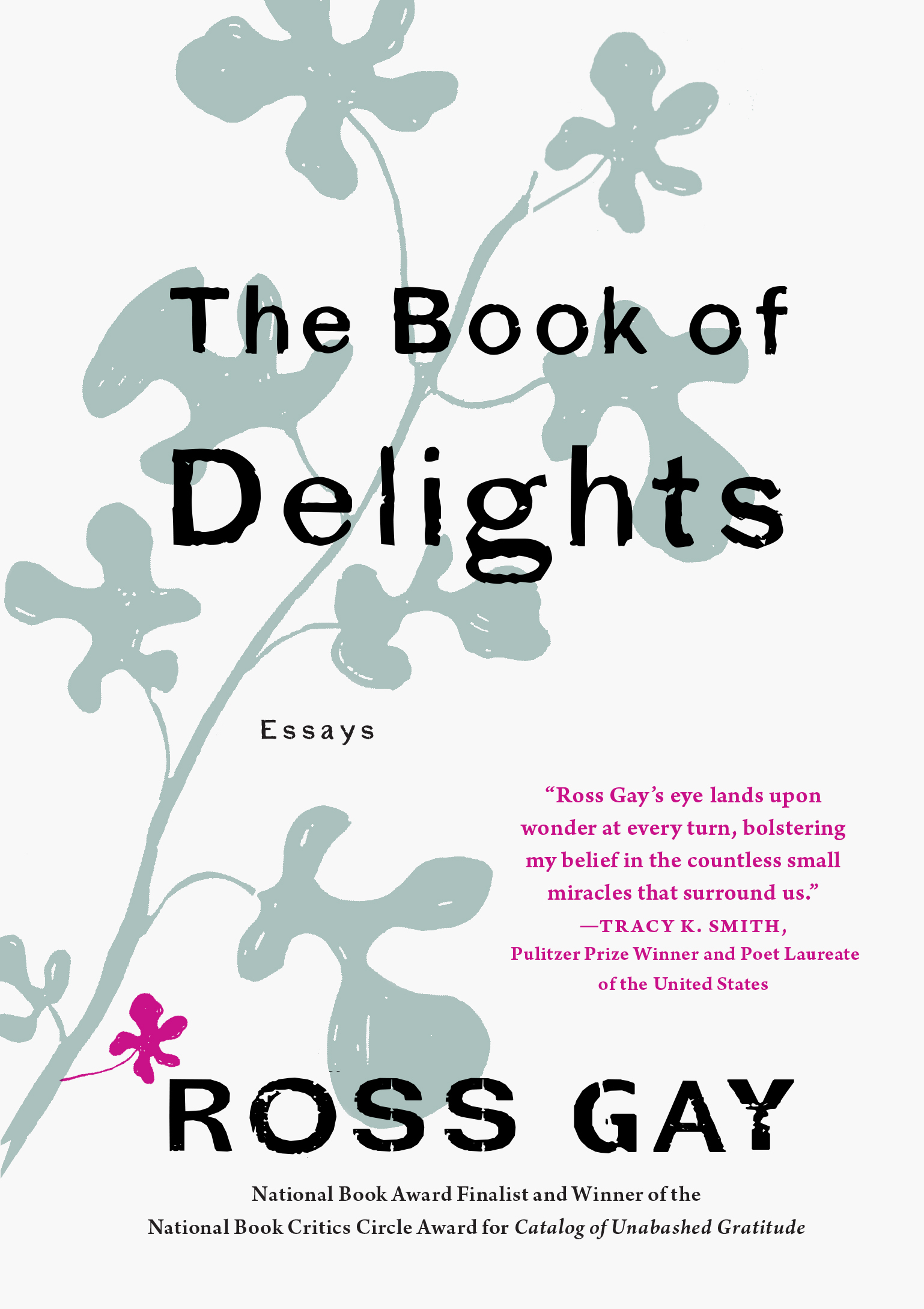
The Book of Delights: Essays
Book Description
Imagine a world where joy and gratitude emerge from the mundane. In "The Book of Delights," Ross Gay captures fleeting moments of beauty—a flower blooming, laughter shared, the warmth of a sunset—transforming everyday experiences into profound revelations. Each essay is a vibrant snapshot that ignites a celebration of life's small wonders, urging every reader to pause and appreciate the ordinary. With a radiant prose that dances between humor and reflection, Gay's words invite a deeper connection to joy in the most unexpected places. What delights are hiding in your daily routine, waiting to be discovered?
Quick Book Summary
"The Book of Delights" by Ross Gay is a luminous collection of short essays chronicling a year of searching for, recognizing, and savoring life's small joys. With poetic prose, Gay elevates everyday experiences—whether it’s the exuberance of eating a fresh fig, the kindness of strangers, or the memory of a loved one—into moments of profound revelation. Written over the course of one year, each entry serves as both diary and meditation, coaxing readers to notice and celebrate wonders often taken for granted. Interweaving humor, introspection, and social commentary, Gay crafts not only a testament to gratitude but also a subtle call to resist despair with delight. Ultimately, the book is a love letter to the ordinary, beckoning us to linger within the beauty of the mundane and to let small pleasures transform our perspective.




Summary of Key Ideas
Table of Contents
Finding Delight in the Ordinary
Ross Gay’s "The Book of Delights" is born from a simple yet transformative project: to write a daily essay about something delightful for a year. This practice forms the backbone of the book, turning the act of noticing delight into a deliberate ritual. Gay’s essays emerge from this intentional search, illuminating how small pleasures—like the first flower bloom in spring or the satisfaction of digging in a garden—can be a source of solace and wonder. By focusing on the everyday, Gay models how delight becomes more visible through mindful attention.
The Practice of Attention and Mindfulness
At the heart of these essays lies the theme of interconnectedness. Gay repeatedly highlights how delight is often found in relationships, fleeting moments with strangers, or communal experiences. He celebrates small acts of kindness, shared laughter, and the ways people move in harmony through public spaces. The essays underscore that joy is not just an individual pursuit but a shared, sometimes communal, phenomenon nurtured by empathy and connection.
Delight as Resistance and Healing
Yet, Gay does not shy away from complexity. The essays acknowledge personal and societal pain—racism, grief, and loss—suggesting that true delight persists alongside hardship, not in spite of it. In these moments, he explores how joy can be an act of resistance, a way to claim space for beauty and care in a world often shadowed by difficulty. Gay’s reflections insist that delight does not deny sorrow but rather coexists with it, offering a nuanced understanding of the emotional spectrum of daily life.
Interconnectedness and Community
The book also explores the power of language and observation. Gay’s poetic, sometimes playful style draws readers into closer contemplation of the world’s textures. His prose encourages a meditative approach to experience, inviting us to pause, notice the overlooked, and nurture a sense of gratitude. Through wit and curiosity, Gay demonstrates how language can sharpen our senses, enabling us to savor delight more fully and to record it meaningfully.
The Complexity of Joy
Ultimately, "The Book of Delights" is both a memoir and a gentle manifesto. Gay’s cumulative essays construct a worldview in which attention and gratitude act as tools for transformation. He suggests that by seeking out the beautiful and the good, especially in difficult times, we can foster resilience and a renewed appreciation for life. The book becomes an invitation to readers: to notice, to delight, and to cherish the ordinary as a fertile ground for wonder and connection.
Download This Summary
Get a free PDF of this summary instantly — no email required.