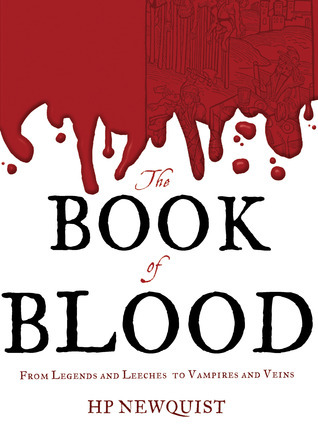
The Book of Blood: From Legends and Leeches to Vampires and Veins
Book Description
Blood runs deeper than myths in "The Book of Blood: From Legends and Leeches to Vampires and Veins" by H.P. Newquist, an exhilarating exploration of humanity's eternal obsession with life's most mysterious liquid. Dive into the shadowy realms of folklore, where ancient legends meld with modern science, revealing the secrets and superstitions that have haunted civilizations for centuries. Discover tales of treachery, survival, and the raw power of blood that enthralls both the curious and the fearful. With each page, a pulsating adventure unfolds—can you handle the truth behind the myths, or will the darkness consume you?
Quick Book Summary
"The Book of Blood: From Legends and Leeches to Vampires and Veins" by H.P. Newquist is a captivating nonfiction work that explores humanity's complex relationship with blood. Blending history, science, and mythology, the book traces how society’s understanding of blood has evolved from ancient superstitions to modern science. Readers journey through the age-old fears and fascination blood has inspired, examining its significance in medical breakthroughs, folklore, rituals, and legends. Targeted at middle grade and teenage readers, Newquist’s writing balances accessible science with thrilling tales of vampiric creatures, historical cures, and mysterious diseases. The book uncovers why blood has been a source of both terror and hope, demonstrating how our perceptions of blood are deeply rooted in cultural and scientific history.



Summary of Key Ideas
Table of Contents
Blood in Mythology and Superstition
From ancient times, humans have been both fascinated and mystified by blood. Myths and legends from cultures around the world attribute supernatural powers to blood, seeing it as the essence of life or even a magical substance. These stories fueled rituals and beliefs, ranging from offerings to gods to superstitions about vampires and creatures that drank blood for immortality. Such tales reveal how deeply blood has been embedded in cultural consciousness, shaping societies’ understanding of life and death.
The Science and Biology of Blood
As centuries passed, curiosity about the body led to scientific investigations. Advances in biology unraveled the true nature of blood, revealing its role in sustaining life through the circulation of oxygen and nutrients. Early medical thinkers, often limited by myth and limited technology, speculated widely about blood’s purpose. However, as microscopes and dissections provided clearer insights, the importance of blood to health and disease became undeniable, leading to better medical practices and breakthroughs.
Historic Medical Practices and Discoveries
Ancient and medieval medical practices involved leeches, bloodletting, and often hazardous procedures based on inaccurate theories. Despite the risks, these methods persisted for centuries, influenced by both tradition and a lack of scientific knowledge. Not until the eighteenth and nineteenth centuries did experiments and discoveries—such as understanding blood circulation, identifying blood types, and discovering germs—transform medicine. These developments paved the way for lifesaving procedures like transfusions and advanced surgeries.
Blood in Folklore and Popular Culture
Blood’s allure also persists in folklore and stories—vampires, monsters, and heroes linked to blood-based rituals. Popular culture is rich with tales that blur the line between fear and fascination, from Bram Stoker’s "Dracula" to modern horror and superhero narratives. Such stories reflect enduring questions about mortality, immortality, and the very nature of humanity, showing how blood remains a powerful symbol in storytelling and collective imagination.
The Ongoing Scientific Search and Social Significance
Even today, blood’s significance stretches from medical advancements to social and ethical questions. Research into blood diseases, genetic markers, and transfusions continues to save lives and challenge our understanding of health. Socially, blood is tied to concepts of kinship, identity, and prejudice. "The Book of Blood" illustrates how society’s ongoing efforts to unravel the mysteries of blood mirror our broader quest to understand life, death, and what it means to be human, blending scientific discovery with human curiosity and fear.
Download This Summary
Get a free PDF of this summary instantly — no email required.