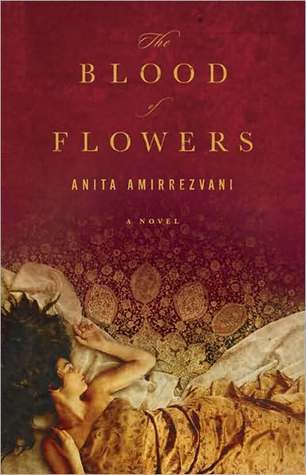
The Blood of Flowers
Book Description
Amidst the vibrant tapestry of 17th-century Persia, a young girl’s dreams shimmer with the potential of intricate carpets, yet fate weaves a different pattern. As she navigates the turbulent waters of love, betrayal, and the fierce expectations of her family, she becomes embroiled in a desperate struggle for independence. The allure of a forbidden romance draws her deeper into a world where beauty and danger intertwine, threatening to unravel everything she holds dear. Will she seize her destiny or be consumed by the very fabric of her life? In a land where fate hangs by a thread, what sacrifices must she make to truly be free?
Quick Book Summary
"The Blood of Flowers" by Anita Amirrezvani is an evocative historical novel set in 17th-century Persia. It follows the journey of an unnamed young woman whose life changes dramatically after her father's sudden death. Faced with poverty, she and her mother move to Isfahan, the city of her uncle, who is an accomplished carpet designer. As she learns the intricate art of carpet making, the protagonist battles societal expectations and familial pressures. A forbidden romantic encounter threatens her reputation, setting her on a path of hardship and self-discovery. Through perseverance, creative talent, and resilience, she challenges traditional gender roles, ultimately seeking independence and a sense of self-worth in a world where a woman's fate seems predetermined.



Summary of Key Ideas
Table of Contents
Women's Agency and Independence in Patriarchal Society
The novel opens in a rural Persian village, where the protagonist lives with her loving parents. Her idyllic world is shattered by her father’s untimely death, plunging her and her mother into financial instability. Lacking a dowry, the protagonist's prospects for marriage fade, prompting them to seek the aid of her mother’s half-brother, Gostaham, in the imperial city of Isfahan. Here, the lush details of 17th-century Persian society—its customs, class dynamics, and art—enrich the narrative, immersing the reader in a setting where tradition and ambition collide.
Art, Craftsmanship, and the Role of Carpets
Arriving in Isfahan, the protagonist and her mother are treated as burdens by Gostaham's wife, Gordiyeh. Yet, amidst hostile domestic politics, the protagonist’s creative spirit flourishes as she apprentices in her uncle’s carpet workshop. Her innate artistic talent emerges, kindling hopes for a future that defies her reduced status. The world of Persian carpet-making becomes a crucible for her self-expression and a means of aspiring to autonomy. Through this craft, she not only finds purpose but also dares to envision a life beyond the roles prescribed for women of her time.
Love, Betrayal, and Personal Growth
A pivotal turning point arises with a sigheh, or temporary marriage, arranged for economic survival. The protagonist enters a brief but passionate relationship with a wealthy young man, Fereydoon. The encounter brings moments of happiness but also heartbreak and social peril. When the arrangement ends, its emotional and societal repercussions threaten her tenuous place in her uncle’s household. Betrayed by both Fereydoon and her family’s rigid expectations, she faces ostracism and despair.
Family Duty versus Personal Desire
Rather than succumbing to her losses, the protagonist draws strength from remembered stories, resilience, and her craft. Folk tales and traditional narratives interwoven through the book serve as moral anchors and sources of wisdom, guiding her as she rebuilds her self-worth. The lessons gleaned from these stories embolden her to assert her agency, even as she endures further hardship and prejudice. Her perseverance and artistic achievements ultimately pave the way for a new beginning.
The Significance of Storytelling and Folklore
By the novel's end, the protagonist emerges as a symbol of autonomy and creative power, daring to shape her own destiny. Claiming ownership of her work and her future, she steps into a life defined not by fate or family pressure, but by her own talents and determination. "The Blood of Flowers" renders a vibrant portrait of a woman’s journey to selfhood against the backdrop of Persian history, artistry, and the ongoing struggle for female independence.
Download This Summary
Get a free PDF of this summary instantly — no email required.