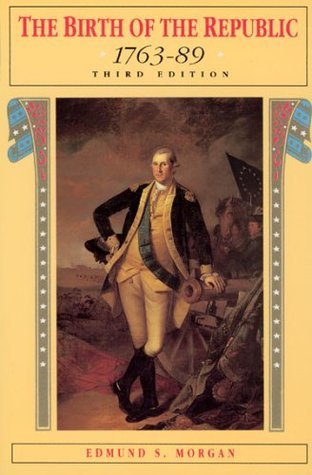
The Birth of the Republic, 1763-89
Book Description
Amidst the chaos and clamor of revolution, a fledgling nation dared to defy an empire. In "The Birth of the Republic, 1763-89," Edmund S. Morgan captures the fierce struggle for independence that ignited a passionate quest for freedom and self-governance. From radical ideas sparked in taverns to fiery debates in hallowed halls, the clash of ideals shapes a momentous era. The stakes are high as leaders emerge, alliances shift, and societies clash. United by a dream yet torn by conflict, what price will they pay for liberty? Can they create a new destiny, or will they be lost to history?
Quick Book Summary
"The Birth of the Republic, 1763-89" by Edmund S. Morgan is a concise yet illuminating exploration of the origins of the United States, tracing the arc from colonial unrest to the founding of a new republic. Morgan examines the key political, ideological, and social shifts that led to revolution, including the impact of British policies, the radicalization of colonial leaders, and the emergence of American identity. He highlights the complexities of forging consensus among diverse colonies and the debates over liberty, equality, and governance. Through vivid narrative, Morgan reveals how the ideals of the revolution both inspired and challenged the framers of the new nation, leaving a legacy that shaped the American experiment in democracy.



Summary of Key Ideas
Table of Contents
The Evolution of Colonial Dissent
Following the end of the French and Indian War in 1763, British efforts to exert greater control over the American colonies acted as a catalyst for dissent. Morgan details how new taxes and regulations not only angered colonial merchants and landowners but also provoked widespread questioning of British authority. Over time, what began as economic and procedural grievances evolved into a deeper critique of imperial power, sowing seeds for broader resistance and revolutionary thought.
The Role of Radical Ideology and Leadership
The philosophical currents of the Enlightenment, particularly ideals about liberty and rights, converged with local experience to radicalize colonial leadership. Tensions reached new heights after pivotal events like the Stamp Act crisis and the Boston Tea Party, which galvanized support and fostered unity among disparate colonies. Charismatic leaders such as Samuel Adams and Thomas Jefferson translated radical ideas into tangible political goals through pamphlets, assemblies, and congresses, forging unity where division had previously ruled.
Internal Conflicts and Social Tensions
However, the movement for independence was far from unified. Morgan addresses social and economic fractures within the colonies that threatened the revolutionary cause from within. Fears of “mob rule,” anxieties about class, and regional interests complicated the quest for freedom. Rivalries and competing visions for the new nation were ever-present, requiring ongoing negotiation and compromise to hold the revolutionary coalition together and eventually articulate a shared political vision.
The Creation and Limits of American Nationhood
After declaring independence, the new nation faced the daunting challenge of creating a government that lived up to revolutionary ideals. Morgan explores the contentious drafting of the Articles of Confederation, the eventual shift to the more robust federal structure under the Constitution, and ongoing debates over the balance of national versus state power. The process was fraught with disagreement, as framers grappled with how to ensure liberty and protection among diverse and sometimes mistrustful states.
The Enduring Influence of Revolutionary Thought
Morgan concludes by considering the lasting impact of the revolutionary era. While the founding generation succeeded in breaking from British rule and establishing a republic, they left unresolved contradictions—most notably regarding slavery and the limits of inclusivity. The ideals fashioned in the heat of revolution would continue to both inspire and challenge Americans, shaping debates over democracy, citizenship, and rights for centuries to come.
Download This Summary
Get a free PDF of this summary instantly — no email required.