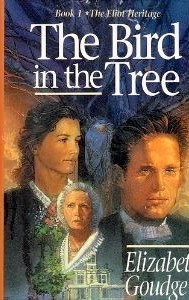
The Bird in the Tree
Book Description
Beneath the sprawling branches of an ancient tree, secrets intertwine with the lives of a small, struggling community. As the townsfolk confront love, betrayal, and the burdens of their past, each character grapples with their own demons, drawing intricate connections that challenge their perceptions of family and friendship. With every whispered conversation and lingering glance, tensions rise, revealing the fragility of human bonds. Hope flickers like a flame, but will it be enough to mend the shattered lives? As the seasons change, can the heart find its way home amid the chaos? What waits in the shadows of the heart?
Quick Book Summary
Set in the English countryside, "The Bird in the Tree" by Elizabeth Goudge weaves a poignant tale of love, sacrifice, and the challenges of family loyalty. Anchored around the ancient symbol of a great tree, the story follows the Eliot family and the guests of Damerosehay, a serene yet emotionally charged estate. Helena, the matriarch, struggles to hold her family together as her beloved daughter-in-law Lucilla arrives, bearing her own share of heartache and longing. When romance blossoms in the heart of conflict, the characters must confront their obligations, faith, and the lingering shadows of the past. Ultimately, Goudge crafts a story of forgiveness and hope, uniting generations through compassion and the enduring strength of selfless love.



Summary of Key Ideas
Table of Contents
The Interplay of Duty and Desire
The story unfolds at Damerosehay, a gracious country house imbued with warmth and a sense of sanctuary. Its matriarch, Lucilla Eliot, seeks to provide a haven for her fractured family and assorted visitors. The symbolism of the bird in the tree encapsulates the longing for safety and stability amid the emotional turbulence faced by the characters. As they gather under the tree’s branches, the estate becomes a heart for healing, reflection, and the rekindling of connections among generations plagued by loss and misunderstanding.
Forgiveness and Redemption
Central to the narrative is the emotional turmoil triggered when David, Lucilla’s adult grandson, falls in love with Nadine, whose marriage and commitments threaten to upend longstanding family dynamics. Helena, who manages Damerosehay with grace, is caught between supporting true love and upholding social expectations. The fraught romance illuminates the age-old battle between personal fulfillment and the needs of the larger family, echoing the universal struggle between duty and desire that defines so many relationships.
Nature as Sanctuary and Symbol
Themes of forgiveness and redemption pulse through every interaction. The characters grapple with past mistakes and broken promises, learning to let go of bitterness and heal old wounds. Goudge threads Christian ideals throughout, inviting her characters to seek grace, not only from each other but from within themselves. Whether reconciling estranged relatives or soothing a child’s anxious heart, acts of compassion ripple outward, gradually stitching together a fractured community.
The Enduring Bonds of Family
Nature emerges as a living presence, embodied in the imagery of the ancient tree and the sanctuary offered by Damerosehay’s grounds. The natural world provides solace, its rhythms mirroring the gradual pace of emotional recovery. Goudge’s evocative descriptions augment the narrative, grounding the characters’ internal dramas in the palpable beauty and tranquility of their surroundings. The tree becomes a silent witness to whispered confessions, acts of bravery, and moments of quiet revelation.
Faith and Resilience in Adversity
As seasons turn and conflicts reach their climax, the Eliot family must make choices that balance loyalty, love, and moral conviction. Through trials and tribulations, they discover reserves of faith and resilience, learning that hope, however fragile, can illuminate even the darkest paths. The novel ends on a note of cautious optimism, with broken hearts set on the path to healing and new beginnings blossoming under the same ancient eaves that have sheltered many lives before.
Download This Summary
Get a free PDF of this summary instantly — no email required.