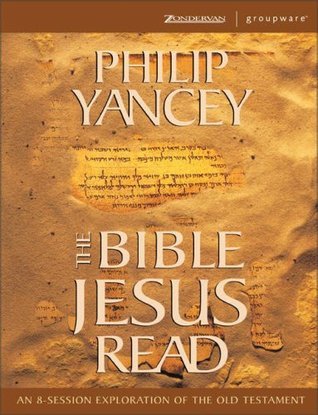
The Bible Jesus Read
Book Description
What if the secrets of faith lie in the pages of an ancient text? In 'The Bible Jesus Read', Philip Yancey embarks on a riveting journey through the Old Testament, uncovering timeless truths that resonate across centuries. Each chapter unveils raw emotions and dramatic struggles, weaving a compelling narrative that confronts doubt, despair, and hope. With vivid insights and powerful revelations, Yancey invites a deeper exploration into the texts that shaped the very essence of belief. As the stories unfold, a haunting question lingers: can we find our own faith in the words that once inspired a revolution?
Quick Book Summary
"The Bible Jesus Read" by Philip Yancey invites readers on a transformative exploration of the Old Testament. Challenging the notion that these ancient Hebrew scriptures are outdated or merely a backdrop to the New Testament, Yancey approaches them as living documents that deeply informed the life and faith of Jesus himself. Through personal reflections, Yancey uncovers the raw emotional depth, honest struggles, and persistent hope found in books like Job, Deuteronomy, Psalms, Ecclesiastes, and prophets such as Jeremiah. By engaging with the Old Testament’s complexities, he demonstrates its relevance and profound spiritual insight for modern believers. Yancey urges readers to grapple with doubts, lamentations, and unresolved questions—just as the writers did—finding room for authentic faith amid uncertainty. Ultimately, the book inspires a richer, more nuanced engagement with scripture, showing how the old texts can shape and sustain faith in every era.



Summary of Key Ideas
Table of Contents
Wrestling with Faith and Doubt
Yancey opens the book by addressing common misconceptions Christians have about the Old Testament, challenging the idea that it is irrelevant or merely a prelude to the New Testament. He recounts his own struggles and questions, setting the tone for a candid exploration. For Jesus and his contemporaries, these scriptures were holy and central, shaping his understanding of God, faith, and life. Yancey encourages readers to approach these texts not just historically but as living documents that pulse with questions and relevance. This perspective invites a deeper appreciation for the spiritual wrestling found in the Hebrew Bible.
The Honesty of Suffering and Lamentation
Delving into books such as Job, Ecclesiastes, and Lamentations, Yancey highlights the Old Testament’s radical honesty about doubt and suffering. Instead of offering easy answers or solutions, these books embrace human questioning and lament before God. Yancey is struck by how the biblical writers express anguish and frustration, yet continue to speak directly to God. The journey through pain and uncertainty is integral to faith, and these stories create a safe space for confronting the hard realities of life—reflecting the same spiritual struggles modern believers might face.
God’s Pursuit and Human Response
The Old Testament is rich with stories of God’s active engagement in human history and the reciprocal human response. Yancey explores narratives like those of Moses, David, and the prophets, showing how God pursues, guides, and sometimes rebukes his people. The prophets, in particular, challenge injustice, call people back to covenant, and voice God’s deep longing for relationship with humanity. Yancey finds in these dramatic interactions both comfort and challenge, encouraging readers to see their own journey with God reflected in the ancient accounts of pursuit, rebellion, and redemption.
Wisdom, Law, and the Complexity of Life
Through the wisdom literature and the Law, Yancey uncovers profound insights into the complexity of life and faith. Passages from Deuteronomy, Psalms, and Proverbs reveal frameworks for living, blessings, and also unresolved questions. The variety of voices—from praise to despair to hungering for justice—demonstrates the multifaceted nature of spiritual life. Yancey shows how these texts promote honesty, humility, and a reverence for mystery, challenging believers to embrace the ambiguities and depth that are intrinsic to true faith.
The Relevance of the Old Testament for Modern Faith
In his conclusion, Yancey urges readers to rediscover the Old Testament as essential for a robust, authentic faith. He emphasizes its ongoing relevance, asserting that the doubts, struggles, laments, and hopes it contains are timeless. The same scriptures that shaped Jesus’ beliefs can challenge modern assumptions and deepen our spiritual journey. Ultimately, Yancey’s journey through the Bible Jesus read models a passionate engagement with scripture, inviting readers to find their own faith rooted in tradition yet alive in today’s questions and experiences.
Download This Summary
Get a free PDF of this summary instantly — no email required.